
AUTO
Maruti Brezza Turbo Costs Less but Skips the Automatic
Maruti’s cheaper, stronger Brezza turbo undercuts its own petrol range on price, but skips the automatic gearbox rivals already offer buyers.

Maruti Suzuki has priced the entry-level 2026 Brezza turbo-petrol at ₹7.40 lakh, undercutting its own naturally aspirated 1.5 litre sibling by roughly ₹90,000 at the base trim. That engine comes one way only: a six-speed manual, with no automatic anywhere in the turbo lineup, across any of the four trims.
Buyers who want a clutch-free Brezza have to step back to the older naturally aspirated engine and pay more for less torque to get it. Hyundai’s Venue and Kia’s Sonet, the Brezza’s closest rivals, already let shoppers pair a turbo engine with an automatic gearbox, which is the gap this pricing structure leaves wide open.
The New Price Ladder
The 2026 Brezza is sold with three distinct powertrains: a new 998cc Boosterjet turbo-petrol producing 110.1 PS and 170 Nm, the familiar 1.5 litre K15C naturally aspirated engine, and a factory-fitted S-CNG setup. All prices below are ex-showroom, Delhi, effective July 24, 2026.
| Powertrain | Entry Price | Top Price | Transmission |
|---|---|---|---|
| Turbo-petrol (998cc) | ₹7,39,900 (LXi) | ₹11,31,500 (ZXi+ dual-tone) | Six-speed manual only |
| 1.5 litre petrol (K15C) | ₹8,29,900 (LXi) | ₹13,70,500 (ZXi+ AT dual-tone) | Six-speed manual or automatic |
| S-CNG | ₹9,29,900 (LXi) | ₹11,65,500 (ZXi dual-tone) | Six-speed manual only |
Every powertrain gets its own ceiling. The 1.5 litre automatic alone reaches the range-topping ₹13.71 lakh figure Maruti Suzuki used in its own headline pricing announcement, a full ₹6.31 lakh above the cheapest way into the car.
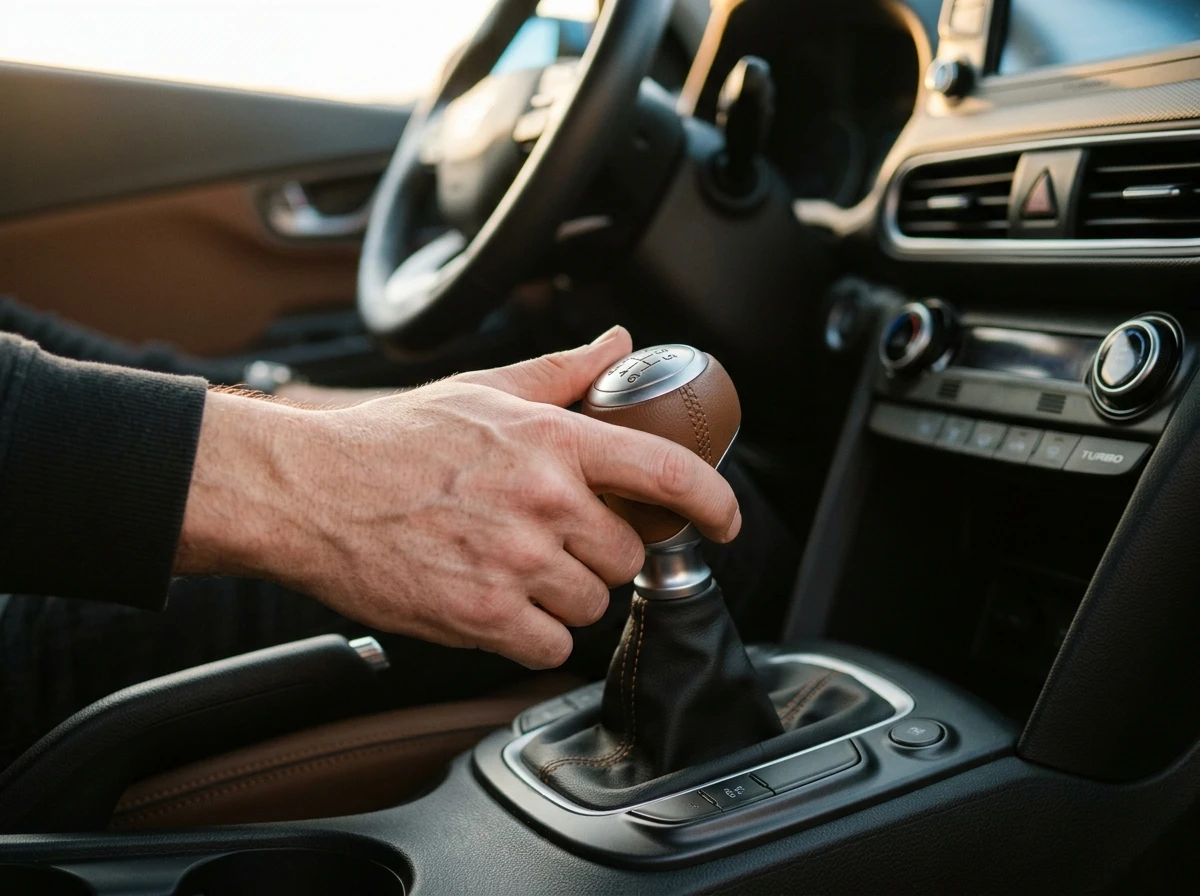
A Manual-Only Engine Undercuts Its Own Showroom Sibling
The undercutting is not a one-off. At LXi, the turbo costs ₹90,000 less than the 1.5 litre manual. At VXi, the gap is ₹71,000. At ZXi, it narrows to ₹65,000, and the turbo still produces what Maruti Suzuki itself describes as substantially more torque.
Only at ZXi+ does the comparison break down, because the 1.5 litre skips manual entirely at that trim and goes automatic-only, at ₹13,54,900. That leaves a ₹2.39 lakh gap over the ZXi+ turbo’s manual price, one buyers pay specifically for the gearbox, not the engine.
- ₹7.40 lakh: starting price of the LXi Turbo, the cheapest 2026 Brezza on sale
- 110.1 PS and 170 Nm: peak output of the 998cc Boosterjet, available only with a manual gearbox
- ₹90,000: the price gap between the LXi Turbo and the LXi 1.5 litre manual
- ₹13.71 lakh: ceiling price of the range-topping ZXi+ automatic
Suzuki is not new to pairing this engine with a clutch pedal-free gearbox. A milder 100 PS, 147.6 Nm tune of the same 998cc Boosterjet already ships in the Fronx, Maruti’s other compact crossover, with a six-speed torque-converter automatic as an option alongside the manual. The hardware clearly exists inside the company. It has simply not been built into the Brezza yet.
The Automatic Tax
Step outside Maruti’s own range and the gap gets sharper. Hyundai’s Venue offers three transmission choices, including a dual-clutch automatic, while Kia’s Sonet pairs its own turbo engine with an automatic gearbox too. Neither rival forces a buyer to choose between power and a clutch pedal the way the Brezza currently does.
| Model | Starting Price | Top Price | Turbo Plus Automatic |
|---|---|---|---|
| Maruti Brezza | ₹7.40 lakh | ₹13.71 lakh | Not offered |
| Hyundai Venue | ₹7.26 lakh | ₹15.69 lakh | Offered (DCT) |
| Kia Sonet | ₹7.30 lakh | ₹15.77 lakh | Offered |
| Tata Nexon | ₹7.40 lakh | ₹14.40 lakh | Turbo-only lineup |
Tata’s Nexon has gone further still. It has dropped its naturally aspirated petrol option entirely, selling only the turbocharged Revotron engine across the range. Maruti has taken the opposite path, keeping both engines alive and using price to steer buyers rather than removing the choice outright.
The subcompact SUV field keeps adding names too. Renault has just revived a rugged SUV with a bold new design, giving compact SUV shoppers yet another option to weigh before settling on a Brezza trim.
An Underbody Tank Rewrites the CNG Trade-Off
The Brezza S-CNG is offered across LXi, VXi and ZXi trims, from ₹9,29,900 to ₹11,65,500. What changes this time is where the tank sits.
Maruti Suzuki has moved the cylinder underbody, rather than mounting it inside the boot the way most factory CNG kits do. Conventional setups eat a large chunk of luggage space; this arrangement is built specifically to preserve it. For a family that runs the car on CNG daily but still needs to load luggage for a weekend trip, that packaging change matters more than the badge on the tailgate.
Four Trims, Different Engine Menus
The Brezza keeps four broad trim levels: LXi, VXi, ZXi and ZXi+. Powertrain access is not uniform across them. Turbo is available on all four. The 1.5 litre manual stops at ZXi. The 1.5 litre automatic runs from VXi through ZXi+. CNG covers LXi, VXi and ZXi only, skipping the flagship entirely.
LXi carries the safety basics as standard: six airbags, electronic stability control, hill-hold assist, ABS, ISOFIX child seat mounts and rear parking sensors, alongside manual air-conditioning and front power windows. VXi adds the equipment most family buyers actually reach for daily, including a seven-inch touchscreen with wireless Android Auto and Apple CarPlay, automatic climate control, rear AC vents, keyless entry and alloy wheels.
ZXi adds LED projector headlamps, a head-up display, a wireless charger, cruise control and a 360-degree camera, plus a blind-spot monitor and tyre-pressure monitoring on turbo variants specifically. ZXi+ tops the range with the widest feature set in the lineup:
- 10.1 inch touchscreen infotainment with Arkamys-tuned audio and Alexa integration
- Ventilated front seats and an electric sunroof
- 360-degree camera and head-up display carried over from ZXi
- Blind-spot monitoring, safe-exit warning and rear cross-traffic alert
- Auto-folding mirrors and walk-away door locking
- Rear fast-charging USB ports and machine-finished alloy wheels
- Suzuki Connect Gen 3.0, with more than 35 connected-car functions including live vehicle tracking and geo-fence alerts
Equipment still varies by the exact engine and transmission a buyer picks within a trim, so the badge on the tailgate does not fully describe what is inside.
The Facelift Sticks to Small Cosmetic Changes
Maruti is not alone in choosing evolution over a ground-up redesign this year. Honda’s own sedan update took a similar route, arriving as a better sedan at the same smart price instead of a fresh platform.
The Brezza keeps its upright, boxy silhouette. Changes are limited to a redesigned grille, a revised front bumper, updated fog-lamp surrounds, silver lower-body trim and new 16-inch alloy wheel designs, along with a reworked rear bumper carrying a larger silver skid plate. Dimensions are unchanged: 3,995 mm long, 1,790 mm wide, 1,685 mm tall, on a 2,500 mm wheelbase, still under the four-metre mark that keeps it in this tax bracket.
Inside, the dashboard layout carries over, but the cabin gets brown leatherette upholstery on higher trims, a redesigned climate control panel, a gloss-black steering wheel insert, a sliding front centre armrest, a cooled glovebox and wing-type rear headrests. It does not change the architecture underneath; all of it is meant to lift how the cabin feels to touch.
All the prices above are introductory, ex-showroom Delhi figures effective from July 24, 2026. Final invoice prices will vary by dealership and state.
Which 2026 Brezza Variant Makes Sense?
Buyers chasing the lowest sticker price land on the ₹7.40 lakh LXi Turbo, which still carries six airbags and stability control despite sitting at the bottom of the range. VXi is likely to remain the default family pick, since it adds the touchscreen, climate control and keyless entry that most owners actually use every day.
ZXi Turbo, at ₹9.85 lakh, pairs the stronger engine with most of the equipment a modern buyer expects, undercutting the ZXi 1.5 litre manual by ₹65,000 in the process. Anyone who specifically wants a torque-converter automatic has no choice but the 1.5 litre engine, since the Boosterjet turbo is not offered with one yet. High-mileage owners have a genuine reason to look at the CNG range now that the underbody tank leaves the boot largely usable.
Frequently Asked Questions
Does the Maruti Brezza turbo come with an automatic option?
No. The 998cc Boosterjet turbo pairs exclusively with a six-speed manual gearbox across all four trims, LXi to ZXi+. Suzuki already builds a six-speed torque-converter automatic version of the same engine family for the Fronx, so the hardware exists, but Maruti has not announced an automatic Brezza turbo or a timeline for one.
How much more does the CNG Brezza cost than the petrol manual?
The entry LXi CNG lists at ₹9,29,900, about ₹1,90,000 more than the LXi Turbo and roughly ₹1,00,000 above the LXi 1.5 litre manual. The gap holds at the top too: ZXi CNG costs ₹11,49,900 against ₹10,49,900 for the ZXi 1.5 manual, a ₹1,00,000 difference for a factory-fitted tank and running costs that undercut petrol by a wide margin over time.
Is the ex-showroom Delhi price the final amount buyers pay?
No. The ₹7.40 lakh to ₹13.71 lakh range Maruti Suzuki published covers ex-showroom Delhi prices only, introductory figures effective from July 24, 2026. Registration, insurance and road tax get added on top, and those vary by state, so the on-road price a buyer actually signs for runs higher than the sticker figure.
How does the Brezza turbo’s price compare with the Hyundai Venue and Kia Sonet?
All four start within about ₹14,000 of each other. Hyundai’s Venue is the cheapest entry point at ₹7.26 lakh, Kia’s Sonet follows at ₹7.30 lakh, and the Brezza turbo and Tata’s turbo-only Nexon both open at ₹7.40 lakh. Where the Brezza falls behind is the automatic gearbox: Venue and Sonet both let buyers pair a turbo engine with an automatic, a combination the Brezza does not yet offer.
Why does the 1.5 litre manual now have six gears instead of five?
Maruti Suzuki replaced the outgoing five-speed manual with a six-speed unit on the 1.5 litre K15C engine for the 2026 update. The extra ratio typically allows a taller top gear, which lowers engine speed on the highway for quieter cruising and can help fuel efficiency, though Maruti has not published separate mileage figures for the revised gearbox yet.

Russia and North Korea Open a Bridge Built for 300 Vehicles

Super El Niño Drought Threatens Amazon Rain and Brazilian Power

Macklemore Told MetLife He Took Sheeran’s Tour to Speak

Indiana Fever Title Odds Slide Despite a Record Offense

UltraTech’s Ultravolt Launch Puts Cable Multiples on Trial

Microsoft Prints Azure’s $29.42 Billion Quarter and Shrinks the Map
UltraTech’s Ultravolt Launch Puts Cable Multiples on Trial

What is a Corpak Feeding Tube: A Comprehensive Guide

How a Tech CEO Manages His Company from the Battlefield

Victoria Beckham shares how she dealt with vulgar chants from football fans
-
 NEWS2 weeks ago
Microsoft Prints Azure’s $29.42 Billion Quarter and Shrinks the Map
-
 BUSINESS2 weeks ago
UltraTech’s Ultravolt Launch Puts Cable Multiples on Trial
-
 NEWS3 years ago
How a Tech CEO Manages His Company from the Battlefield
-
 ENTERTAINMENT3 years ago
Victoria Beckham shares how she dealt with vulgar chants from football fans
-
 LIFESTYLE3 years ago
What is a Corpak Feeding Tube: A Comprehensive Guide
-

 SPORTS3 years ago
Is Ronaldo a Musician? Does Ronaldo Really Own a Song?
-

 LIFESTYLE3 years ago
How Do Home Builders Use Math? The Importance of Numbers in Construction
-

 LIFESTYLE3 years ago
Home-Grown Education: An Insight into Homeschooling