
LIFESTYLE
Kumo Sushi Peachtree Corners All You Can Eat: What to Order
Three tiers and a 90-minute tablet clock shape Kumo Sushi Peachtree Corners all you can eat. Gold runs $35.95, and Diamond adds sashimi plus A5 wagyu at $64.95.

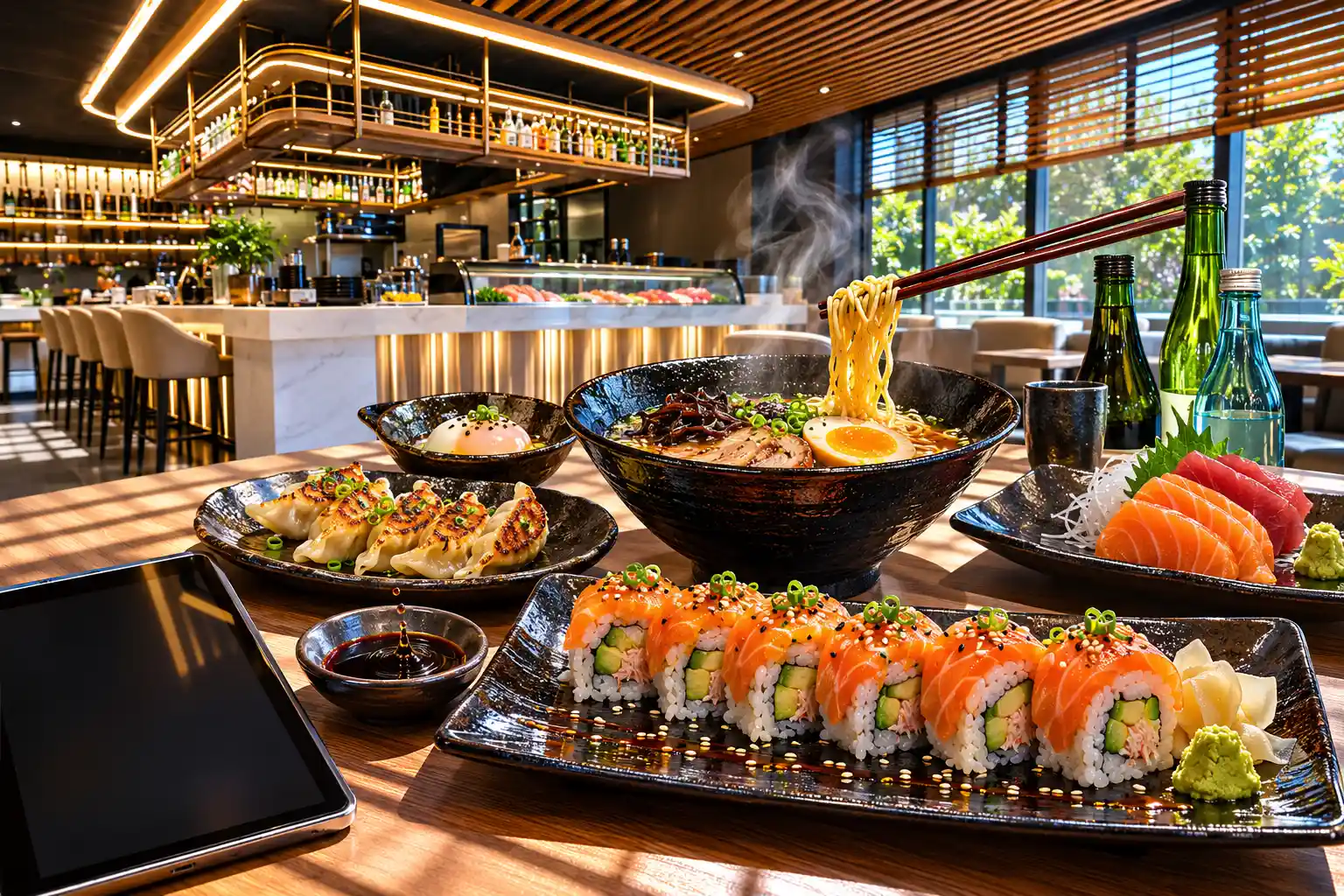
You want to keep ordering sushi in Peachtree Corners without hovering over a buffet. Kumo Sushi Peachtree Corners all you can eat is a sit-down meal built around a tablet on the table. The kitchen makes each plate after you send it, and the tier you pick decides which dishes you can tap.
Silver is the weekday lunch tier, Gold is the seat most tables need, and Diamond is the one that adds sashimi and A5 wagyu. A time limit starts when the first order goes in. If one person chooses all you can eat, the rest of the table is expected to take it too.
The pages below sort the tier prices, the clock, the plates worth the first tap, the people who should stay with cooked food, and the hours to confirm before you drive.
Ordering From the Tablet at Kumo Sushi
The dining room is at 6050 Peachtree Parkway, Suite 500, Peachtree Corners, GA 30092. The restaurant’s own pages list a full bar and outdoor seating, and the Facebook page tells guests to call (770) 802-8855 when they want a reservation. A tablet, which diners also call an iPad, sends each order to the kitchen, and the plate arrives after it is made, which is a different meal from a buffet line you walk yourself.
On February 17, 2026, the City of Peachtree Corners posted that a national food site had placed the restaurant on a list of all-you-can-eat sushi spots in the United States. That notice is about reputation. Your check still depends on the tier, the clock, and whether everyone at the table wanted the same plan.
The card runs past sushi rolls. Soup and salad, kitchen appetizers, sushi appetizers, specialty rolls, ramen, hibachi, fried rice, and dessert all appear, and a separate kids list sits on the a la carte side. The raw-seafood line on the Kumo Sushi pickup and order menu says raw or undercooked seafood can raise the risk of foodborne illness, especially with certain medical conditions, and it asks you to flag allergies before the food is made.
Kumo Sushi Peachtree Corners All You Can Eat Tiers
Posts through September 29, 2026, price the three tiers at the amounts in the table. In an April 30, 2026 post and a September 29, 2026 post, Silver is weekday lunch only, and Gold is available all day. The September post also lists Diamond as available all day and puts the weekday lunch cutoff at 3:30 p.m. A description published on October 27, 2025, instead ended the lunch tier at 3 p.m. and kept Gold to weekday dinner and weekends. Ask which window is open when you sit down, because those two accounts are not the same schedule.
| Tier | One guest | Four guests | What posts say it adds | When 2026 posts offer it |
|---|---|---|---|---|
| Silver | $25.95 | $103.80 | Basic sushi such as a California roll, appetizers, soup, salad, hibachi, and ramen | Weekday lunch |
| Gold | $35.95 | $143.80 | Everything on Silver, plus sushi appetizers, nigiri, and signature rolls | All day |
| Diamond | $64.95 | $259.80 | Everything on Gold, plus sashimi and A5 wagyu, with some posts also naming scallops and sweet shrimp | All day |
The four-guest column is the number to read before you invite a friend who wanted a single roll. Tax, tip, and drinks sit on top of it. Under the table rule diners describe, that friend still takes a full tier, which is an expensive way to be polite.
Gold is the tier with the range most dinners need, because nigiri and the house specialty rolls sit on top of the cooked plates. Diamond earns its seat only when the table will eat sashimi and A5 wagyu inside the time limit. Silver fits a weekday lunch when the appetite is real but not a second dinner. Fish-only pieces show up on Gold, which helps if you want less rice than a long run of maki.
How Does the 90-Minute Clock Work?
90 minutes is the limit diners describe, and a local listing updated on July 31, 2026, describes the same window. It starts when the first order goes in, not when you are seated. On a packed night the gap between rounds grows long enough to use up that window, which is why an early evening or a weekday seat gives you more of the time you paid for. Portions are described as regular restaurant size, not bite-size plates, so the wait is what shortens the meal, not a tiny portion.
HOW TO SPEND THE 90 MINUTES
- The first tap: Send the nigiri, the signature roll, or the sashimi you came for before a second fried appetizer.
- A short pause: Eat that round, then send the next one, so the table is not a pile of untouched fried food while the fish is still in the kitchen.
- The late order: Leave the last tap early enough that a busy pass can still reach you before the window ends.
- The full stop: Stop when you are done, because the value is the food you eat.
A weekday just after noon is the Silver window, as long as lunch is still open, and two people can share gyoza, a shrimp tempura roll, and a chicken hibachi without opening Diamond. A Saturday at 7 p.m. is Gold or Diamond. If one friend does not eat raw fish, Gold still covers hibachi and ramen, and Diamond’s extra price does not buy that friend a plate they will eat.
The other rule changes the bill more than the sticker does. If one person chooses all you can eat, diners report that everyone at the table has to choose it, with no split between the tablet plan and a single a la carte roll. One guest dropped the all-you-can-eat plan and moved the table to hibachi rather than make a lighter eater buy a full tier. Decide before you sit, not after the tablet is already on the table.
Plates Worth Ordering on a First Visit
Signature Rolls People Order Again
The specialty list is long, and the names below are the ones diners single out or the menu spells out in full. Deep-fried specials such as the Volcano roll and the Godzilla roll are on the card too, which matters if you want to keep the first round from turning into a fry order.
- Dragon Roll: Eel and cucumber inside, with avocado and eel sauce on top.
- Rainbow Roll: Crab, cucumber, and avocado inside, with tuna, salmon, yellowtail, and avocado on top.
- Sexy City Roll: Crunchy spicy tuna and spicy yellowtail inside, with salmon, avocado, thin sliced lemon, masago, and the chef’s sauce on top.
- Spider Roll: Soft shell crab with cucumber and avocado.
- Yellowtail jalapeño: A sushi appetizer diners order more than once, including on visits where wagyu nigiri was also available.
- Wagyu Roll: Lobster tempura, cream cheese, and avocado inside, with A5 wagyu, scallion, tobiko, and the chef’s sauce on top.
Hibachi, Ramen, and Cooked Plates
The Kumo House Special ramen is pork broth with garlic oil, chashu pork, beef, chicken, corn, bamboo shoot, nori, kikurage (wood ear mushroom), naruto fish cake, a seasoned egg, and scallion. Hibachi plates, including chicken, steak, vegetable, and the house mix of shrimp, beef, and chicken, come with soup or salad, vegetables, and white rice. The menu lists a fried-rice swap for $2.
Cooked rolls give you a full meal without sashimi. Shrimp tempura, chicken tempura, vegetable, and sweet potato rolls sit alongside edamame, age tofu, vegetable or pork gyoza, spring rolls, chicken yakitori, and crab rangoon. A panko-fried oyster is one of the appetizers diners praise when they talk about the cooked side. Silver already includes hibachi and ramen, so a lunch visit can stay on that tier and still leave the raw bar alone.
A FIRST GOLD ROUND
- Open with fish: Yellowtail jalapeño, then a Sexy City roll or a Rainbow roll.
- Add nigiri: A small set of salmon and shrimp, which keeps rice from taking the whole first plate.
- Then cook: House ramen or chicken hibachi if you are still hungry, rather than a third fried appetizer.
Crab rangoon, rock shrimp, calamari, and takoyaki are easy to like and easy to fill up on. Leave them for a later tap if the roll you came for has not arrived yet. One birthday table learned that the hard way after a long run of fried rolls and left with no interest in another all-you-can-eat night.
Sashimi and A5 Wagyu on Diamond
Posts that spell out Diamond put sashimi on top of the Gold menu, plus A5 wagyu. Some of those posts also name scallops and sweet shrimp as premium pieces. That is a short list of examples, not a promise that every premium nigiri on the a la carte card is inside the tier.
- Sashimi: The raw slices without rice, which is the main reason to pay for Diamond.
- A5 wagyu: Named on the Diamond tier, and also the topping on the Wagyu roll on the regular menu.
- Ask first: Confirm the Wagyu roll is on the Diamond tablet before you plan the night around it.
Diners who mention the fish talk about yellowtail, tuna, and salmon tasting fresh, and about regular-size pieces rather than a pile of rice. If nobody at the table wants those slices, stay on Gold and spend the clock on rolls, nigiri, and a hot plate.
Who Should Skip Raw Fish at Kumo Sushi?
The safest seafood is cooked through. Most seafood should reach an internal temperature of 145°F, and fish is done when the flesh is clear and separates easily with a fork, which is the cook standard in the FDA guide to selecting seafood safely. Freezing can kill parasites in fish served raw. The same guide says freezing does not kill all harmful germs, so cooking is the safer route.
WHO SHOULD ORDER COOKED PLATES
- Pregnancy: Skip raw or undercooked fish and shellfish, including sashimi, and skip refrigerated smoked fish unless it is cooked into a dish. A Philadelphia roll, made with smoked salmon, cream cheese, and cucumber, sits on that smoked-fish side.
- Children: Do not hand a child a piece of raw sushi to try. The a la carte kids list has cooked plates instead.
- Older adults: The same raw-fish warning applies, because this group is more likely to have a longer illness or a hospital stay.
- Weakened immunity: Transplant patients and people with HIV, cancer, or diabetes are in the group told to avoid raw seafood.
You do not hold the kitchen thermometer from your seat. If you are in one of those groups, order hibachi, ramen, tempura rolls, edamame, tofu, and vegetable plates, and say so before the first tap. Spicy tuna and crunchy rolls can hide raw fish under sauce. If vomiting, diarrhea, or strong stomach pain starts after the meal, contact a healthcare provider. Fever, headache, and body ache are on the same symptom list.
Dining Room Hours and the Phone Number
DINING ROOM HOURS
- Monday to Thursday: 11:30 a.m. to 10 p.m.
- Friday: 11:30 a.m. to 10:30 p.m.
- Saturday: noon to 10:30 p.m.
- Sunday: noon to 10 p.m.
Those dining-room hours match one another across directory listings, including a page updated on September 18, 2026. They are not the same as the pickup day on the restaurant’s order site. Call (770) 802-8855 before you leave, especially for a weekend night or a group, and ask which all-you-can-eat tiers are open. Visitors mention free parking at the Peachtree Parkway address.
PICKUP HOURS ON THE ORDER SITE
- Monday to Thursday: 11 a.m. to 9:30 p.m.
- Friday: 11 a.m. to 10 p.m.
- Saturday: 11:30 a.m. to 10 p.m.
- Sunday: 11:30 a.m. to 9:30 p.m.
Pickup is the regular menu, not the tablet plan you use in the dining room. If the two clocks disagree on a given night, the phone is the one that matches the door you are about to walk through.
Frequently Asked Questions
Are Drinks Included in the All You Can Eat Price?
No. The tier posts list food, not cocktails, beer, sake, or wine. The dining room has a full bar, and diners talk about drinks such as a lemon drop as something they ordered with the meal, so the drink lands as its own line on the check.
Can You Take the All You Can Eat Menu Home?
The all-you-can-eat meal diners describe is the tablet service at the table. Pickup is a separate menu of regular dishes. If you bring seafood home from that pickup order, the USDA advice on keeping seafood cold says to refrigerate raw fish and shellfish at 40°F or below and to cook or freeze it within one or two days, and not to leave perishable seafood out for hours.
Is There a Kids All You Can Eat Price?
No kids all-you-can-eat price is printed beside the Silver, Gold, and Diamond rates in the tier posts. The a la carte menu does list cooked kids plates, including chicken nuggets with fries, a kids hibachi chicken, and a kids ramen. Ask whether a child can order those beside an adult tier, because a child who will not eat raw fish should not be pushed onto Diamond.
How Soon Can Foodborne Illness Start After Raw Fish?
Contact a healthcare provider if vomiting, diarrhea, stomach pain, fever, headache, or body aches start after the meal. The FDA places the common window at 1 to 3 days, with illness also possible from 20 minutes after the meal out to 6 weeks, so a late symptom still belongs in that call.
What Fish Should Pregnant Diners Avoid Even When Cooked?
Skip king mackerel, marlin, orange roughy, shark, swordfish, tilefish from the Gulf of Mexico, and bigeye tuna, even when the kitchen cooks them through. Those are the seven high-mercury fish the FDA tells people who are pregnant or breastfeeding, and young children, to avoid, while salmon, shrimp, and other lower-mercury fish are the ones it points them toward for regular meals.
Pick the tier everyone at the table will actually eat, send the fish or the cooked plate you care about on the first tap, and leave the fried extras for a later round if you still have room. A call before you go is how you learn which cutoff the house is using that day.
Disclaimer: This page is an educational guide to dining at Kumo Sushi in Peachtree Corners and to general seafood safety. It is informational only and is not medical, dietary, or food-safety advice for your own health. Talk with a qualified clinician before you eat raw fish if you are pregnant, feeding a young child, older, or living with a weakened immune system, and ask the restaurant about allergies and the day’s menu rules before you order. Prices, hours, and tier windows reflect the sources reviewed for this guide and can change.

Greed Held After a $697 Million Crypto Long Flush

Fed Minutes Keep a Year-End Rate Hike Alive

A Nanny-Cam Tape Follows Tyreek Hill Into Free Agency

Star Wars Galactic Racer Makes a Crash End the Tour

Amazon Puts Apple’s June MacBook Prices Back on Sale

Georgia Beach Bacteria List Leaves Swim Areas Open

Sophia Wootten Turns the Miss Georgia Crown Toward Cleft Care

The iPhone 16 Pro Flipkart Cut Did Not Last

IXI Autofocus Glasses Still Lack a European CE Mark

Microsoft Prints Azure’s $29.42 Billion Quarter and Shrinks the Map
-
 NEWS5 months ago
Georgia Beach Bacteria List Leaves Swim Areas Open
-
 ENTERTAINMENT5 months ago
Sophia Wootten Turns the Miss Georgia Crown Toward Cleft Care
-
 NEWS10 months ago
IXI Autofocus Glasses Still Lack a European CE Mark
-
 NEWS1 year ago
The iPhone 16 Pro Flipkart Cut Did Not Last
-

 BUSINESS2 months ago
UltraTech’s Ultravolt Launch Puts Cable Multiples on Trial
-
 NEWS2 months ago
Microsoft Prints Azure’s $29.42 Billion Quarter and Shrinks the Map
-

 NEWS2 years ago
Capyfriends Cafe Routes Helen Tourists to Cleveland Capybaras
-

 NEWS4 months ago
Little St. Simons Island Hatches Loggerheads at 72.4 Percent