
NEWS
New Forest Park Parkway Pedestrian Bridge to Be Built

Washington University in St. Louis is embarking on an exciting project to replace the Forest Park Parkway bridge, enhancing safety and accessibility for pedestrians and cyclists. The current bridge, part of the Centennial Greenway, has limitations that make it challenging for users to share the narrow space. Here’s what you need to know about this upcoming transformation:
Project Overview
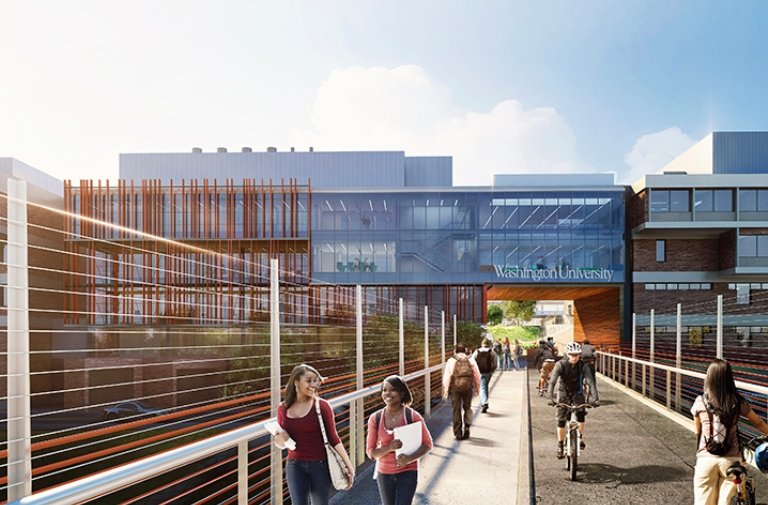
The new Forest Park Parkway bridge will be wider, safer, and more accessible. It aims to accommodate both pedestrians and cyclists effectively. Demolition work on the existing bridge is set to begin on Monday, May 21, with the new bridge scheduled to open in October.
Key Features of the New Bridge
- Wider Design: The new bridge will be twice as wide as the current one, allowing for separate paths for pedestrians and cyclists. This change ensures a smoother experience for all users.
- Safety Measures for Cyclists: Northbound cyclists will exit the bridge via a switchback ramp designed to slow their descent. Additionally, cyclists can use bicycle troughs along the stairs north of Bryan Hall to access Throop Drive.
- Improved Accessibility: Those with accessibility needs or strollers will find it easier and safer to negotiate the new bridge. The campus’ northern gateway will benefit from this enhanced connection point.
Construction Details
During construction, pedestrians will be directed to cross Forest Park Parkway at Skinker or Big Bend boulevards. Cyclists should take University Drive west to Big Bend Boulevard and then travel south to Forsyth Boulevard. Although there may be inconveniences during construction, the long-term benefits will make this entrance one of the most-traveled and memorable connections to the Danforth Campus.
The Forest Park Parkway pedestrian bridge project represents a significant investment in safety, accessibility, and aesthetics. As the most traveled section of the Great Rivers Greenway system, this new bridge will serve as a vital gateway to Washington University’s campus.

Washington Turns Canadian Whisky and Bikes Away at the Border

Russia and North Korea Open a Bridge Built for 300 Vehicles

Super El Niño Drought Threatens Amazon Rain and Brazilian Power

Macklemore Told MetLife He Took Sheeran’s Tour to Speak

Indiana Fever Title Odds Slide Despite a Record Offense

Microsoft Prints Azure’s $29.42 Billion Quarter and Shrinks the Map

UltraTech’s Ultravolt Launch Puts Cable Multiples on Trial

What is a Corpak Feeding Tube: A Comprehensive Guide

Candere Names Smriti Mandhana Brand Ambassador Alongside Shah Rukh Khan

audax: A New Digital Banking Technology Solution by SC Ventures
-
 NEWS2 weeks ago
Microsoft Prints Azure’s $29.42 Billion Quarter and Shrinks the Map
-
 BUSINESS2 weeks ago
UltraTech’s Ultravolt Launch Puts Cable Multiples on Trial
-
 BUSINESS3 months ago
Candere Names Smriti Mandhana Brand Ambassador Alongside Shah Rukh Khan
-
 LIFESTYLE3 years ago
What is a Corpak Feeding Tube: A Comprehensive Guide
-
 NEWS3 years ago
audax: A New Digital Banking Technology Solution by SC Ventures
-
 NEWS2 months ago
Sea Turtle Nesting Is Underway Along Georgia’s Coast
-

 NEWS3 years ago
How a Tech CEO Manages His Company from the Battlefield
-

 ENTERTAINMENT3 years ago
Victoria Beckham shares how she dealt with vulgar chants from football fans