A fresh OnePlus 16 design leak, credited to tipster Digital Chat Station, shows the phone keeping the OnePlus 15’s square camera bump and 6.78 inch screen almost untouched. Launch is pegged for October, in China only. The phone will not reach North America or Europe, and a separate tip says India could be next.
The bigger news broke earlier this month, when Oppo confirmed it was pulling OnePlus out of two continents and folding its software into ColorOS. The phone leaking now is the first flagship shaped entirely by that decision.
A Square Camera Bump, Carried Over Again
Digital Chat Station said the OnePlus 16’s overall design direction has not changed from the OnePlus 15, in comments reported by Android Authority. The screen stays at 6.78 inches with what the tipster called ultra narrow bezels. The rear camera keeps its small, square module rather than reverting to the circular bump OnePlus used on phones before the 15.
That continuity is not a complaint. The OnePlus 15 already broke from years of circular camera housings, and Digital Chat Station’s post suggests OnePlus sees no reason to redesign a shape it just introduced. The tipster also pushed the launch window back a month from an earlier estimate, now pointing to October, which would match the OnePlus 15’s own October debut in China.
Here is how the rumored OnePlus 16 lines up against the OnePlus 15 already on sale.
| Spec | OnePlus 15 (confirmed) | OnePlus 16 (rumored) |
|---|---|---|
| Display | 6.78 inch 1.5K BOE LTPO panel, 165Hz, 1800 nits | 6.78 inch, ultra narrow bezels, similar panel expected |
| Chipset | Snapdragon 8 Elite Gen 5 | Snapdragon 8 Elite Gen 6 Pro, per earlier leaks |
| Rear camera | Square module, 50MP triple array with periscope telephoto | Square module retained, 200MP telephoto tipped |
| Battery | 7,300mAh, 120W wired charging | 9,000mAh, per earlier leaks |
| Launch markets | China first, then global including the US, Europe and India | China only planned; US and Europe confirmed out, India in doubt |
The hardware barely moves. The map around it has been redrawn completely.
Why Oppo Pulled the Plug on Two Continents
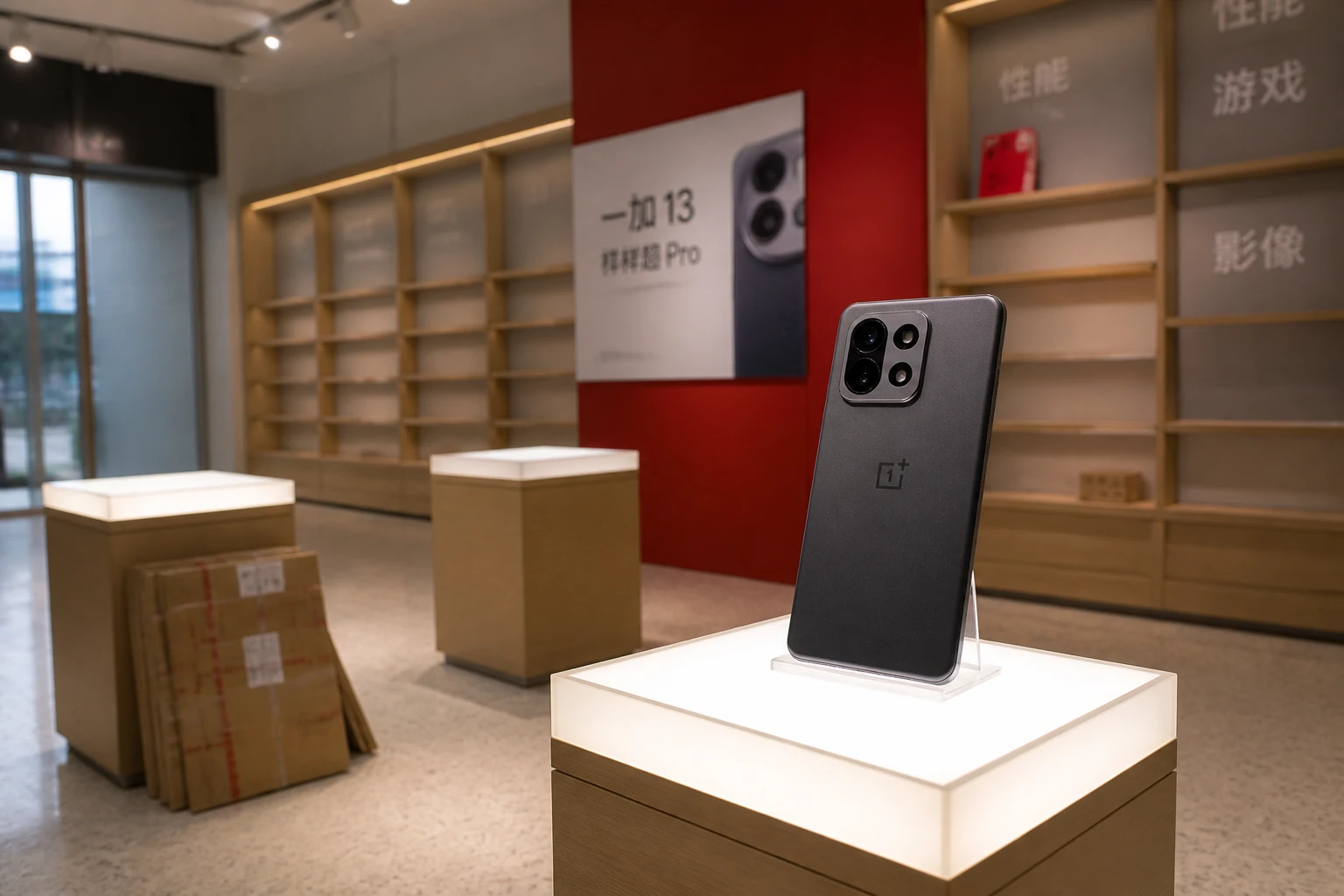
OnePlus and Oppo confirmed the withdrawal from North America and Europe earlier this month, ending months of rumors about the brand’s fate. The two companies issued a joint statement, reported by Android Central and other outlets.
After careful assessment, OnePlus will no longer launch new products in Europe and North America. All users’ rights and interests, including after sales support and software updates, will remain fully guaranteed.
No new OnePlus phones, tablets or wearables will launch in either region. Existing retail stock keeps selling until it runs out, with no plans to restock. The companies called it a strategic focus without spelling out what comes next elsewhere.
The move folds into a wider restructuring pulling OnePlus and Realme under Oppo’s roof, confirmed on July 16. Oppo is reshaping three brands at once, not adjusting one product line.
What Memory Chips Now Cost
Oppo has not put a dollar figure on what the retreat saves. Industry wide numbers explain why the math stopped working outside OnePlus’s core markets.
- Mobile DRAM prices have climbed close to 70 percent since early 2025, with LPDDR5X chips up 78 to 83 percent or more in the second quarter of 2026.
- NAND flash storage prices spiked more than 90 percent over the same stretch.
- Memory components made up nearly 60 percent of the total parts cost on phones priced under 400 dollars in the first quarter of 2026.
- Jefferies Equity Research projects DRAM and NAND prices climbing another 40 to 50 percent quarter on quarter in the third quarter of 2026.
Analysts at Omdia expect shipments of phones priced under 400 dollars to fall 22 percent this year. OnePlus’s flagship line sits above that price band, but Oppo now manages OnePlus, Realme and its own budget phones under one balance sheet, and cheaper devices absorb the squeeze hardest.
The research firm TrendForce has already revised its 2026 smartphone and notebook shipment outlook downward because of the price surge. IDC’s own analysis calls it a global memory shortage crisis reshaping hardware markets well beyond phones.
India Goes From Core Market to Question Mark
OnePlus’s July statement named only North America and Europe. It said nothing about India, the brand’s second home market after China.
Tipster Yogesh Brar complicated that picture, saying the OnePlus 16 and Vivo’s iQOO 16 are both dead on arrival in the Indian market. That claim spans two unrelated parent companies, which points to pressure across India’s premium Android segment generally, not just inside Oppo’s realignment. Oppo’s own Find X10 Ultra is tipped to skip India too.
- What we know: OnePlus’s official July statement covered only North America and Europe, and described the India business as unaffected at the time. Realme is suspending China updates to refocus on Europe and Southeast Asia.
- What’s unconfirmed: Whether the numbered OnePlus flagship series will retail in India going forward, and whether a full China and India wind down by 2027, reported elsewhere, is accurate. OnePlus has not confirmed that timeline.
The claims naming the OnePlus 16 and iQOO 16 specifically also stop short of touching OnePlus’s cheaper Nord lineup in India, at least so far.
OxygenOS Dies With the Western Exit
The clearest sign of how far this goes is software, not hardware. OxygenOS, the interface OnePlus built its identity on for over a decade, is being retired. Future OnePlus phones will run Oppo’s ColorOS instead.
OnePlus once sold itself as the company that would not settle, an invite only startup undercutting Samsung and Apple on price while matching their specs. That version of the company faded years ago as OnePlus climbed upmarket. Losing its own software layer closes the loop.
Who Benefits From OnePlus’s Retreat?
Samsung stands to gain the most directly, picking up flagship buyers in Europe and North America who no longer have a OnePlus option. Nothing is chasing the same buyers with a similar pitch. Inside China, Xiaomi and Vivo absorb whatever share OnePlus fails to defend at home.
Nothing, the London startup founded by former OnePlus co-founder Carl Pei, built its identity on being the spiritual successor to OnePlus’s old flagship-killer pitch. That pitch gets easier to sell the moment OnePlus stops competing in the same stores, a shift already visible in the lane OnePlus is clearing in Europe.
Realme, OnePlus’s sister brand under the same Oppo umbrella, is making the opposite trade at the same time. It is suspending product updates inside China to chase buyers in Northern Europe and Southeast Asia, the two kinds of regions OnePlus just walked away from in reverse.
Frequently Asked Questions
Will the OnePlus 16 launch in the US or Europe?
No new OnePlus hardware, including the 16, will launch in North America or Europe under the plan Oppo and OnePlus confirmed this month. Existing OnePlus phones, tablets and wearables already sold there keep after sales support and software updates, and remaining retail stock sells through with no restocking.
Is the OnePlus 16 coming to India?
It is unclear. OnePlus’s own statement did not mention India and described that business as unaffected, but tipster Yogesh Brar has since said the OnePlus 16 is dead on arrival there, and other reports point to a fuller China and India wind down for the brand by 2027.
Why are memory chip prices rising in 2026?
Coverage of the shortage points to AI data center demand pulling DRAM and NAND production toward server grade chips, tightening supply for mobile grade memory at the same time phone makers need it. Mobile DRAM prices are up close to 70 percent since early 2025, with NAND flash spiking more than 90 percent.
When did OnePlus first launch in the United States?
OnePlus entered the US market in 2014 with its first phone, the OnePlus One, sold through an invite system before it built a wider retail and carrier presence over the following decade. That run ends with this year’s exit.
What is ColorOS, and why does it matter for OnePlus users?
ColorOS is Oppo’s own Android interface, already running on Oppo and Realme phones worldwide. OnePlus built OxygenOS separately for years specifically to feel lighter and closer to stock Android, so folding it into ColorOS means existing owners eventually see a different interface arrive through software updates, though neither company has given a firm timeline.