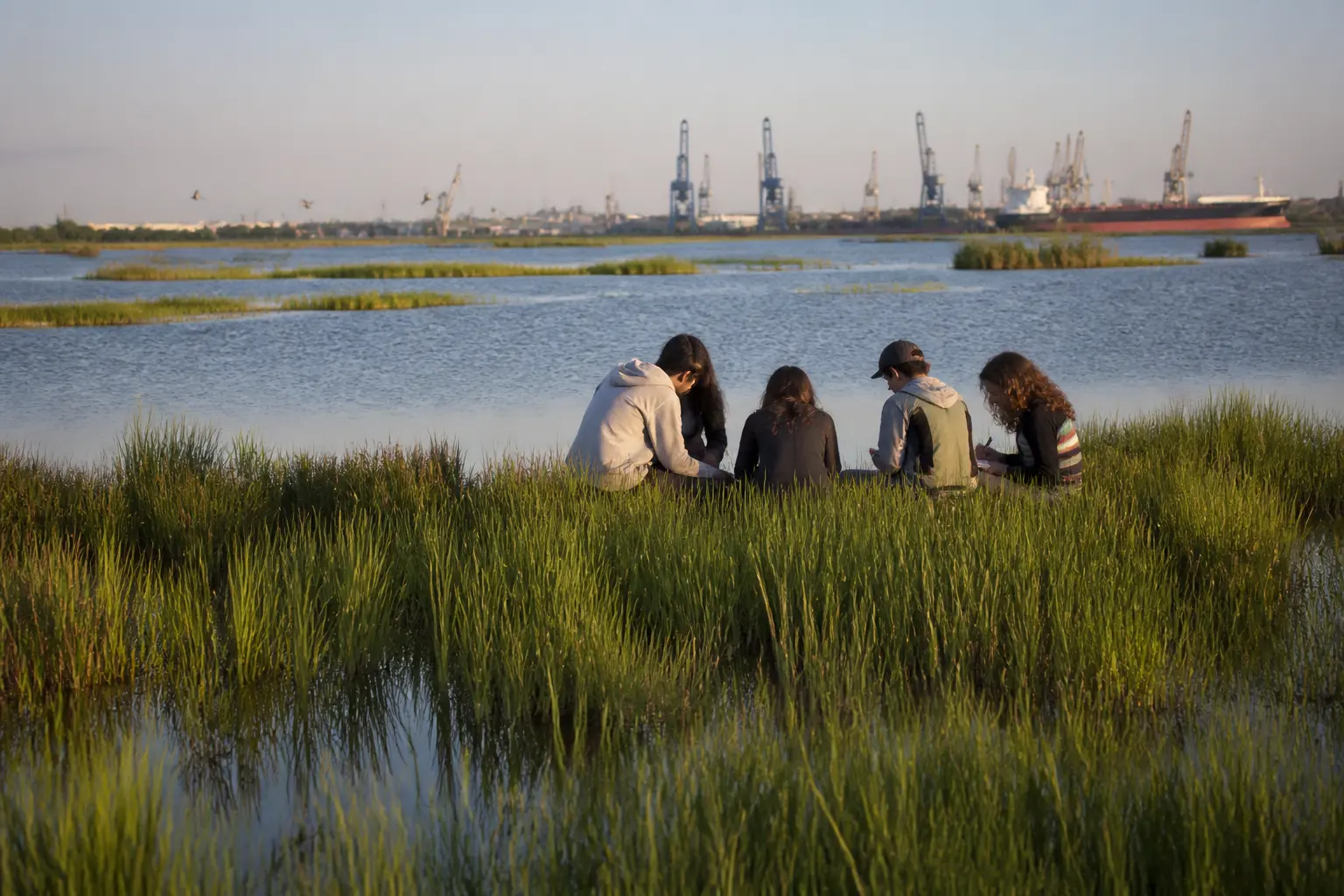
Thirty teenagers from the Georgian municipalities of Khobi and Poti spent three days this month training to design and pitch local climate projects. The camp, called Green Champions, is funded by Denmark and run by the United Nations Development Program (UNDP). It is the newest round of a four-year, $10.8 million push to green two towns that rarely make national headlines.
Georgia’s government has spent the same stretch freezing bank accounts of foreign-funded civic groups and shelving its European Union membership bid until 2028. The Danish money keeps arriving anyway, and it keeps growing.
A Three-Day Camp Built Around Real Green Jobs
The camp ran across Khobi and Poti, two municipalities on Georgia’s western, Black Sea side of the country. Organizers designed it for school students and paired them with teachers who would later mentor them once the camp ended.
Sessions covered practical ground: how waste gets sorted and reused, what a circular economy looks like at the municipal level, and which professions are likely to grow as the green economy expands. Students also worked through the softer skills that turn an idea into a funded project.
- Waste management and the circular economy
- Sustainable fashion
- Green entrepreneurship
- Leadership, communication and teamwork
- Project design
- Careers expected to grow in the green economy
Up to 20 teachers from 10 schools joined too. UNDP designed their track separately, training them to guide students after the camp ends, when ideas have to survive contact with budgets, permits and municipal officials.
Denmark Foots a $10.8 Million Bill
Green Champions sits inside a bigger project called Greening the Future, funded entirely by the Government of Denmark and a four year push worth $10.8 million across two countries. UNDP implements it in Georgia and Moldova, running from 2024 through 2027.
The regional total splits by country and by shared work between them, coordinated through the UNDP Istanbul Regional Hub alongside Denmark’s foreign ministry and UNDP’s own country offices in Tbilisi and Chisinau.
| Funding Stream | Allocation |
|---|---|
| Georgia | $4.29 million |
| Moldova | $4.27 million |
| Regional cooperation | $2.2 million |
| Total, 2024 to 2027 | $10.8 million |
None of that money runs through Brussels. It is bilateral, arriving straight from Copenhagen to a country whose own EU membership file is currently gathering dust.
A Suspended EU Bid Meets a New Law on Foreign Funding
Georgia won EU candidate status in December 2023, applying alongside Ukraine and Moldova after Russia’s 2022 invasion of Ukraine. The mood has soured since. Georgian Dream, the ruling party, won a disputed parliamentary election in October 2024, and Prime Minister Irakli Kobakhidze then announced Georgia would suspend its own accession talks until 2028. Daily protests followed and have not stopped.
The European Commission’s own 2025 assessment did not soften the picture. Its enlargement report called Georgia a candidate country in name only, and October 2025 local elections were widely viewed by observers as a sham.
Parliament also passed a Foreign Agents Registration Act in April 2025, modeled loosely on the American FARA statute, which took legal effect that June. It defines political activity broadly enough to cover advocacy, published reports and monitoring of state institutions when foreign funding is involved. Through 2025, authorities froze the bank accounts of several civil society groups and, by August, seven more organizations had their accounts frozen amid a sabotage investigation, with Georgia’s Anti-Corruption Bureau demanding some register as foreign agents or face criminal liability. Human Rights Watch and other monitors say the pattern echoes tactics Russia has used to squeeze independent groups. Neither UNDP nor its Georgian partner on this project has been named in any such action; UN agencies typically operate under separate intergovernmental agreements with host governments, distinct from the domestic groups the law targets.
Tbilisi has hedged its bets elsewhere, too. Earlier this year it turned back Armenian roses fleeing Russia’s export ban, a small but telling sign of how carefully the government treats its northern neighbor.
- December 2023: Georgia wins EU candidate status alongside Ukraine and Moldova.
- 2024: Greening the Future launches in Georgia and Moldova with Danish funding.
- November 2024: Kobakhidze suspends EU accession talks until 2028; daily protests begin.
- June 2025: Georgia’s Foreign Agents Registration Act takes legal effect.
- August 2025: Seven more civil society groups have bank accounts frozen under a sabotage probe.
- October 2025: Local elections are held that many observers call a sham.
- July 2026: Thirty students and 20 teachers complete the Green Champions camp in Khobi and Poti.
Why Khobi and Poti, of All Places
The project deliberately avoids Tbilisi. Its stated goal is cutting regional disparities by putting money into municipalities outside Georgia’s major urban centers, then building a model that other regions could copy later.
Poti is a Black Sea port city, and UNDP has already partnered with local vocational colleges there to teach skills the port’s own employers say they need. Khobi, smaller and inland from it, has hosted community projects ranging from youth environmental education to new e-waste collection systems.
This was not the first cohort. UNDP has said the wider youth track under Greening the Future had already trained and mentored 40 young people and helped shape 17 green business concepts since 2025, some of them funded through a linked Green Startup Idea Lab. The implementing partner on the ground, a Georgian nonprofit called WEG (World Experience for Georgia), works alongside UNDP Georgia, with the Embassy of Denmark in Georgia covering the costs directly.
What Happens to the Ten Winning Projects?
Winning teams get months of mentorship and hands on help turning a camp idea into a running project in their own municipality. Up to 10 initiatives will be chosen through a competitive process after students spend the coming months refining what they pitched at camp, and the support does not stop at a certificate.
Participants now have until the submission window closes to develop their proposals further. UNDP has already opened applications for students aged 14 to 17 beyond this camp’s original 30, widening the pool of Khobi and Poti students who can compete. A separate, related grant contest for Khobi and Poti innovators runs alongside it, funding ideas that do not fit neatly inside the student track.
A Grassroots Bet That Outlasts Tbilisi’s Politics
Greening the Future was never only about summer camps. Its broader mandate covers energy efficiency, renewable energy, sustainable mobility, circular economy practices and nature-based solutions, aimed at pulling businesses, civil society groups and ordinary residents into local climate decisions they used to have no say in.
The goals are concrete: more investment in green businesses, lower carbon emissions, new jobs built on green skills, and a bigger voice for citizens in municipalities that Tbilisi’s politics rarely reach. Georgia’s government, meanwhile, has been busy elsewhere, including welcoming a new Tbilisi-Shanghai route that landed 98% full, a sign of where else Tbilisi is placing its diplomatic energy.
Denmark’s bet, in effect, is that municipal-level climate leadership can keep building even while the national relationship between Tbilisi and Brussels sits frozen. The project runs through 2027, with organizers describing Khobi and Poti as a test case they hope to replicate in other Georgian municipalities once it proves out.
Frequently Asked Questions About the Green Champions Program
What is UNDP’s Greening the Future project?
Greening the Future is the umbrella project behind the Green Champions camp: a four-year initiative funded by Denmark and coordinated by the UNDP Istanbul Regional Hub alongside UNDP’s Georgia and Moldova country offices. It funds environmental governance, green jobs and inclusive local development work in both countries through 2027.
Who can join the Green Champions program?
Eligibility runs to school students aged 14 to 17 and their teachers in Khobi and Poti. Beyond this camp’s 30 participants, UNDP has opened a separate call for applications so more students in the two municipalities can compete for mentorship and project funding in the next round.
Has Georgia’s foreign agents law affected any Western-funded groups?
Yes. Authorities froze the bank accounts of several civil society organizations during 2025, including groups named in a criminal sabotage investigation, and Georgia’s Anti-Corruption Bureau sent registration demands to seven nongovernmental groups under the new law. UNDP and WEG have not been named in any such action.
Is Georgia still on track to join the European Union?
Not currently. Georgia won EU candidate status in December 2023, but Prime Minister Irakli Kobakhidze announced in November 2024 that accession talks would be suspended until 2028, and the European Commission’s 2025 report described Georgia as a candidate country in name only.