Oil prices plunged more than 5% in early Asian trade Monday as the U.S. and Iran both halted strikes after a two week escalation that had pushed Brent above $100 a barrel. WTI crude fell to $84.47, down 5.39%, while Brent slid 5.15% to $91.80.
This is the second time since February that a ceasefire signal has erased that much value overnight. The first one did not hold.
Traders Rush for the Exits as Washington and Tehran Stand Down
Washington signaled Friday that it would temporarily pause its bombing campaign against Iran, giving oil traders their first real reason in two weeks to sell rather than buy.
Giving diplomacy some space.
Mike Waltz, the U.S. ambassador to the United Nations, used that phrase on CBS’s Face the Nation Sunday to describe the pause. He added that additional military assets were still moving into the region in case diplomacy fails, a hedge that kept the rally in check even as prices fell.
Iran signaled a matching stand down. Esmaeil Baghaei, the spokesperson for Iran’s foreign ministry, said talks with an Omani delegation on Friday and Saturday were “constructive” and that some progress had been made on managing safe passage through the Strait of Hormuz. An Iranian official, speaking to Reuters on condition of anonymity, described Tehran’s position more bluntly: attack for attack, meaning strikes stay paused only as long as Washington’s do.
A Ceasefire Chart Investors Have Seen Before
Oil traders have run this exact play once already this year. The shape is becoming familiar enough to chart.
- February 28, 2026: Iran launches retaliatory missile and drone strikes on U.S. targets and oil infrastructure across the Middle East, opening the war.
- April 7 to 8, 2026: The U.S., Iran and Israel agree to a ceasefire after more than five weeks of fighting, and crude craters in a single session.
- Mid-June 2026: Gasoline eases off its post-war peak as the truce holds and shipping inventories stabilize.
- Around July 20, 2026: The truce unravels, strikes resume, and gasoline snaps back above $4 a gallon within days.
- July 24 to 26, 2026: The U.S. pauses strikes for a second stretch while Iranian and Omani deputy foreign ministers meet in Tehran.
- July 27, 2026: Oil plunges 5% as both sides signal they will extend the standdown.
Five months in, the market has now priced the same headline twice.
Why Did April’s Truce Fall Apart?
The April 8 ceasefire held for about ten weeks without a comprehensive deal behind it. Attacks resumed in mid-July, gasoline snapped back above $4 a gallon within days, and Brent climbed back past $100, erasing three months of price relief in under two weeks.
Monday’s rout leaves Brent at $91.80, within a few dollars of the $92.30 it hit the day the April ceasefire was first announced. Whatever happened in between, the collapse, the resumed strikes, the surge back above $100, amounted to a round trip. Asia’s biggest oil importers absorbed the worst of that collapse, since their tankers carry the longest routes through the strait and the least room to reroute.
| Episode | Dates | Brent Move | WTI Move | How It Held Up |
|---|---|---|---|---|
| April Ceasefire | April 7 to 8, 2026 | Down 15.9% to $92.30 | Down 16.5% to $93.80 | Lasted roughly ten weeks, no comprehensive deal |
| July Pause | July 24 to 27, 2026 | Down 5.15% to $91.80 | Down 5.39% to $84.47 | Explicitly conditional, tied to daily reciprocity |
Insurance markets had already lived through their own version of this cycle by spring. War risk premiums eased off their highs but stayed elevated through the Persian Gulf even before this month’s fighting reopened the wound, S&P Global Commodity Insights found in March.
Hormuz Insurance Bills Stay Sky High
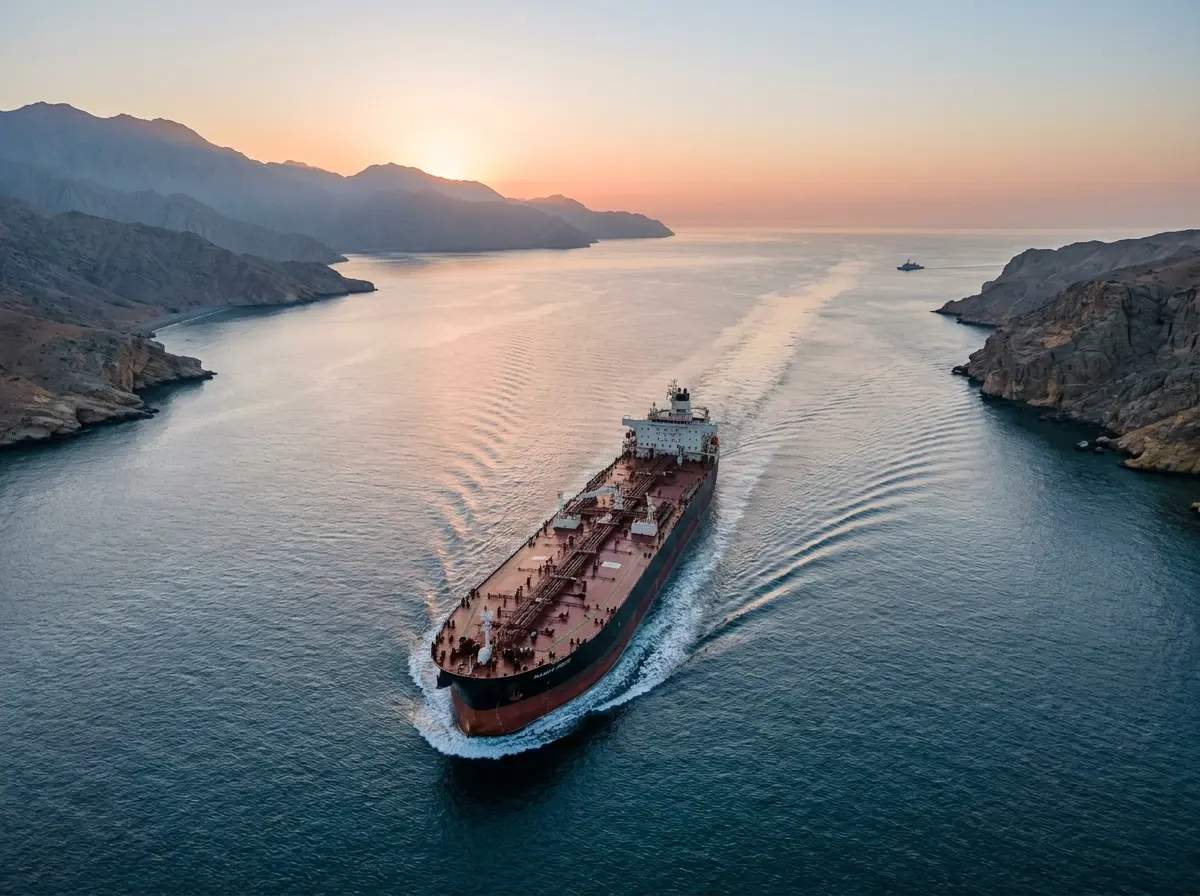
A pause in strikes does not reopen a shipping lane by itself. Shipowners still have to decide the risk is worth taking, and right now most are not convinced.
The Lloyd’s Market Association linked the drop in strait crossings to shipmasters’ own safety judgment more than to a shortage of available cover. Arsenio Dominguez, secretary general of the International Maritime Organization, called the “continued high cost of maritime insurance in the region, which is itself compounding the strain on ship owners and operators” a matter of “great concern.”
Those costs are concrete. Maritime analytics firm Fairway ETA calculates that war risk cover now adds $1.5 million to $4.5 million to a single voyage through the strait, a bill that does not disappear just because both governments stopped shooting for a weekend.
Iran has run versions of this pressure campaign before. Its current mix of mines, fast attack boats and seized tankers echoes tactics from the Tanker War of the late 1980s, though as this site has noted, the 1988 playbook does not map cleanly onto today’s strait, where far more traffic and far more insurers are exposed at once.
100 Days to Midterms, $4 at the Pump
The pause is not only about diplomacy. It is also about arithmetic that President Trump cannot avoid.
The midterm elections are now 100 days away, and the national average price of gasoline sits just above $4 a gallon, according to AAA figures cited in recent coverage, up from roughly $3.14 a year earlier. Democrats in competitive districts have already begun using the spike as a talking point against Republican incumbents.
Several factors converged to make Friday’s pause possible.
- Munitions and target exhaustion: Oilprice.com reported that the recent U.S. bombing campaign had largely worked through its initial target list while burning through significant stocks of munitions and interceptors.
- Midterm math: Elections 100 days out and gasoline near $4 a gallon nationally have sharpened the political cost of an open ended air campaign.
- Diplomatic opening: Oman brokered talks in Tehran produced what Baghaei called constructive progress on safe maritime passage.
- Iran’s conditional mirroring: Tehran’s attack for attack stance means it only holds fire as long as Washington does, leaving either side able to restart the war within a day.
None of those four conditions requires the underlying dispute to be resolved. They only had to align for one weekend.
The Next Move Belongs to Washington
For traders, the coming days will likely be defined by volatility tied to headlines out of Washington and Tehran rather than by any new fundamental data. Bets on oil sliding toward $60 a barrel are running well ahead of the actual paperwork, since Friday’s pause is a stand down, not a signed agreement.
The strait at the center of all this still carries roughly a fifth of global oil consumption, per the U.S. Energy Information Administration’s tracking of Hormuz oil flows, and that volume does not move through elevated insurance costs and jumpy shipmasters just because two governments stopped shooting for a few days. A sustained drop in prices needs tanker traffic to actually return to something like normal, not just a pause in the news cycle.
The April ceasefire lasted about ten weeks before it cracked. Traders are starting the clock again.