Dengue virus has been detected in Georgia for the first time in years, after a single patient tested positive last week, according to Ivane Chkhaidze, medical director of the Iashvili Central Children’s Hospital in Tbilisi. Health officials described the infection as isolated and imported, and said there is no risk of the disease spreading inside the country.
That reassurance holds today. It says far less about the next decade, when the mosquitoes that carry dengue have been edging closer to the Caucasus, season after season, as the warm and humid conditions they thrive in keep expanding north.
One Imported Case, and an Official All-Clear
Chkhaidze confirmed the detection in early June, telling reporters that one case of the mosquito-borne virus was identified in the country the previous week. He gave no details about the patient or how the infection was picked up, and he stressed that a lone case is a long way from an epidemic.
Georgia’s disease-control authorities backed that reading. A deputy head of the country’s Center for Disease Control said imported dengue infections turn up most years in travelers returning from tropical regions, and that the country has logged no local transmission of the virus to date. Local outlets reported the detection as the first confirmed dengue case in Georgia since 2017.
The incubation period for dengue (DENV, the virus behind dengue fever) usually runs five to seven days and can stretch to 15 in its classic form. When symptoms arrive, they are hard to miss: high fever between 39 and 41 degrees Celsius, severe chills, pounding headaches, muscle and joint pain, and deep fatigue.
Chkhaidze also moved to settle a separate worry, confirming that no cases of Ebola have been recorded in Georgia and that there is no risk of that disease circulating. The dengue detection, in his telling, is a single dot on the map, and authorities want it read that way.
Why a Single Case Reads Differently This Year
A decade ago, a dengue case in Tbilisi would have been a pure travel-medicine footnote. The picture across the wider region has shifted since then, and infections caught without leaving the continent have gone from a freak event in Europe to an annual fixture.
The European Centre for Disease Prevention and Control (ECDC, the European Union’s public-health agency) put the bloc’s count of locally acquired dengue cases at 304 across mainland member states in 2024, its worst year on record. Italy carried 213 of them, France 83 and Spain 8. The year before, the same tally was 130; in 2022 it was 71.
The 2025 season eased off the peak but stayed firmly in the new normal, with dozens of home-grown cases in France, a small cluster in Italy and two in Portugal. The trend line, not any single summer, is what makes Georgia’s case worth a second look.
| Year | Locally acquired EU/EEA cases | Countries |
|---|---|---|
| 2021 | 2 | France |
| 2022 | 71 | France, Spain |
| 2023 | 130 | Italy, France, Spain |
| 2024 | 304 | Italy, France, Spain |
| 2025 (partial) | 35 and rising | France, Italy, Portugal |
The Mosquito Doing the Spreading
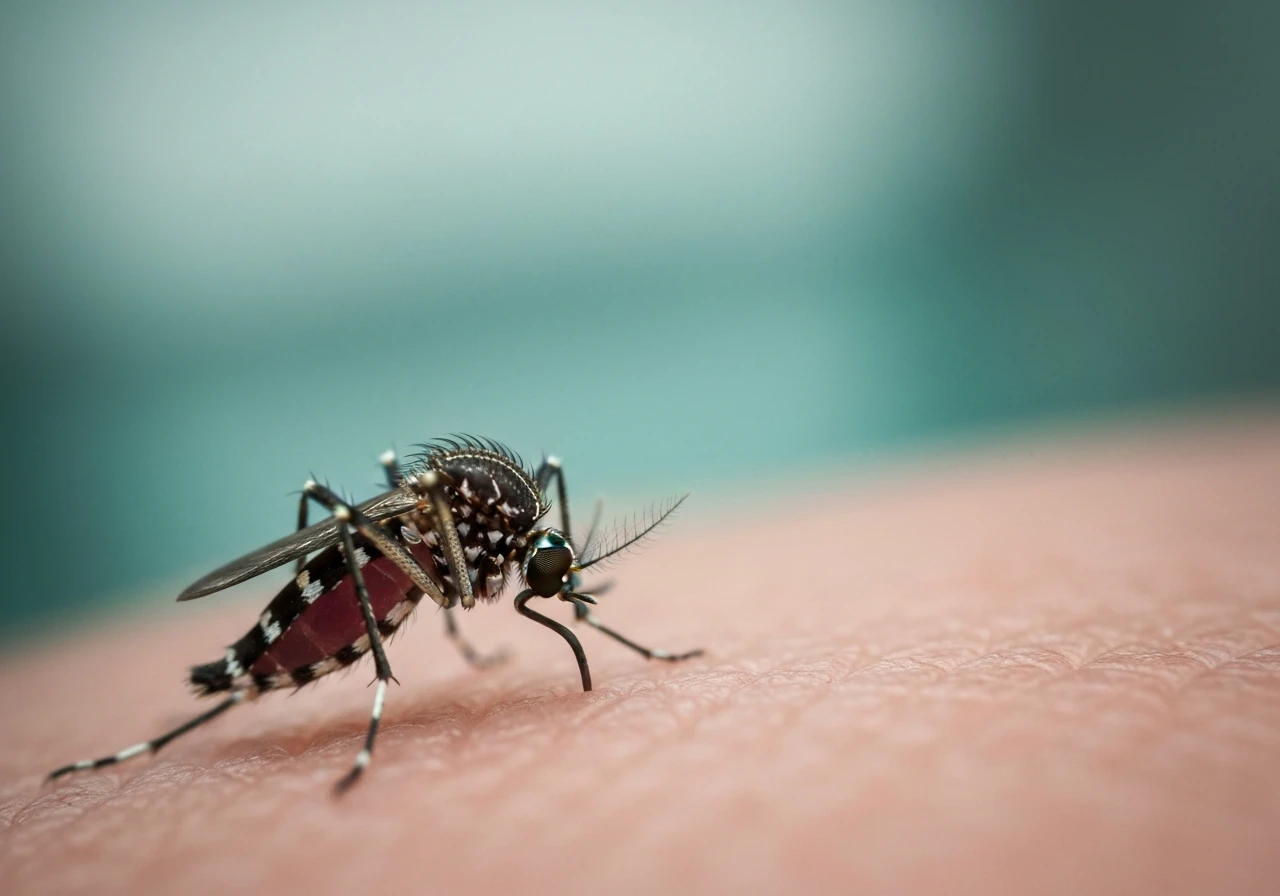
None of this happens without a courier. Dengue does not pass from person to person; it needs a mosquito, and the species pushing into Europe and the Black Sea basin is Aedes albopictus, the Asian tiger mosquito, now reckoned the most invasive mosquito in the world.
From the Black Sea Coast Inward
The tiger mosquito ranks second only to Aedes aegypti as a carrier of dengue. Researchers studying the spread of invasive mosquitoes around the Black Sea region have warned for years that its march into these coastlines raises the odds of dengue, chikungunya and Zika gaining a foothold in Europe.
Georgia’s humid Black Sea coast is exactly the kind of habitat the insect favors. It has already settled across much of the Mediterranean and into parts of the Caucasus, hitching rides through the trade in used tires and ornamental plants that ferry its eggs across borders. Once it establishes, it does not leave, and that permanence is what separates today’s risk from the occasional imported case of the past.
Warmer, Wetter, Longer Seasons
Climate is the accelerant. Rising temperatures, heavier rainfall and longer warm seasons all widen the window in which the mosquito can breed and the virus can replicate inside it. One model of climate-driven Aedes expansion projected that close to a billion people could face their first exposure to these viruses within a century, much of it in Europe and higher-elevation zones.
That link between heat and transmission is already visible elsewhere. Work tying warmer temperatures to rising dengue activity has become a fixture of public-health planning, and it is the same mechanism now reshaping the map of Europe.
A Record Year the World Is Still Tallying
Zoom out, and Georgia’s single case is a speck against a global surge. The World Health Organization (WHO, the United Nations health agency) called 2024 the heaviest dengue year ever measured, and 2025 kept the pressure on.
- 14.6 million dengue cases reported worldwide in 2024, more than double the 2023 total.
- More than 12,000 deaths linked to the disease that year, with cases logged in over 100 countries.
- Half the world’s population now lives at risk, with 100 to 400 million infections estimated each year.
- Over 90% of 2024 cases came from the Americas, with Brazil alone reporting more than 10 million.
The WHO’s guidance on dengue and severe dengue ties the climb to warmer weather, faster urbanization and more human travel. A peer-reviewed accounting of the 2024 dengue epidemic put the count at a record high and flagged the speed of the rise, not just the size, as the part that worries epidemiologists.
Asia and the Americas remain the hardest hit. Flare-ups like the dengue surge across coastal Karnataka in India show how fast seasonal rains turn into hospital pressure where the virus is entrenched.
What unsettles researchers is less the raw count than the geography. The disease is now reported in places that logged almost none a generation ago, Europe and the eastern Mediterranean among them, which is why a case in Georgia no longer files itself neatly under exotic.
What Dengue Does, and How to Cut the Risk
For most people who catch dengue, the illness is miserable but survivable. A minority develop severe dengue, and that is the version that kills.
Spotting the Symptoms
Classic dengue brings sudden high fever, severe headache, pain behind the eyes, aching muscles and joints, nausea and a rash, usually within a week of a bite. Warning signs of the severe form include intense abdominal pain, persistent vomiting, bleeding from the gums or nose, and signs of shock, all of which call for emergency care.
There is no specific antiviral cure. Treatment focuses on fluids, rest and pain relief, with hospital monitoring for anyone showing severe signs. A vaccine, QDenga, is licensed in some countries but is mainly cleared for ages 6 to 16 in high-transmission areas, so it is not a quick fix for most adult travelers.
Lowering Your Exposure
Because there is no cure, prevention rests on avoiding bites and denying the mosquito places to breed. The basics travel well:
- Use repellent with DEET, picaridin or a similar active ingredient on exposed skin during the day, when the tiger mosquito bites most.
- Wear long sleeves and trousers in mosquito-heavy areas, and sleep under screens or nets.
- Empty standing water from pots, buckets, gutters and old tires, the still pools where Aedes lays its eggs.
- Watch for fever after travel to dengue-endemic regions and tell a doctor where you have been.
The advice mirrors guidance issued during the dengue warnings over Puerto Rico and the U.S. Virgin Islands, where local transmission is a recurring summer threat.
For now, the official line is sound: one imported case, no local spread, no cause for alarm. The next few warm seasons will test it. If the tiger mosquito keeps its distance, Georgia’s dengue story stays a travel footnote; if it does not, the country’s run of purely imported cases ends, and the calm of this summer becomes the baseline everyone looks back to.
Frequently Asked Questions
Is dengue contagious from person to person?
No. Dengue does not spread directly between people. It passes through the bite of an infected Aedes mosquito, mainly Aedes aegypti and the Asian tiger mosquito. Rare exceptions involve blood transfusion, organ transplant or mother-to-baby transmission during pregnancy.
How serious is the dengue case detected in Georgia?
Health officials describe it as a single, imported case with no sign of local spread, and they say imported infections appear most years in returning travelers. Georgia has recorded no local transmission to date, so the immediate public risk is considered low.
What are the early symptoms of dengue fever?
Symptoms usually appear five to seven days after a bite and include sudden high fever, severe headache, pain behind the eyes, muscle and joint aches, nausea and a rash. Severe warning signs such as bleeding, persistent vomiting or abdominal pain need emergency care.
Is there a vaccine for dengue?
Yes. A vaccine called QDenga is licensed in some countries, but it is mainly approved for ages 6 to 16 in high-transmission areas. There is no specific antiviral cure, so treatment focuses on fluids, rest and monitoring.
Which European countries have local dengue transmission?
France, Italy, Spain and Portugal have all reported locally acquired dengue in recent years. The EU recorded 304 such cases in 2024, its highest total to date, with Italy and France carrying most of them.
How can travelers protect themselves from dengue?
Use insect repellent during the day, wear long sleeves and trousers, sleep under screens or nets, and remove standing water where mosquitoes breed. Watch for fever after travel to dengue-endemic regions and tell a doctor your travel history.
Disclaimer: This article is for informational purposes only and is not medical advice. Dengue and other mosquito-borne illnesses can be serious; anyone with symptoms or specific travel-health concerns should consult a qualified healthcare professional. Case counts and figures are accurate as of publication.