The Caucasus exhibition at Tbilisi Zoo opened in test mode on August 9, giving the public early access to the first completed section of the long-planned new facility near Tbilisi Sea. Zoo administrators cited high public interest for the decision. The official opening remains scheduled for autumn.
Landscaping continues across the site. A café and children’s educational center are still under construction. Visitors must stay on marked paths and keep clear of warning-sign zones.
What Visitors See Right Now
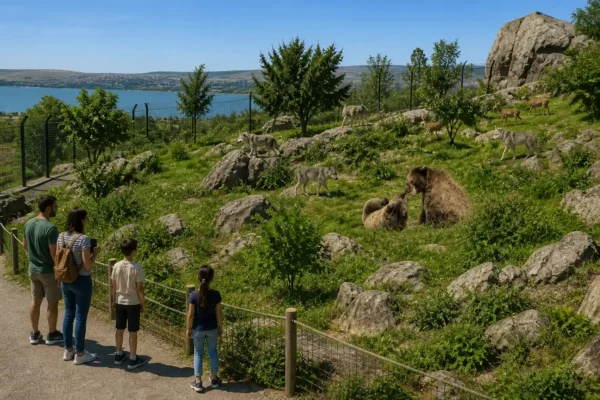
Only the Caucasian exposition is open. It houses animals native to the region and doubles as a conservation space for endangered species. Zoo Director Zurab Gurielidze has described the dual role repeatedly in recent months.
Hours run daily from 11 a.m. to 7 p.m. The ticket office closes at 6 p.m. The entrance sits at the end of Khudadov Street near Tbilisi Sea and Ivertubani. Ticket prices for the new site have not been announced.
The administration is collecting visitor comments on what to add or change while work finishes. The old city-center zoo continues operating with its own collection.
Animals Already on Site
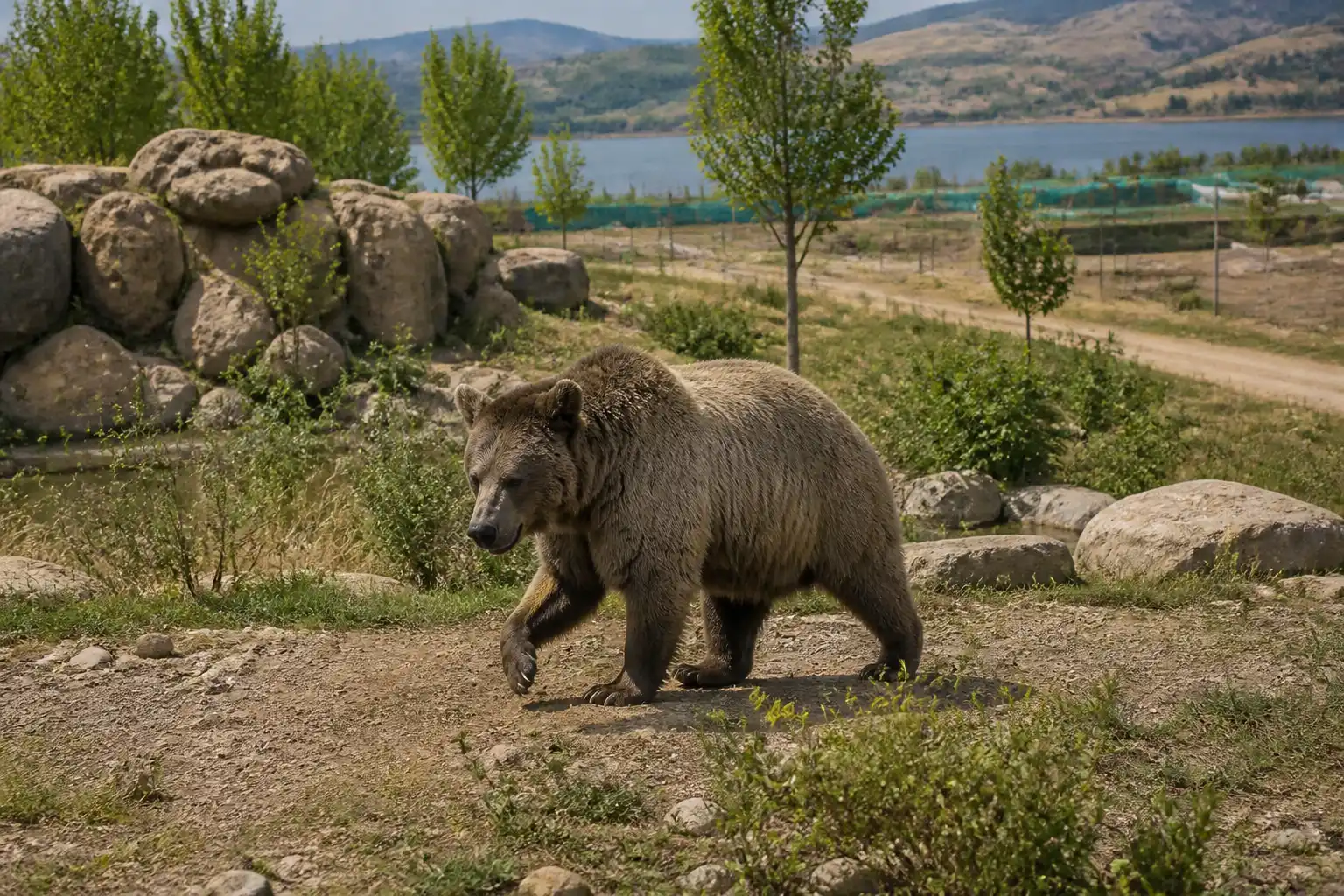
The first residents are classic Caucasus species: bears, wolves, deer and wild goats. These match the animals Gurielidze listed when he outlined the phased launch earlier this year.
| Species group | Role in exhibition | Notes |
|---|---|---|
| Brown bears | Core enclosure residents | Syrian and Eurasian forms present in the wider Caucasus |
| Wolves | Core enclosure residents | Eurasian grey wolf native across mountain and forest habitats |
| Deer | Core enclosure residents | Includes forms related to Caspian red deer |
| Wild goats | Core enclosure residents | Mountain ungulates typical of the range |
The region’s wider fauna includes Caucasus mammals including bears and wolves, the endangered West Caucasian tur, Caucasian lynx and Persian leopard. The exhibition’s conservation brief targets protection and restoration work for threatened local species.
Space at the old site has stayed tight. In recent weeks the zoo took in three young martens found in an attic after well-meaning rescuers raised them past the point of wild release. Staff built a temporary outdoor run because the indoor exotarium proved too small for the climbers. Stories like that remain common while the new grounds fill out.
Eleven Years After the Flood
The new location exists because of the night of 13-14 June 2015. Flash flooding on the Vere River tore through the old zoo in the river valley. At least 19 people died. Nearly 300 animals drowned or were later killed. Lions, tigers, a hippo and other animals escaped into the city.
- June 2015, Flood destroys large parts of the Soviet-era zoo; three keepers among the dead; plans for a Tbilisi Sea site already existed but lacked full funding.
- September 2015, Old zoo reopens after emergency repairs with a reduced collection; questions that lingered after the 2015 reopening focused on safety and the slow pace of permanent relocation.
- 2015-2025, Land assembly near Tbilisi Sea advances; Cartu foundation helps secure parcels; African savannah planning and tenders move in fits and starts.
- April-May 2026, Gurielidze publicly targets first-half July for the Caucasus section; full site described as 48 hectares needing roughly $50 million to equip.
- August 9 2026, Caucasus exhibition opens in test mode ahead of the autumn official date.
The old site sat on roughly 9 hectares of unsuitable terrain hemmed by roads and buildings. Floods had hit it before, including a major event in 1972. The new grounds give animals larger enclosures and remove them from the floodplain.
This exposition has a dual purpose, it is both an exhibition space and a conservation area, which is one of the main roles of zoos.
Gurielidze made that point in April while confirming municipal budget support for the first phase.
Scale of the New Grounds
The completed zoo is planned at 48 hectares and about $50 million investment. That footprint is many times the old valley site. Larger enclosures are the design priority.
- 48 hectares, total planned area near Tbilisi Sea
- ~$50 million, full equipping cost cited by the director
- Caucasus first, only section open now
- Africa next, targeted for late 2026 or early 2027, including a multi-hectare savannah
Giraffes, rhinos, zebras and other African species are slated once the savannah enclosures finish. Gurielidze has said the African section will open in stages and that giraffe arrival depends on completed housing.
How the Rest of the Project Unfolds
The café and children’s educational center remain active construction zones. Landscaping crews are still on site. Administrators have asked the public to stay strictly on the marked visitor path.
The existing city zoo will keep its doors open with a different mix of animals. That split lets the new grounds grow without shutting the capital’s only public zoo during the transition.
Funding has come through the municipal budget for the current phase. Earlier years saw delays from the pandemic, tender disputes and the sheer scale of land and infrastructure work. The early test opening is a direct response to people wanting to see the finished enclosures rather than wait for every last building.
Practical Rules for a Visit
Anyone heading out now should treat the site as a live construction zone with open animal areas.
- Enter only at the Khudadov Street end near Tbilisi Sea and Ivertubani.
- Stay on the marked path around the enclosures; ignore any urge to shortcut past warning signs.
- Plan around 11 a.m. to 7 p.m. daily hours and the 6 p.m. ticket-office cutoff.
- Expect unfinished café and education buildings; bring water and plan bathroom stops accordingly.
- Share feedback with staff if asked, the administration is actively soliciting comments during the test period.
No confirmed ticket price exists yet for the new grounds. Old-zoo rates have long been low single-digit lari, but the new tariff will be set with city authorities.
What the Early Access Already Shows
The test opening closes the longest chapter of the post-flood story. For eleven years the capital ran a patched-up zoo on vulnerable ground while the Tbilisi Sea project moved in fits. The Caucasus animals are now in larger, purpose-built space. Visitors can walk the path today. Construction noise and temporary fencing remain part of the scene. The full African expansion and supporting buildings still lie ahead, but the first public reckoning with the 2015 disaster has begun on the new ground.