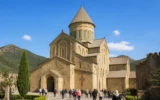
Twenty women farmers from Samegrelo-Zemo Svaneti brought their daughters, sons and grandchildren to Martvili on 12 August 2026 for International Youth Day. They filled the Gulsunda ethno-gastro space near Martvili Canyon with traditional cheeses, jams, dairy and vegetable products while trading skills in culinary masterclasses and meeting HoReCa buyers from Zugdidi, Kutaisi and Martvili.
The gathering, run by the Food and Agriculture Organization of the United Nations with Swiss Agency for Development and Cooperation support, turned a UN observance into a practical market and knowledge hand-off. It sits inside a multi-year farmer field school drive that has already reached hundreds of smallholder women and is now pulling the next generation into the work.
What Happened at the Ethno-Gastro Space
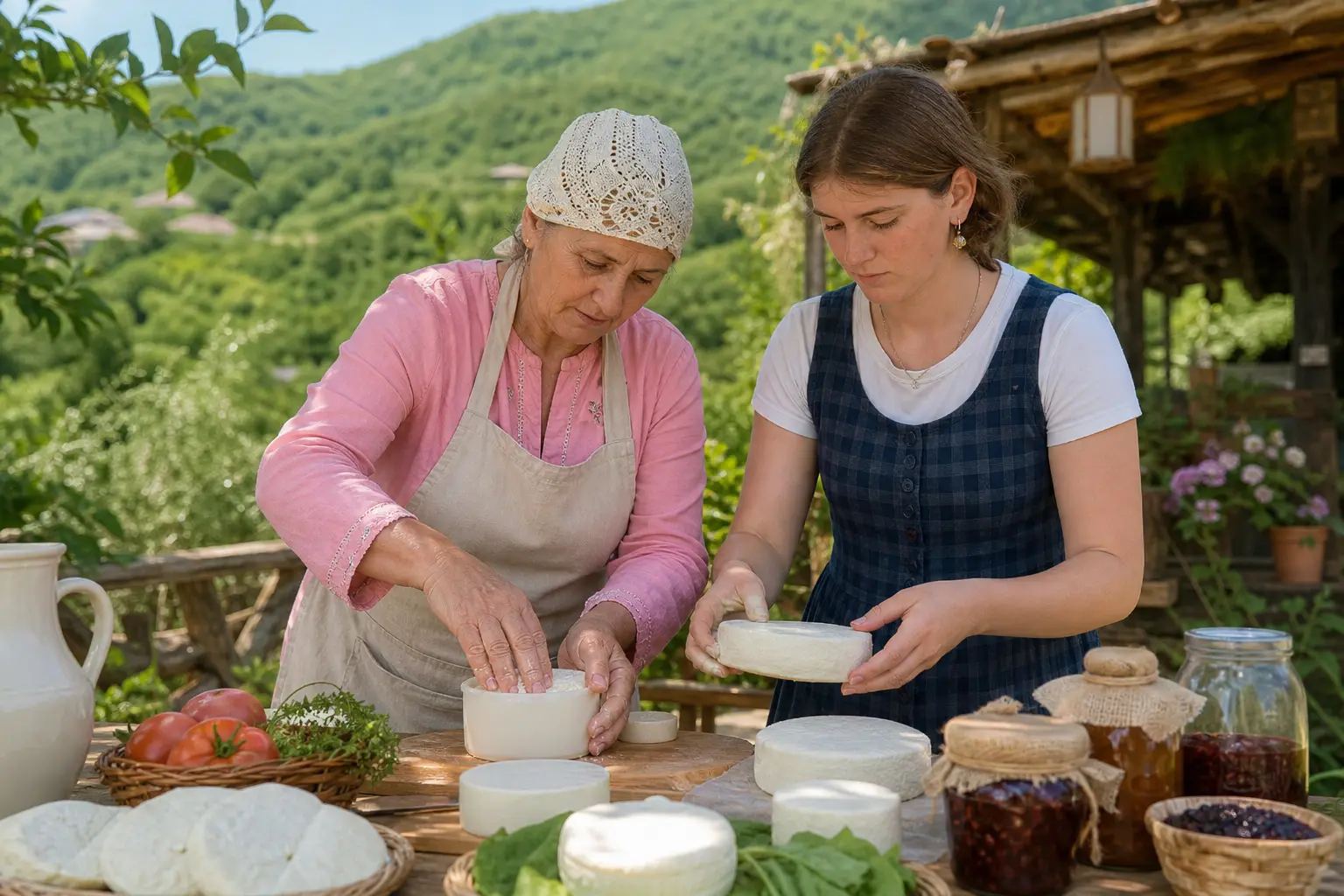
Hosted at Gulsunda, the afternoon mixed exhibition, sale and hands-on sessions. Local dairy, fruit and vegetable specialties went on display. Experienced producers walked younger relatives through practical techniques. HoReCa representatives joined to sample and talk supply.
The format was deliberate. It paired intergenerational exchange with private-sector contacts so knowledge would not stay inside the family and products would not stay on the farm gate.
- Traditional cheeses and other dairy items
- Jams and fruit preserves
- Fresh and processed vegetables
- Culinary masterclasses between generations
- Direct conversations with restaurant and hotel buyers
Javier Sanz Alvarez, FAO Senior Programme Officer, framed the stakes plainly: “Young people’s involvement in agriculture is essential in shaping the future of rural communities. By connecting generations, we help ensure that valuable knowledge and traditions are preserved while encouraging new ideas and innovation.”
Farmer Field Schools Already Reach Hundreds
The Martvili event sits inside the project “Fostering the economic resilience of small-scale women farmers in Samegrelo and Abkhazia through farmer field schools.” Since 2020 FAO and SDC have built a network that the FAO report on the Martvili Youth Day event puts at 43 schools and 813 women trained in modern and innovative production practices.
A completed earlier phase focused on dairy produced clear gains. Women learned hygiene, livestock health, food safety rules and how to make multiple high-end cheese styles. Many began supplying shops, restaurants and hotels. Equipment for milk and dairy work went out with the training. An UN Women wrap-up of that phase recorded more than 600 women across 30 schools in eight municipalities of Samegrelo-Zemo Svaneti learning 10 cheese types including caciotta and halloumi.
| Metric | Earlier Phase (to 2024) | Current / Cumulative |
|---|---|---|
| Farmer Field Schools | 30 in Samegrelo-Zemo Svaneti | 43 established |
| Women farmers reached | More than 600 | 813 supported |
| Key skill areas | Dairy hygiene, 10 cheese types, business basics | Modern food production, innovation |
| Observed gains | Milk yields up 24 percent; artisan cheese sales | Ongoing knowledge sharing |
The new SDC-backed phase running April 2025 to March 2029 carries a Swiss budget of CHF 1.5 million. It targets 51 newly established schools and 851 female farmers across dairy, fruit and vegetable lines in Samegrelo and Abkhazia, with business literacy and leadership skills built in. The Swiss project budget and expected results also note prior trainees lifted milk yields 24 percent, improved cheese safety and quality, and raised sales revenues. Eighty percent of lead farmers started producing and selling artisan cheeses.
Rural Youth Still Face Steep Exit Pressures
Georgia’s countryside produces a large share of employment relative to its slice of GDP. Agriculture contributes around 7 percent of GDP yet employs a far higher share of the workforce, much of it on holdings under one hectare. Average agricultural holdings fail to reach five hectares. Fragmented land makes bank credit and commercial scale hard, especially for young women.
A recent FAO look at rural youth found high educational attainment paired with weak local pathways. University graduates who return often find few jobs beyond subsistence or public posts. Migration becomes the default response. One young teacher from Martvili itself, Kristine Khazhomia, grows vegetables, dreams of a greenhouse, yet watches ambitious students leave for cities and rarely come back. She has considered migration herself for her children’s future.
The FAO findings on rural youth in Georgia show interest in agriculture, entrepreneurship and community work is present. The missing pieces are infrastructure, services, finance access and concrete market routes. Without them the skills gap and land barrier keep pushing people out.
Heritage Products Meet Real Buyers
Samegrelo-Zemo Svaneti carries strong food traditions. Dairy, especially cheese, sits at the center of local identity and tables. Earlier field-school work moved women beyond home recipes into consistent, safer, higher-value styles that restaurants recognize. Jams, fruit and vegetable items rounded out the Martvili tables.
The presence of HoReCa buyers from three towns turned the celebration into a sales and contract conversation. Smallholders who can meet volume, quality and labeling expectations gain steady outlets. That income is the practical argument for a young person to stay and expand rather than leave.
When knowledge is shared across generations, rural communities become stronger and more resilient. By supporting smallholder women farmers and encouraging young people, especially young women and girls, to engage in agriculture, Switzerland helps preserve local agricultural heritage while creating new opportunities for future generations.
Barbara Böni, Regional Director of Swiss Cooperation at the Embassy of Switzerland in Georgia, made that link explicit. The partnership with FAO aims at women’s economic empowerment, innovation and sustainable rural development in one package.
How the Model Combines Three Levers
The Martvili day compressed three things that usually stay separate: technical upgrading through farmer field schools, deliberate knowledge transfer to daughters, sons and grandchildren, and face-to-face market introductions.
Field schools give adult women the production and food-safety tools. Bringing family youth into the same space lets those tools travel one generation forward without waiting for formal training cycles. Inviting buyers closes the loop so better products find paying customers. The same approach earlier helped women move artisan cheeses into shops and hotels and raised household cash.
Abkhazia sits inside the project design for a reason. Protracted conflict and the administrative boundary line limit movement and markets. Building skills and income on both sides of the line is meant to reduce isolation and poverty that hit women hardest. Samegrelo itself carries above-average poverty and a high share of people dependent on social assistance after displacement.
Parallel Work on Women’s Economic Roles
The FAO-SDC schools sit alongside other efforts that treat women as central to rural resilience. Broader women’s empowerment efforts across Georgia backed by the EU and UNDP have pushed similar goals of economic voice and community leadership. Earlier dairy work with UN Women added rights awareness, business basics and local advocacy so participants became community organizers as well as producers. Kindergartens and other local wins followed from that activism in some villages.
The common thread is practical. Skills plus assets plus networks turn subsistence activity into something that can support a family and attract the next generation. The Martvili event simply made the youth piece visible on a UN calendar day whose 2026 theme was “Different Contexts, Common Aspirations.”
Numbers That Will Decide Whether Youth Stay
Success will show up in sales volumes, repeat contracts with HoReCa partners, young people registering as active operators, and whether milk yields, product quality and income keep climbing in the new phase. The target of 851 more women trained by 2029 and 51 schools is large enough to shift local norms if the market side holds.
Prior results give a baseline: 24 percent higher milk yields, new artisan cheese lines, equipment in use, and women already selling into the hospitality channel. The youth layer is newer. Masterclasses and family invitations are the first step. Sustained follow-up, access to small investment, and open doors at restaurants and hotels will determine whether the teenagers at Gulsunda become the next cohort of producers or another wave of out-migrants.
Samegrelo-Zemo Svaneti’s food identity is already a tourism and table asset. Linking it to trained producers who can meet modern standards and to young people who see a livelihood in it is the sleeper mechanism the Martvili afternoon put on display. The earlier dairy farmer field school outcomes proved the production side can move. The open question is whether the generational and buyer connections scale at the same pace.
Frequently Asked Questions
What is a Farmer Field School in the Georgia context?
A Farmer Field School is a group-based, hands-on learning method where smallholder producers meet regularly to test improved practices on their own crops or livestock, compare results, and adopt what works for food safety, yields and marketing. In Samegrelo the schools have focused on dairy hygiene, cheese varieties, livestock health and business skills rather than classroom lectures.
How many women have the FAO-SDC schools reached so far?
By the time of the 2026 Martvili event the collaboration reported 43 Farmer Field Schools established and 813 women farmers supported with knowledge-sharing on modern production. An earlier dairy-focused phase that closed in 2024 had already trained more than 600 women in 30 schools across eight municipalities.
Which traditional products did participants showcase?
The exhibition featured locally produced dairy items including traditional cheeses, jams, fruit products and vegetables. Earlier training had introduced women to additional high-end styles such as caciotta and halloumi that can command better prices in shops and hospitality outlets.
Why does the project cover both Samegrelo and Abkhazia?
Both areas face limited economic options. Abkhazia’s protracted conflict and the administrative boundary line restrict markets and movement, raising poverty risks especially for women. Samegrelo hosts many displaced people and records poverty rates above the national average. Joint skills and income work is intended to strengthen resilience on both sides of the line.
What role did HoReCa businesses play at the event?
Representatives from the hotel, restaurant and café sector in Zugdidi, Kutaisi and Martvili attended to network and explore supply links. The goal was to open direct sales channels so smallholder women could move beyond farm-gate or local informal sales into more stable commercial outlets.