Apple raised starting prices on MacBooks and iPads in late June 2026, then lifted Apple Music and new AppleCare+ plans in July, citing AI-driven memory shortages and higher licensing fees. The iPhone has largely held the line outside Japan, yet the cost of living inside the full Apple stack is climbing just as the iPhone 18 series approaches.
The obvious story is sticker shock. The quieter one is what those higher entry prices do to upgrade timing, financing and the services that keep users inside the garden.
June Hardware Shock Hit Entry Models Hardest
On June 25 Apple moved prices across Macs, iPads, HomePod and Apple TV. The company said it could no longer absorb soaring DRAM and NAND costs. In an Apple statement on memory costs, the firm wrote: “We have never seen a component price increase this much, this quickly.”
Shares fell nearly 5 percent that day. Dell dropped more than 8 percent as the same pressure hit the broader PC market.
- MacBook Neo base: $599 to $699
- MacBook Air 512 GB: $1,099 to $1,299
- MacBook Pro 1 TB: $1,699 to $1,999
- iPad Air 128 GB: $599 to $749
- iPad Pro 256 GB Wi-Fi: $999 to $1,199
In India the MacBook Air jumped from Rs 1,19,900 to Rs 1,49,900 and the 15-inch model reached Rs 1,79,900. Entry iPad hit Rs 44,900. Refurbished units moved up too. Existing AppleCare+ subscribers kept old rates; new buyers pay more.
| Model | Prior US price | New US price | Delta |
|---|---|---|---|
| MacBook Neo base | $599 | $699 | +$100 |
| MacBook Air 512 GB | $1,099 | $1,299 | +$200 |
| MacBook Pro 1 TB | $1,699 | $1,999 | +$300 |
| iPad Air 128 GB | $599 | $749 | +$150 |
| iPad Pro 256 GB Wi-Fi | $999 | $1,199 | +$200 |
HomePod and Apple TV also rose. The Vision Pro saw adjustments. The range ran from roughly $30 on the mini speaker to $1,300 on high-end Mac Studio configurations according to contemporary tallies.
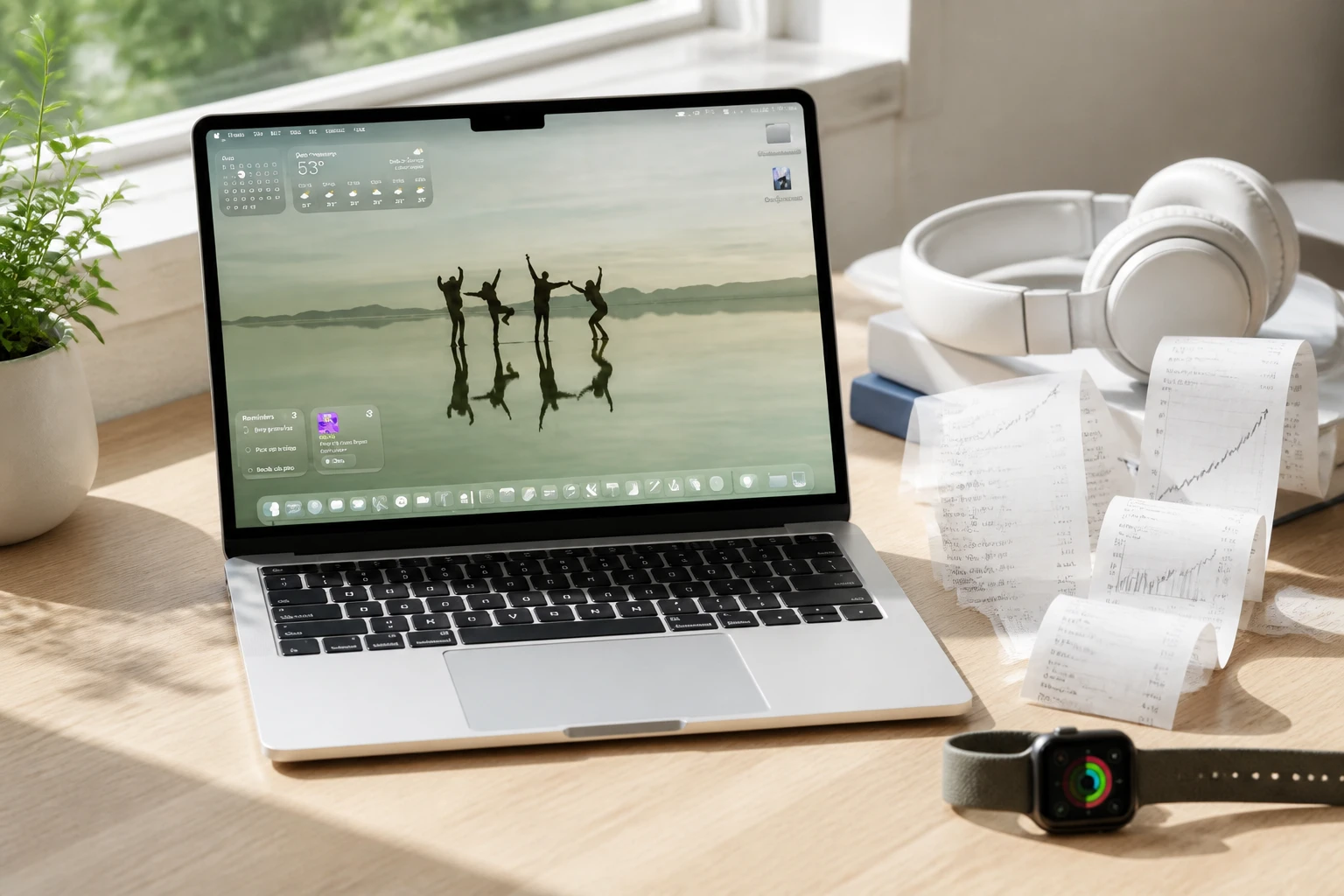
Services and Warranties Stacked Fresh Fees
Hardware was only the start. On July 17 Apple Music raised rates for the first time since 2022. The Individual plan rose to $11.99 from $10.99. Family climbed to $19.99 from $16.99. Student moved to $6.99 from $5.99. Apple pointed to rising licensing costs. Apple One Family and Premier bundles followed. Existing subscribers shift at the next billing cycle after notice.
AppleCare+ for new Mac and iPad plans rose 50 cents a month or $5 a year. Mac mini coverage now starts near $4.49 monthly. Higher-end Mac Pro plans reach $18.49. Standard iPad plans sit around $5.99. Multi-device AppleCare One stayed at its prior starting point, making the bundle relatively more attractive.
AirPods Max remain listed near Rs 67,900 in India, still among the dearest mainstream wireless headphones. Integration features such as automatic switching and spatial audio keep them sticky even as Sony, Bose and Sennheiser offer strong alternatives.
AI Data Centers Drove the Memory Spike
TrendForce data shows why the pressure arrived so fast. Conventional DRAM contract prices rose approximately 93 to 98 percent quarter-over-quarter in the first quarter of 2026. Industry revenue jumped 81 percent to $97 billion. The firm then forecast another 58 to 63 percent rise in the second quarter as suppliers kept prioritizing high-bandwidth and high-capacity server parts for AI customers.
DRAM contract prices rose 93 to 98 percent while inventory at suppliers stayed extremely low. Micron locked in long-term AI commitments measured in the tens of billions. Consumer device makers received what capacity remained, at higher cost.
Tim Cook had warned in April that memory costs would start to bite after the June quarter. Apple said it had shielded customers with existing inventory until the increases became unavoidable. Rivals with thinner supply-chain leverage may face even steeper adjustments.
| Period | Conventional DRAM QoQ change | Notes |
|---|---|---|
| 1Q26 | +93% to +98% | Industry revenue +81% to $97B |
| 2Q26 forecast | +58% to +63% | AI server priority continues |
| 3Q26 forecast | +13% to +18% | Gains moderate on weaker consumer demand |
Later TrendForce notes suggested third-quarter gains would slow as consumer demand softened and the comparison base rose, yet the structural tightness remains.
Japan Already Moved iPhone Prices Higher
The iPhone avoided a global hike. Japan is the exception. In mid-July Apple lifted local iPhone 17-series and related prices by as much as 11 percent. The move tracked yen weakness rather than memory alone. Entry models and Pros both rose. Watches and AirPods saw similar local adjustments.
That market-by-market flexibility shows Apple will recalibrate when currency or costs demand it. Analysts including IDC’s Nabila Popal expect broader iPhone increases with the next cycle. She has suggested Pro models could see jumps larger than the old $50 steps, potentially approaching $200 if memory pressure holds.
In India the Times of India noted the same pattern of higher Macs, iPads, Care and Music. The question for September is whether the iPhone 18 base and Pro lines arrive with higher starting prices or simply absorb the cost in margins.
Slower Upgrades Can Tighten the Trap
Higher stickers do not automatically push people out. They often stretch replacement cycles. A buyer who once upgraded every two years may wait three or four. During that longer hold, iCloud storage, Apple Music, Apple TV+, AppleCare and the Watch rings keep the monthly bill running. Trade-in values and carrier financing become more important. Certified refurbished units look relatively better even after their own price lifts.
Apple’s installed base of active devices already hit new highs across categories in the March quarter. Services revenue hit an all-time high of $31 billion, up 16 percent year over year, inside total revenue of $111.2 billion. Hardware brings users in; recurring fees keep them paying after the initial purchase shock fades.
Crowd reaction on X captured the friction. A widely viewed MacRumors post announcing the Mac and iPad moves drew replies that blamed AI demand for a consumer tax and joked that innovation had stalled so prices had to rise. Music users complained that an extra dollar a month on an already locked-in service felt like another squeeze. Some threatened the “green bubble.” Others simply noted the math and stayed.
We have shielded our customers from these increases so far, but we have now reached a point where we need to begin raising prices on a number of products, including today’s increases for iPad and Mac.
Apple said that in June. The firm added it was working to find solutions. The practical solution for many households is longer ownership plus deeper use of the services already on the devices.
What the Foldable and iPhone 18 Will Test
Apple’s first foldable, widely expected around the September window or shortly after, is unlikely to chase volume pricing. Foldable displays, hinges and Apple’s usual premium stance point to a device that could set a new high-water mark for iPhone pricing in markets such as India. That sits alongside any across-the-board iPhone 18 adjustments driven by the same memory costs.
Samsung has already grown foldable volume while Apple’s timeline still sits ahead. Readers tracking that race can see how Samsung foldable momentum ahead of Apple is shaping the category before Cupertino’s entry. On the camera side, expected iPhone 18 Pro camera changes expected will give Apple another feature story to justify any higher starting price.
Financing plans, trade-in boosts and education or carrier deals will likely expand to cushion the entry. The psychological hit of a higher base price still lands first. Once the device is in hand, the ecosystem features that make switching costly remain.
The Monthly Bill Is the New Anchor
A household with a Mac, iPhone, iPad, Watch, AirPods, Apple Music, iCloud+ and AppleCare now faces higher outlays on almost every line. Individually the deltas look modest. Together they raise the annual cost of staying fully invested. Apple’s gross margins and services growth give it more room than most rivals to pass costs through without immediate mass defection.
Whether that holds depends on how many buyers decide the integration is still worth the premium once every part of the stack has moved. For now the data show services still accelerating and the installed base still expanding even as hardware prices reset higher. The next test arrives with the iPhone 18 launch window and whatever foldable pricing Apple eventually posts.
The devices still switch and sync with the same polish. The price of that polish is simply higher than it was three months ago.