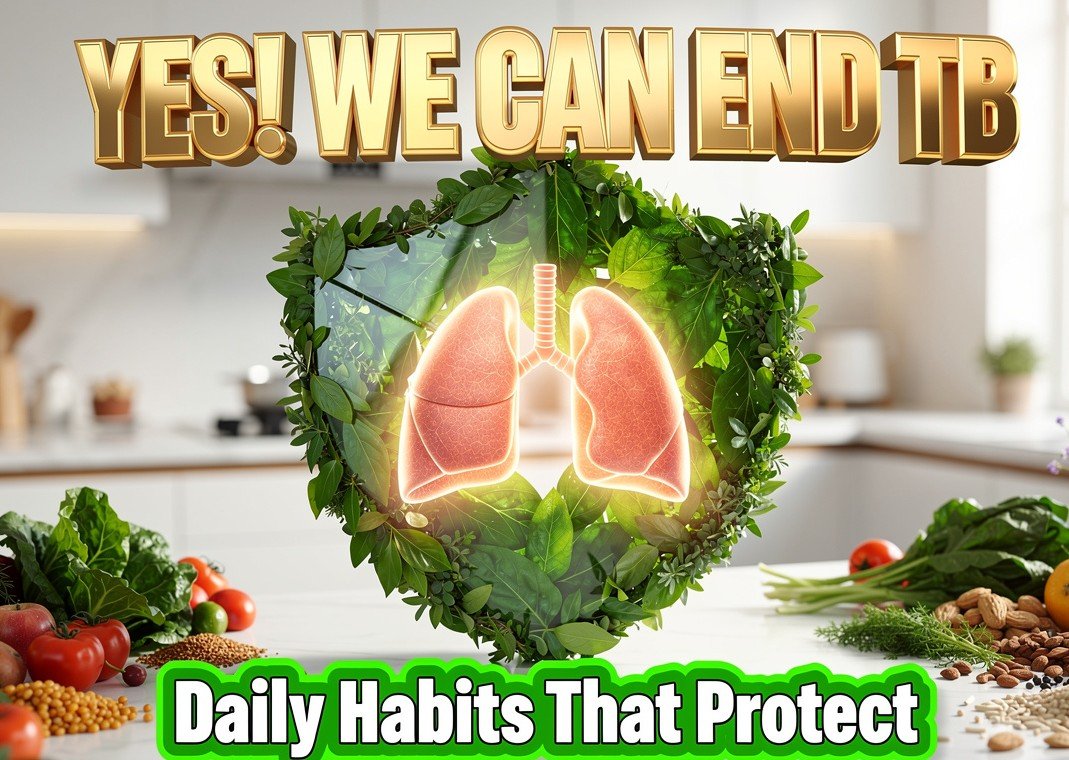
As March 24 approaches, the world marks World Tuberculosis Day under the hopeful banner Yes! We Can End TB. This 2026 theme calls for country leadership and people powered action to finally turn the tide on a disease that still infected 10.7 million people in 2024 and caused 1.23 million deaths.
Yet TB remains preventable and curable. Simple daily habits around nutrition, exercise, sleep and hygiene can strengthen your immune system and protect your family from this airborne threat.
The Ongoing TB Challenge In 2026
TB spreads quietly through the air when someone with active disease coughs, sneezes or speaks. One infected person can affect many others in crowded or poorly ventilated spaces. The bacteria often stay dormant as latent infection, but they activate when immunity drops.
Global progress has saved 83 million lives since 2000 through better diagnosis and treatment. Still, gaps remain. Only about 78 percent of estimated cases received care in 2024, and drug resistant strains continue to challenge health systems.
Undernutrition stands out as a major risk factor. It weakens the body’s ability to contain the bacteria. Other risks include diabetes, smoking, excessive alcohol use and close contact with active cases. These factors explain why TB hits the most vulnerable communities hardest.
Nutrition: Building Your Body’s Natural Defense
Malnutrition and TB create a dangerous cycle. When the body lacks key nutrients, immunity falls and recovery slows even after treatment starts. The reverse is also true. Good food choices help repair tissues, fight inflammation and support the immune cells that target TB bacteria.
Focus on protein rich foods because your body needs them to rebuild damaged lung tissue and produce antibodies. Aim for 1.2 to 1.5 grams of protein per kilogram of body weight daily during recovery or high risk periods. Include eggs, lean chicken, fish, dairy products, beans, lentils and nuts.
Vitamins and minerals matter too. Vitamin D helps activate immune cells that kill TB bacteria. Sources include sunlight exposure, fortified dairy and fatty fish. Vitamin C from citrus fruits, berries and peppers supports white blood cell function. Zinc found in seeds, nuts and whole grains aids wound healing and immune response. Iron from leafy greens and lean meats prevents anemia that often accompanies TB.
Here is a simple guide to smart food choices:
| Foods To Include | Why They Help | Foods To Limit |
|---|---|---|
| Eggs, dairy, fish, lentils | Protein for tissue repair and immunity | Sugary snacks and sodas |
| Citrus, berries, leafy greens | Vitamins C and A for infection fighting | Processed foods high in salt |
| Nuts, seeds, whole grains | Zinc and fiber for gut health | Excessive alcohol |
| Turmeric, garlic, ginger | Natural anti inflammatory properties | Fried items |
Eat small frequent meals if appetite is low. Stay hydrated with water and herbal teas. These steps not only lower TB risk but improve overall energy and resilience.
Everyday Habits That Strengthen Immunity Against TB
Nutrition works best alongside consistent lifestyle practices. Regular moderate exercise increases circulation of immune cells and reduces inflammation. Aim for 150 minutes of brisk walking or similar activity each week. You do not need intense workouts. Simple daily movement like gardening or stair climbing delivers real benefits.
Quality sleep proves essential. Your immune system repairs and strengthens during deep rest. Adults should target seven to nine hours nightly with a consistent schedule. Poor sleep raises susceptibility to infections including TB reactivation.
Stress management matters more than many realize. Long term stress hormones suppress immune function. Try deep breathing, short walks or talking with friends. These simple tools help keep your defenses strong.
Other practical habits include:
- Covering your mouth and nose with a tissue or elbow when coughing or sneezing
- Opening windows for better ventilation in homes and workplaces
- Washing hands regularly with soap
- Avoiding close contact with people showing persistent cough and fever
- Quitting smoking and limiting alcohol
These steps reduce both your risk of catching TB and spreading it if exposed. They cost little yet deliver powerful protection when practiced daily.
Small consistent actions compound into major health gains over time.
Spotting Symptoms Early And Completing Treatment
Early detection saves lives and stops transmission. Watch for a cough lasting more than two weeks, chest pain, unexplained weight loss, night sweats, fatigue or fever. These signs can be mild at first, which is why many people delay seeking help.
If symptoms appear, visit a doctor promptly for testing. Free or low cost screening is available in most countries through public health programs. People in close contact with confirmed cases or those with weakened immunity should request screening even without symptoms.
For those diagnosed, completing the full course of medicines is critical. Stopping early allows bacteria to survive and potentially develop resistance. Support from family and community health workers improves adherence rates dramatically.
Preventive treatment also exists for people with latent TB who face high risk of activation. This shorter course of medicine stops the infection from progressing in many cases.
Community Action And The Path Forward
The 2026 theme emphasizes that countries must lead while people power the effort. Individuals contribute by getting tested when needed, supporting loved ones through treatment and spreading accurate information to reduce stigma.
Communities can organize awareness events, promote ventilation in public spaces and advocate for better nutrition programs. Governments need to invest in rapid diagnostics, ensure medicine supplies and address social factors like poverty and overcrowding.
Progress depends on all these pieces working together. When people adopt healthy habits and seek care early, they support larger goals of ending TB transmission.
World TB Day reminds us the fight belongs to everyone. Your daily choices matter more than you might think. They protect your health today and help build a TB free future for the next generation.