Samsung has begun teasing its next Galaxy Watch as an AI Health Companion ahead of Galaxy Unpacked on July 22 in London. Three short videos posted to the official Samsung Galaxy Watch teaser page and a written post frame the upcoming wearable as a health-first, always-on gateway for advanced, personalized AI that translates overnight sleep and daily activity into simple guidance. The pitch lands in the same week current Galaxy Watch owners in the United States are being told a heart-tracking feature on their existing devices will disappear.
Samsung’s June 4 announcement of a new Samsung Health update sets up the software side of the campaign, with Vitals, Heart Health Score, Daily Cardio Load, and Fitness Index built around five core pillars: Sleep, Activity, Nutrition, Mindfulness, and Vitals. The teaser videos add the hardware pitch: all-new internal components, enhanced battery life, and a sleek titanium case built for extreme trail running, ocean diving, cycling, and intense workouts. In late July, at almost the same moment as the new watch’s launch, the company will push the One UI 9 Watch update to current US Galaxy Watches and with it the removal of the Vascular Load Labs feature. Samsung has not explained the removal, leaving US owners to download their existing data while a replacement called Blood Pressure Trend awaits.
What the Teasers Show
Three short videos on Samsung Newsroom walk through the new watch’s framing without ever naming the hardware. Their captions advertise a sleek shape, a comfortable titanium case, a crystal-clear display, a super long-lasting battery, and a brand-new processor with enhanced efficiency. The interest-registration window opened July 8 and runs through July 22, the day of the Galaxy Unpacked July 22 livestream itself.
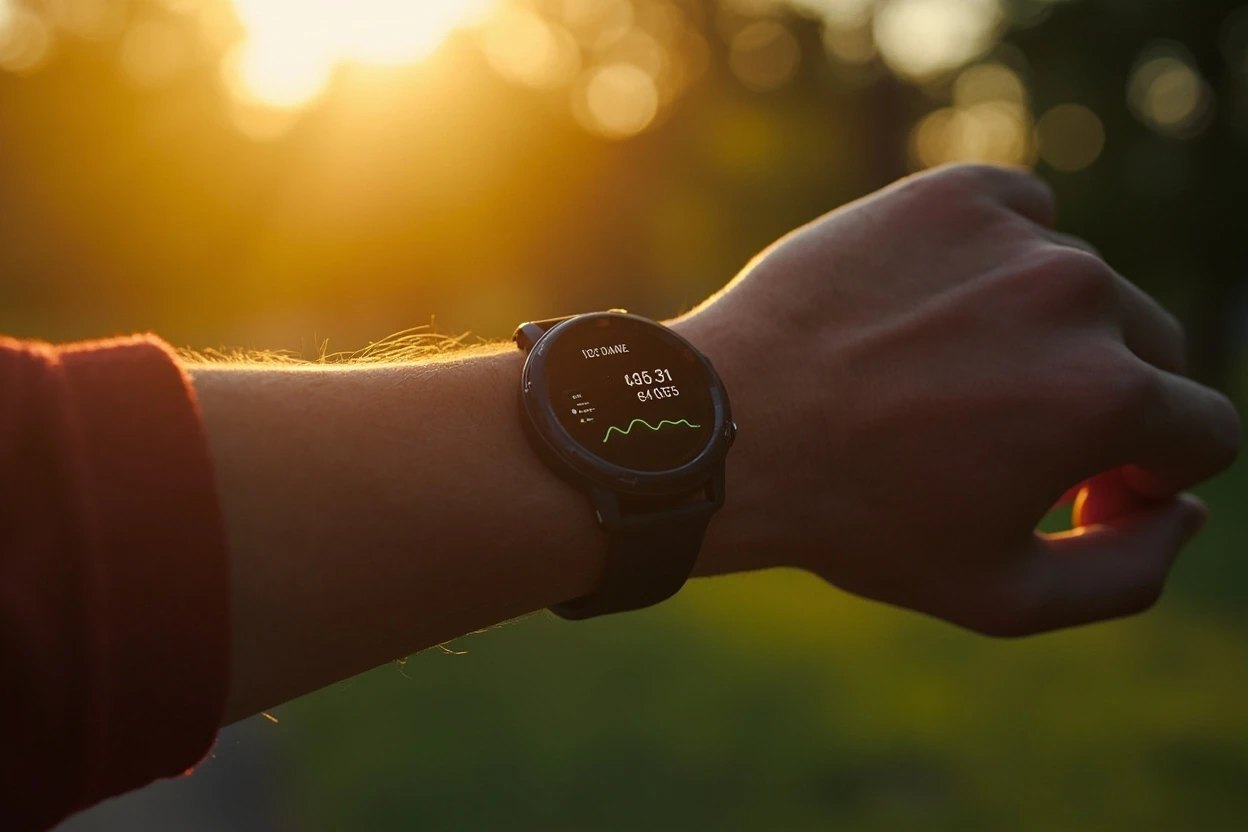
Samsung’s write-up is explicit about the role it wants the watch to play. “Galaxy Watch playing a critical role as a health-first, always-on gateway for advanced, personalized AI,” the post reads, adding that simply wearing the device should give users a whole new level of effortless wellness. The teaser also lists built-in tracking for heart rate, calorie consumption, blood pressure, sleep apnea, and automatic body composition, and tells users they can raise their wrist to speak to the AI. The pictures lean toward a round case with a fitness-focused watch face, suggesting the lineup will include the Galaxy Watch 9 and the Galaxy Watch Ultra 2.
The Samsung Health Update Behind It
The software half of the pitch arrived first. On June 4, Samsung Electronics announced a major update to the Samsung Health app that “transforms the upcoming Galaxy Watch into a proactive, intelligent health partner.” Rolling out from June 8 on Android phones running Android 10 or above with the Samsung Health app v7.0 or above, the update previews four new metrics that will live on the next watch. Each metric draws on inputs the watch already collects, with the goal of turning overnight readings into morning advice. Hon Pak, Senior Vice President and Head of the Digital Health Team for the Mobile eXperience (MX) Business at Samsung Electronics, framed the shift in his own words.
Samsung Health is evolving to connect health data measured by Galaxy Watch with AI-based insights, enabling users to understand their physical and mental condition more easily and intuitively.
The new metrics each target a different gap. Vitals watches five overnight bio-signals (heart rate, heart rate variability, respiratory rate, skin temperature, and blood oxygen) and only fires a notification when something strays from a user’s resting baseline. Heart Health Score consolidates sleep, stress, activity, and body composition data into a single daily score, taking the insights Samsung used to surface through the older Vascular Load Labs feature and folding in body composition data.
- Vitals: overnight multi-signal snapshot that pushes a notification only on meaningful deviation.
- Heart Health Score: one daily score combining sleep, stress, activity, and body composition data.
- Daily Cardio Load: accumulated cardiovascular strain with recommended targets and rest windows.
- Fitness Index: heart rate, VO2 max, and daily steps benchmarked against peers, then turned into tailored goals.
Two existing tools get an upgrade in the same update. The Antioxidant Index now adds trend charts and daily history logs, and the AGEs index takes overnight measurements automatically, building a longer-term picture of how lifestyle accumulates. A brand-new Hearing Health feature uses ambient noise picked up by the watch to push personalized analytics during commutes and workouts. Samsung puts all of this behind the same caveat it uses for every consumer health tool: the new features are for wellness only, not for the diagnosis or treatment of any medical condition.
Vascular Load Is Being Pulled From US Galaxy Watches
In the United States, the company is also pulling the Vascular Load Labs feature from current Galaxy Watches with the One UI 9 Watch update in late July. Notifications sent to users and confirmations in the r/GalaxyWatch subreddit state that the feature will be discontinued once the update rolls out. The notification’s subject line, per gHacks, reads “Vascular Load Labs feature to be discontinued.”
Vascular Load, introduced in One UI 8, tracked circulatory system stress and offered suggestions to manage heart health. After the update, existing Vascular Load data will no longer be visible in Samsung Health, and Samsung is telling users to export their history beforehand through Settings, Download personal data, then choosing Vascular Load. The One UI 9 Watch update is expected to be released in late July. Samsung has not specified an exact date within that window nor provided a detailed rollout schedule beyond it.
Samsung has not explained the removal publicly. Some Reddit users have speculated that regulatory issues in the US may be a factor, since features that track health metrics can be subject to FDA rules, a similar dynamic to how blood pressure features on Galaxy Watches already carry calibration requirements and disclaimers. The replacement Samsung is putting forward is Blood Pressure Trend, which monitors and analyzes blood pressure over time and requires cuff calibration at setup. Samsung has not said whether Blood Pressure Trend will work on current Galaxy Watch models or whether it will require the new hardware being unveiled July 22. Each of those answers is reserved for the July 22 stage.
The two developments sit in the same news cycle, with a US-facing feature leaving current watches at almost the same moment an AI Health Companion pitch lands for the next ones. Samsung has framed the addition and the removal at separate events without publicly linking them.
The Hardware That Frames the New Watches
Samsung has not yet disclosed specific hardware details about the Galaxy Watch 9 or Galaxy Watch Ultra 2. What the company has confirmed so far is the framing: all-new internal components alongside enhanced battery life so the watch can track health for longer and with greater accuracy. Pricing, exact battery capacity, and processor specifics remain undisclosed and are expected to land only at the Unpacked itself. Leaked Galaxy Watch9 and Watch Ultra2 colors and battery sizes have already surfaced in other reporting on the same event.
The text inside one teaser video lists the design commitments: a sleek shape, a comfortable titanium design, and a crystal-clear display, alongside a super long-lasting battery and a brand-new processor with enhanced efficiency. The same teaser frames the watch as built for extreme trail running, ocean diving, cycling, and intense workouts. Android Authority, citing the post, named the Galaxy Watch 9 series and Galaxy Watch Ultra 2 as the targets of the AI update. The teaser also surfaces what looks like a new activity watch face designed for running, alongside sleep apnea tracking and a personalized health coach at the wrist. With hardware specifics and pricing still under wraps, the Unpacked itself remains the moment those answers arrive.
The Open Questions Ahead of July 22
Samsung’s own footnote blocks one easy assumption about the new metrics. They are for wellness only, not medical diagnosis or treatment, and anyone concerned about health is told to see a medical professional.
No independent review of the AI-driven insights has surfaced in the lead-up. The Vascular Load exit also leaves US owners without clarity on whether FDA-related reasons motivated the move, whether Blood Pressure Trend will fully replace it, or whether current Galaxy Watches will pick up any of the new metrics. Samsung has held all of those answers inside the Unpacked event itself. Pricing, exact processor, battery capacity, and FDA-related disclosures all sit in the same reserved lane. Until the announcements land, the AI Health Companion pitch and the Vascular Load withdrawal remain in different press buckets.
For now, the pitch rests on Samsung’s own framing: an AI Health Companion that promises proactive insight in exchange for an always-on relationship with the wrist. Whether the new Galaxy Watches deliver on that promise, and how current US owners manage the late-July removal, will only be measurable once the One UI 9 Watch update lands and the new watches ship. The Unpacked livestream begins at 2 p.m. BST on July 22 for anyone wanting to watch the answers arrive.
Frequently Asked Questions
When is Samsung’s next Galaxy Unpacked?
Samsung’s next Galaxy Unpacked is set for July 22 in London, and the livestream begins at 2 p.m. BST, 9 a.m. EDT, and 3 p.m. CEST on Samsung.com, Samsung Newsroom, and Samsung’s YouTube channel, per the company’s invitation.
What is the new Vitals feature in Samsung Health?
Vitals is a Samsung Health metric designed for the upcoming Galaxy Watch. It analyzes five overnight bio-signals (heart rate, heart rate variability, respiratory rate, skin temperature, and blood oxygen) against a user’s resting baseline, and only sends a notification when it detects a meaningful deviation.
Why is Samsung removing the Vascular Load feature from US Galaxy Watches?
Samsung has not publicly explained the move. gHacks Tech News reported the discontinuation on July 3, citing notifications to users, and noted that some Reddit users have speculated about US regulatory issues, since features that track health metrics can be subject to FDA rules.
How do I export my existing Vascular Load data?
Open Samsung Health on the paired phone, tap More options, then Settings, and select Download personal data, then choose Vascular Load, per the instructions in the gHacks report. Samsung recommends completing the export before the One UI 9 Watch update arrives in late July.
What is the Blood Pressure Trend feature, and will older Galaxy Watches support it?
Blood Pressure Trend is a new Samsung Health feature announced for the upcoming Galaxy Watch and rolled out in the US. It monitors blood pressure over time and requires cuff calibration at setup. Samsung has not said whether it will work on current Galaxy Watch models or require the new hardware being unveiled July 22.
Are these new Samsung Health features cleared as medical devices?
No. Samsung’s own disclaimer on the new Samsung Health features states they are for wellness only, not for the diagnosis or treatment of any medical condition, and that users should see a medical professional if concerned about health.
Disclaimer: This article is for informational purposes only and does not constitute medical advice. The health features described are wellness tools, not medical devices, and figures are accurate as of publication. Consult a qualified medical professional with any health concerns.