An NPR cooking test of four hot dog methods ranked microwave last on texture, slow cooker first on flavor, and produced one piece of advice that starts before any heat gets turned on. For home cooks looking for the best way to cook hot dogs ahead of the July 4th weekend, the result turns on two choices: the brand in the grocery cart, and the appliance on the counter.
NPR host Ayesha Rascoe and chef Kenji López-Alt, a James Beard Award winner and cookbook author, ran the methods side by side and reported the results this week. The investigation weighed microwave, air fryer, slow cooker, and grill, and it ranked them on snap, color, and flavor. The ranking: the slow cooker produced the deepest flavor, the air fryer finished fastest without splitting the casing, and the microwave left the casing limp.
- Microwave: the skin split, the ends shriveled, and the texture went limp.
- Air fryer: a snappier skin and much better flavor, with a slightly misshapen body.
- Slow cooker: pale and swollen on the outside, deep and meaty on the bite.
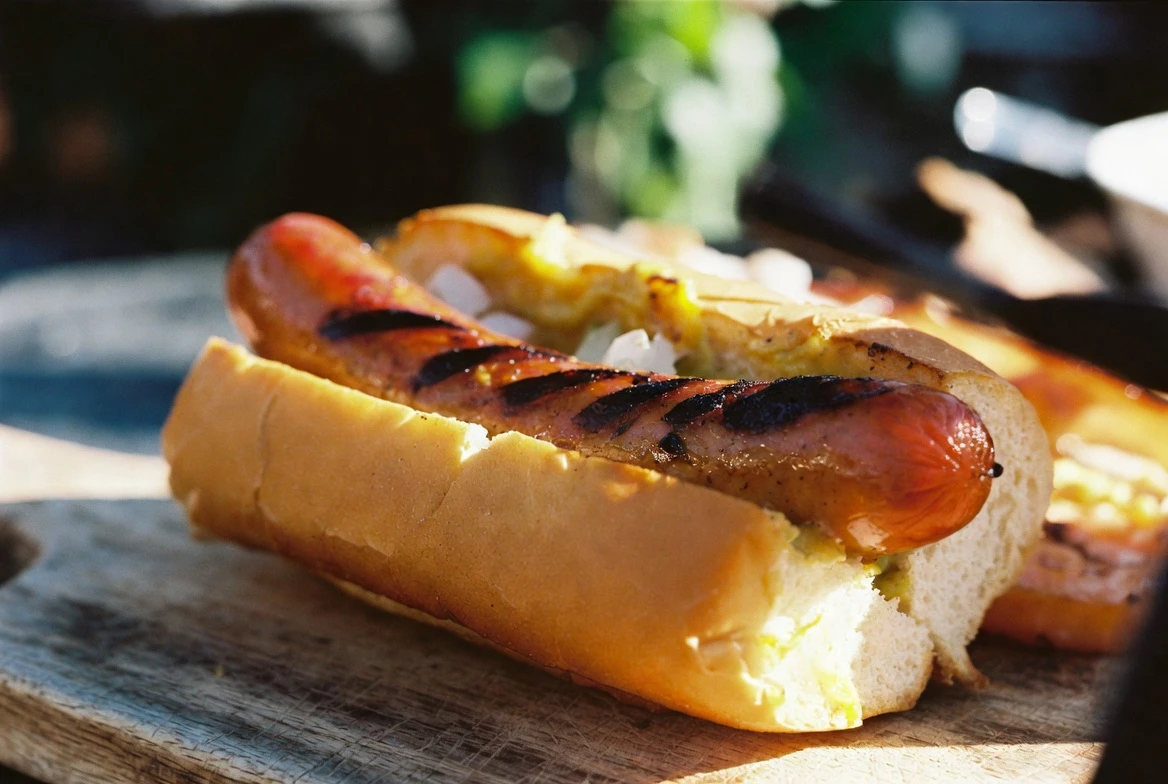
- Grill: beautiful grill marks, perfect color, and a less salty taste.
The Snap Starts at the Storefront
Before any cooking method matters, the choice in the supermarket sets the ceiling. López-Alt told NPR to look for a hot dog with a natural casing, and to skip the ones that pack flat in the package. “That’s what’s going to give you the snap no matter how you cook it,” he said.
Natural casings are made of lamb skins and give hot dogs a slight curve, which is the visual cue shoppers can use to spot them. Casing-less dogs pack flat into the package and stay straight on the bun, but they lose the audible snap when bitten. For a cookout built around the texture of the first bite, that distinction decides the rest of the meal.
“Low and slow is always a good idea with any kind of sausages,” López-Alt said. That principle, more than any specific appliance, drove the rest of NPR’s test. Each method was then ranked against it.
The 45-Second Microwave
The microwave was the fastest route and the worst result. NPR wrapped a hot dog in a paper towel and cooked it for 45 seconds. The skin split open, the ends shriveled, and the texture went limp.
Rascoe, who confessed to cooking hot dogs “hot and fast. And burnt,” watched the result and agreed. López-Alt conceded microwaves still earn a place in kitchens with kids. “I’ve cooked plenty of hot dogs in the microwave,” he said. “I’ve had to get food on the table as quickly as possible.” The concession was about getting dinner on the table fast.
The Air Fryer’s Edge
The air fryer closed most of the speed gap and won on texture. NPR’s four-method hot dog cooking report found that an air fryer cooked a hot dog nearly as quickly as a microwave and produced a snappier skin and much better flavor. The texture was the real upgrade over the microwave’s limp casing. The cook did not have to babysit the food.
The science is in the fan. López-Alt explained: “An air fryer has a very strong convection fan that’s pulling away excess moisture.” That pull is what crisps the casing without splitting it. The finished dog looked golden and the color was right, though NPR noted the shape came out a little misshapen.
Online cooks suggested scoring the skin to give the hot dog more surface area, and NPR confirmed it worked for Ballpark beef franks. López-Alt forbade the move for dogs with natural casings, where the cut would defeat the snap the casing is supposed to provide.
The Slow Cooker That Looked Dead
The slow cooker was the surprise of the test, in the worst possible way until it wasn’t. NPR put hot dogs in a slow cooker without any water for two hours on low heat. The dogs emerged wan, swollen, and unappetizing.
“It looks kind of dead,” Rascoe said, “as though everything good had been cooked right out of it.” Her first impression was that they belonged in the trash, not on a bun. “I would have been like, it’s NASTY!” she said.
Looks can be deceiving.
Rascoe, NPR’s host, conceded that the slow cooker had won her over once she bit in. The slow cooker brought out the hot dog’s deep, meaty flavor, the kind that holds up next to mustard, sauerkraut, and onions. The method also solved the cookout math: a few dozen could sit in the slow cooker for hours and stay ready for as long as the party lasts.
For a crowd-pleasing batch with a richer flavor, López-Alt shared a recipe from a Kentucky friend who puts cocktail weenies in a slow cooker with a cup of ketchup, a cup of brown sugar, and a cup of bourbon before a party. The color comes out dark. The flavor comes through. Hosts who skip the bourbon can use grape juice for a kid-friendly version.
The Grill Still Earns Its Stripes
The grill delivered the visual winner. NPR set a small Weber on a balcony at its own headquarters, then roasted the dogs away from the coals for a minute and a half to warm them through before moving them directly over the coals. The skin emerged with beautiful grill marks and a perfect color, sweating and crisp.
Rascoe, a daughter of North Carolina, found the grilled dogs less salty than other methods and reached for mustard, coleslaw, onions, and chili. López-Alt, a New Yorker, loaded his with sauerkraut and spicy mustard. Both agreed the grill delivered on texture and color. The toppings list mapped to which regional tradition each cook came from.
For most home cooks without a backyard grill, the air fryer comes closest to the look on the plate. For hosts feeding a crowd without time to stand over flames, the slow cooker does the work while the cook mingles with guests. The air fryer suits cooks who want to stand at the counter. The slow cooker suits hosts who want to hand off the heat.
Toppings Map to Region
The hot dog splits along regional lines long before the cooking method does. The most-cited regional combinations NPR collected:
- New York: sauerkraut and spicy mustard.
- North Carolina: mustard, coleslaw, onions, and chili.
- Seattle: warm cream cheese, jalapenos, and grilled onions.
López-Alt, a New Yorker who now lives and works in Seattle, has seen the warm-cream-cheese dog become a regional standard. His James Beard-winning cookbook catalog includes The Food Lab and The Wok. He called the Seattle combination an interesting variation if served with care. “If you get it right, with the right person, they’re an interesting variation,” he said. The regional toppings only work if the casing underneath holds up, which returns the choice to the grocery aisle.
Frequently Asked Questions
What is the best way to cook hot dogs for flavor?
NPR’s test ranked the slow cooker highest on flavor, even though the dogs looked pale and swollen after two hours on low heat. The grill came second, with the air fryer a close third on speed and snap.
How long should I microwave a hot dog?
NPR’s test wrapped a hot dog in a paper towel and microwaved it for 45 seconds. The skin split, the ends shriveled, and the texture went limp, which is why the method finished last in the test.
Does a natural casing matter?
Chef Kenji López-Alt told NPR the casing decides the snap. Natural casings are made of lamb skins, give the dog a slight curve, and pack loosely in the package. Casing-less dogs pack flat and lose the audible bite when eaten.
Can I score the skin before cooking?
Online cooks suggested scoring the skin to add surface area for crisping, and NPR confirmed it worked on casing-less Ballpark beef franks. López-Alt warned against scoring natural casings, where the cut removes the snap the casing is supposed to deliver.
What toppings go on a hot dog by region?
A New York dog uses sauerkraut and spicy mustard, a North Carolina dog uses mustard, coleslaw, onions, and chili, and a Seattle dog uses warm cream cheese, jalapenos, and grilled onions. López-Alt told NPR the regional lists keep growing and the casing underneath still has to hold up.
Is the slow cooker safe for hot dogs over a long party?
NPR kept dogs in a slow cooker for two hours on low heat without any water and the dogs held their flavor and texture. A few dozen could sit in the slow cooker for hours during a party, which makes the method practical for hosts who want to set up the food once and stay with guests.
NPR’s test gave each method a ranking on flavor, texture, and speed. Casing choice determines snap. Appliance choice determines flavor and texture. Topping choice determines the regional tradition. The three decisions happen at the store, in the kitchen, and at the table.