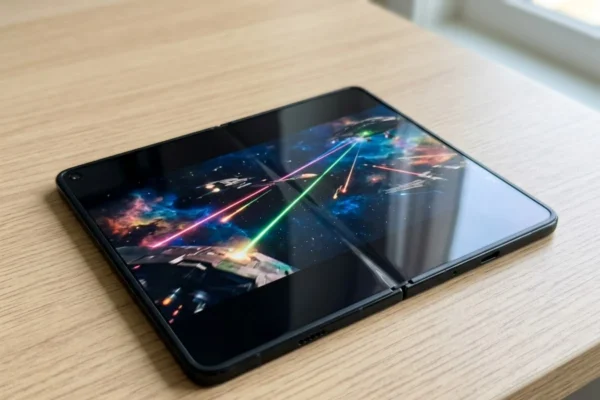
Google will stage the Pixel 11 series at its Made by Google event on August 12 in New York, with pre-orders opening the same day. The company is again betting that smarter silicon, a new modem and deeper Gemini tools can outrun familiar hardware and rising prices.
Four phones are expected: Pixel 11, Pixel 11 Pro, Pixel 11 Pro XL and Pixel 11 Pro Fold. Leaks describe an incremental design year powered by the Tensor G6 on TSMC’s newest node, a MediaTek modem that finally replaces Samsung’s, and a camera-bar light show called Pixel Glow. Battery capacities look flat. Storage starts at 256 GB. Effective entry prices climb.
Four Phones Take the Stage in New York
The event runs at 6 p.m. ET. Google traditionally follows with retail availability about a week later, pointing to late August shelves. The lineup mirrors last year’s shape: a compact base model, two Pro sizes and a Fold.
- August 12 – Made by Google event in New York at 6 p.m. ET, with pre-orders opening the same afternoon
- Late August – typical retail arrival about a week after the keynote, matching Google’s usual cadence
Display sizes stay put in the leaks. Base and Pro sit near 6.3 inches. The Pro XL holds the 6.8-inch slot. The Fold keeps its inner and outer panel pair. Brightness may rise, with some reports floating 3,100 nits on the base phone and higher peaks on the Pros.
- Pixel 11: everyday flagship, new main sensor expected
- Pixel 11 Pro and Pro XL: higher RAM ceilings, new main and telephoto sensors
- Pixel 11 Pro Fold: same Tensor and modem package in a foldable shell
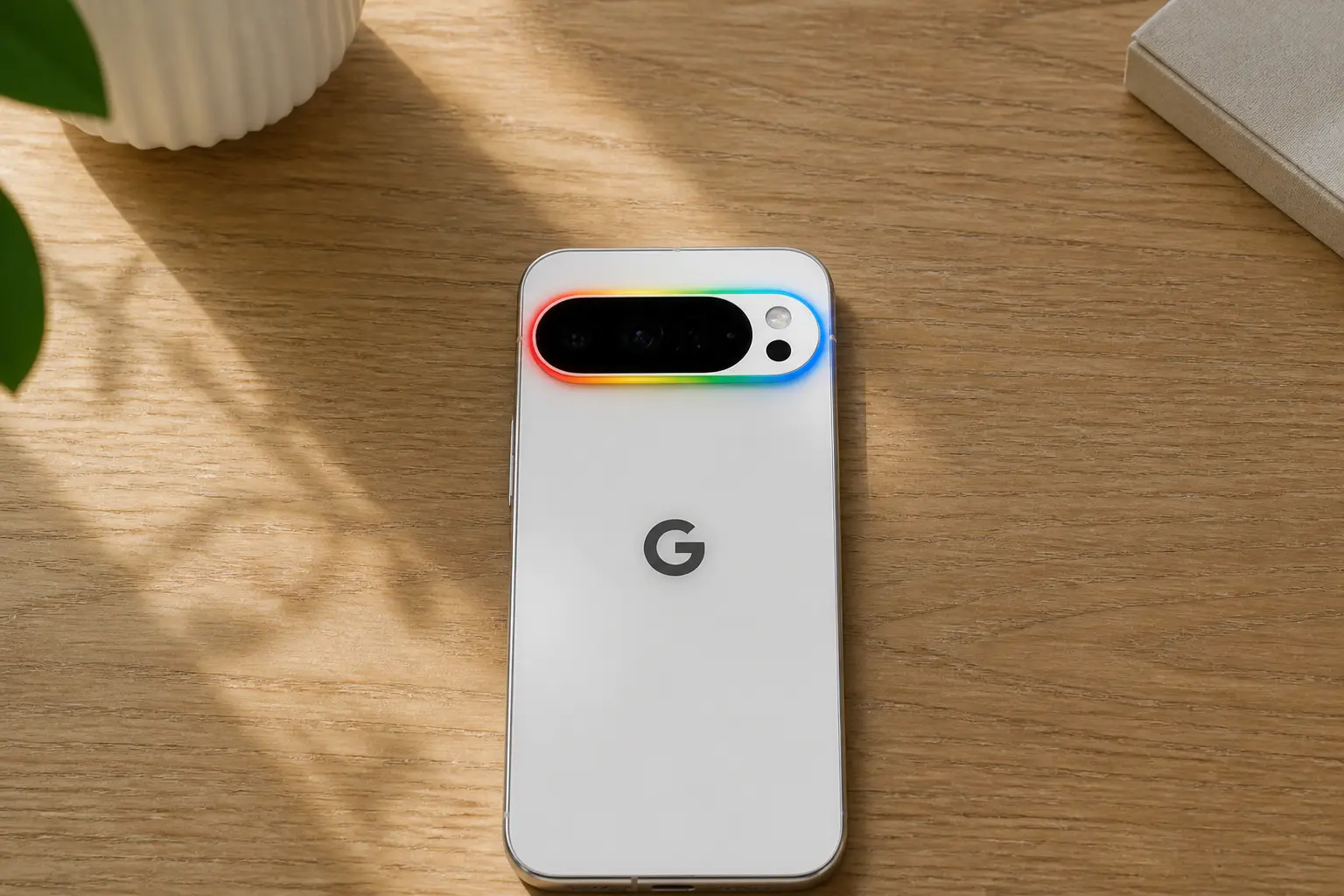
Colors shift toward Midnight Haze, Moss, Fuchsia, Pine and Dune finishes depending on model. The body language stays close to the prior generation, including the camera bar that now hosts the new light array.
That continuity is deliberate. Google is not asking buyers to relearn the product. It is asking them to accept a higher floor on storage and price in exchange for silicon and software gains that stay mostly under the skin.
Tensor G6 and the Modem That Could Matter More
The real hardware bet sits inside. Tensor G6 is expected on a TSMC 2nm process node. Leakers describe a 1+4+2 core layout built around an ARM C1-Ultra core clocked near 4.11 GHz, plus four faster and two efficiency C1-Pro cores. Google pairs it with an older PowerVR GPU, a refreshed Titan M3 security chip, a new TPU and a new image signal processor.
Google has long traded raw GPU muscle for AI and camera silicon. The 2nm shrink is meant to cut heat and draw. That matters because past Tensors ran hot and drank power under load.
The quieter change may be the modem. Google is dropping the long-running Samsung Exynos cellular silicon for a MediaTek M90. Reports cite higher peak speeds, better satellite support and roughly 18 percent lower modem power use. Modem efficiency has been a chronic Pixel battery drain. Separating the modem also removes a past security surface tied to Exynos firmware.
Taken together, the package aims at sustained loads rather than peak chart scores. On-device Gemini work, multi-lens camera pipelines and always-on radios all tax the same thermal and power budget. A cooler, thriftier modem frees headroom the new TPU and ISP can spend without the phone throttling as quickly as earlier Tensors did.
| Model | Display (rumored) | Battery (min. mAh) | RAM options |
|---|---|---|---|
| Pixel 11 | 6.3-inch 120 Hz AMOLED, up to ~2200 nits | 4,840 | 8 GB / 12 GB |
| Pixel 11 Pro | 6.3-inch LTPO 1-120 Hz, higher peak nits | 4,707 | 12 GB / 16 GB |
| Pixel 11 Pro XL | 6.8-inch LTPO | 5,000 | 12 GB / 16 GB |
| Pixel 11 Pro Fold | Outer ~6.3-inch / inner ~8-inch class | 4,658 | 12 GB / 16 GB |
A detailed Tensor G6 and camera sensor leak from Mystic Leaks supplied most of those figures earlier this year. Independent tests after launch will decide whether the efficiency claims hold.
Cameras Stay Software First With Fresh Sensors
Pixel photography still runs on computational photography more than megapixel counts. The base Pixel 11 and the Fold are expected to move to a new 50-megapixel main sensor, up from the prior 48-megapixel unit. Pro models reportedly gain new main and telephoto sensors under internal codenames.
Expect the usual suite: better low-light processing, improved portraits, object erase, framing help and video stabilization that leans on the new ISP and TPU. Video noise reduction and color matching across lenses remain open questions. Google has improved native video quality in recent years, yet the best results sometimes still arrive after cloud processing.
The sensor bump on the base model and Fold narrows one gap with the Pros on stills capture. The Pros still separate themselves with the extra telephoto hardware and higher RAM ceilings that keep more of the processing pipeline local. That split lets Google pitch a capable everyday camera on the entry phone while reserving the heavier multi-lens and on-device AI work for the tiers that carry more memory.
Deeper Gemini integration is the software side of the same bet. The phones should ship with Android 17 and multi-year OS plus security updates. Google has used long support windows as a premium selling point against rivals that taper sooner.
AI Features Likely to Headline the Keynote
- Contextual Gemini help across messages, photos, documents and web content
- Smarter call screening and live translation
- On-device summaries and writing tools that keep more work off the cloud
- Recorder and photo-editing upgrades that use the new TPU
- Personalised recommendations that stay inside tighter privacy controls
Privacy language will matter. Phones hold more personal context than ever, and Google has to show the controls keep pace with the features.
Pixel Glow Lights Up a Familiar Body
Design changes look modest. Thinner bezels, refined edges and better weight balance appear in the rumor mill, but the silhouette stays Pixel. The distinctive camera bar remains.
The visible novelty is Pixel Glow, an RGB LED array along the bar. It can pulse while you talk to Gemini, flash color-coded notifications when the phone sits face down, or simply light up. Leaks show support for multiple base colors. The idea echoes Nothing’s Glyph interface and the light ring on some Google smart speakers. Whether it feels useful or decorative will depend on software polish after launch.
Cases already leave cutouts for the LEDs, so the feature appears locked for all models, not just Pros. Temperature sensors on prior Pros may disappear in the swap.
Keeping Glow on every SKU avoids a visible class split on a bar that already defines the family. It also gives software teams one more surface for status cues without forcing users to wake the display. Usefulness still hinges on whether those cues stay glanceable and quiet rather than busy.
Storage Floor Rises and So Do Effective Prices
Google is expected to drop 128 GB base storage across the board. Every model starts at 256 GB, with 512 GB and 1 TB options higher up. That change alone lifts the real entry price even if the 256 GB SKU holds near last year’s number.
Rumor tallies put the expected starting prices near $899 for the Pixel 11 256 GB, about $1,099 for the Pro, $1,299 for the Pro XL and $1,899 for the Fold, with some European figures showing €100 jumps on the larger models. RAM SKUs also look mixed; lower-memory variants may return after Google had pushed 16 GB more widely.
| Model | Expected starting price | Base storage |
|---|---|---|
| Pixel 11 | near $899 | 256 GB |
| Pixel 11 Pro | about $1,099 | 256 GB |
| Pixel 11 Pro XL | $1,299 | 256 GB |
| Pixel 11 Pro Fold | $1,899 | 256 GB |
$899 base 256 GB Pixel 11 target
$1,099-$1,299 Pro range before Fold premium
256 GB new storage floor, 128 GB gone
Memory market pressure and AI silicon costs get the blame in coverage. Buyers who skip a year may still find strong deals on prior stock. Fans of the Pixel 10 color and telephoto upgrades will recognise the same playbook: modest hardware steps wrapped in software promises.
The storage floor change lands hardest on the base phone. Shoppers who once stretched to the cheapest Pixel now meet a higher ticket before they even open the RAM or color chart. Pro and Fold buyers already budgeted for premium SKUs; the jump is smaller in relative terms for them.
Battery Stigma Remains the Live Test
Pixel owners have complained about endurance for years. Capacities in the current leaks sit near or only slightly above the previous generation. Google is counting on the 2nm process, display tweaks, modem efficiency and software power management to deliver real-world gains without thick batteries.
Charging speed rumors stay quiet. The prior Pro XL already led the family on wired and Qi2 wireless speeds. Adaptive charging that learns habits should return to protect long-term battery health.
The efficiency stack is layered on purpose. Process shrink trims the SoC. The MediaTek M90 trims the radio. Display and software tweaks trim what remains. Flat milliamp-hour numbers only work if each layer delivers; any weak link puts the old drain story back on the table.
What We Know
- Event and pre-order date locked for August 12
- Four-model family including Fold
- Tensor G6 + MediaTek modem package widely reported
- New main sensors and Pixel Glow LEDs in multiple leaks
What’s Still Unconfirmed
- Final US pricing and exact regional variants
- Real battery life under mixed AI and camera loads
- Which Gemini features stay exclusive to Pro silicon or RAM tiers
- Native video quality without cloud assist
On X, early reaction already clusters around the same worry. One creator wrote that if Tensor G6 fails to leap on efficiency while prices rise and RAM options shrink, “it’s going to be a really hard recommendation.” Others simply note the battery numbers look “disappointed” again. The modem and process-node stories get more optimistic replies.
Google has publicly acknowledged past Tensor shortfalls on heat and drain. The G6 focus on efficiency over peak GPU scores is the open reply. An earlier Pixel benchmark edge over midrange rivals showed the company can still win where software and tuning matter. Flagship buyers compare against Apple and Samsung silicon that still lead pure performance charts.
The Modem Switch Reaches Past Peak Speeds
Higher peak throughput and better satellite support headline the MediaTek M90 pitch, yet the lasting effect may be quieter. Roughly 18 percent lower modem power use strikes at a drain Pixel owners have felt in daily carry, not only in speed tests.
Separating cellular silicon from the old Exynos path also trims a firmware security surface Google no longer has to carry. That matters as the phones pull more personal context into on-device Gemini tools. A cleaner modem boundary is one less place where radio code and assistant data share fate.
If the efficiency claim holds under mixed signal and AI loads, the flat battery capacities in the leaks become easier to defend. If it does not, the storage-driven price floor will face a harder crowd.
Software Promises Meet a Higher Starting Ticket
Google’s high-end pitch still rests on connected AI, camera pipelines and long software support rather than a pure hardware arms race. Android 17 at launch, multi-year OS and security updates, and deeper Gemini hooks are meant to make the higher starting ticket feel like service, not only metal.
- Long support windows framed as a premium edge against rivals that taper sooner
- On-device summaries and writing tools that keep more work off the cloud
- Camera and Recorder upgrades tied to the new TPU and ISP
- Privacy controls that must stay visible as personal context grows
That bundle has to clear a simple bar. Owners need to stop noticing the battery, and Gemini tools need to feel daily-useful enough that the 256 GB floor and the climb toward $899 and above do not dominate the first week of ownership.
The high-end strategy is clear. Google sells the connected AI, camera and software experience rather than a pure hardware arms race. Success now turns on whether the efficiency bet lands hard enough that owners stop noticing the battery, and whether Gemini tools feel daily-useful enough to justify the higher starting ticket. Independent reviews in the weeks after August 12 will decide if the wager pays.
Pre-order queues open the same afternoon the lights go up in New York. The phones that follow will show whether Google finally solved the problem that has limited Pixel share for half a decade.