New research shows that mRNA COVID-19 vaccines from Pfizer and Moderna can help some cancer patients live longer when combined with immunotherapy drugs. This finding, published on October 22, 2025, in the journal Nature, comes from studies at MD Anderson Cancer Center and the University of Florida, where patients with advanced lung or skin cancer saw big survival gains if they got the vaccine within 100 days of starting treatment.
How the Discovery Happened
Scientists looked at health records from over 1,000 patients treated between 2020 and 2023. They found that those who received an mRNA COVID vaccine near the start of immunotherapy had much better outcomes.
The key was not protection from the virus itself. Instead, the mRNA technology seemed to wake up the immune system, making tumors more visible to cancer-fighting cells.
This effect worked best for people with melanoma or non-small cell lung cancer. Researchers noted that the vaccine acted like a signal flare, boosting the body’s natural defenses.
Experts say this could change how doctors approach treatment for hard-to-treat cancers. More studies are planned to confirm these results.
Why mRNA Makes a Difference
mRNA is a molecule that tells cells how to make proteins. In COVID vaccines, it trains the body to fight the virus spike protein.
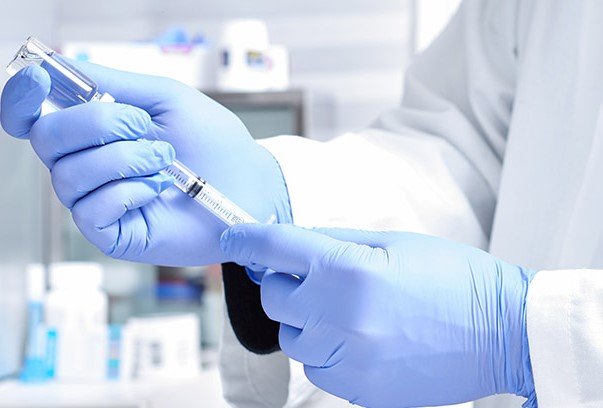
In cancer care, this same process appears to amp up immunotherapy. Drugs called checkpoint inhibitors help the immune system spot hidden tumors, but they do not always work well alone.
The new study found that adding an mRNA vaccine improved response rates by up to 50 percent in some groups. Patients who got the shot were twice as likely to survive three years.
Here are key benefits seen in the research:
- Longer overall survival times.
- Better tumor shrinkage in resistant cases.
- Stronger immune cell activity against cancer.
This builds on earlier work with mRNA for personalized cancer vaccines. Now, off-the-shelf options like COVID shots show promise without custom designs.
Real-World Impact on Patients
One patient story highlighted a man with stage 4 lung cancer. After starting immunotherapy and getting a Moderna vaccine, his tumors shrank faster than expected.
Doctors tracked similar cases across hospitals. Survival jumped from an average of 18 months to over 30 months for vaccinated patients.
The timing matters a lot. Vaccines given right before or during early treatment phases worked best.
| Cancer Type | Unvaccinated Survival Rate | Vaccinated Survival Rate |
|---|---|---|
| Lung Cancer | 40% at 3 years | 80% at 3 years |
| Skin Cancer | 35% at 3 years | 75% at 3 years |
This table shows data from the study, based on groups of 500 patients each. Results varied by age and health, but trends held strong.
Ongoing trials will test if other mRNA vaccines can offer even better results.
Challenges and Skepticism
Not everyone agrees on the benefits. Some online discussions raise concerns about mRNA safety, pointing to rare side effects or unproven links to other health issues.
However, major health groups like the World Health Organization back the vaccines’ safety record. They saved millions of lives during the pandemic.
Researchers stress that this use is for specific cancer treatments only. It does not mean vaccines cause or cure all cancers.
Balancing views, experts call for more data to address doubts. Public health leaders urge focus on proven science.
Future of Cancer Treatment
This research opens doors to new combos in oncology. Teams are designing mRNA vaccines just for cancer, building on COVID tech.
By 2026, clinical trials may pair vaccines with other therapies. This could help patients who do not respond to standard care.
Costs remain a hurdle. Immunotherapy drugs run high, and adding vaccines needs insurance support.
Still, the potential is huge. It might extend lives for thousands facing tough diagnoses.
What It Means for You
If you or a loved one has cancer, talk to your doctor about this. Not every case fits, but it could be an option.
Stay updated on health news. Share this article if it helped you, and comment below with your thoughts. What questions do you have about cancer treatments?