The Georgia Department of Public Health confirmed the first human case of West Nile virus in the Coastal Health District for 2026 on August 18. The patient is an adult resident of Chatham County, making this the second confirmed human case statewide so far this year.
Last year Georgia recorded 18 human cases and the Coastal District saw one. The new confirmation arrives three weeks after local mosquitoes first tested positive and inside a national season that opened earlier than any since 2004.
Chatham resident becomes Georgia’s second case
District officials said the individual is an adult living in Chatham County. No further personal details were released. CDC county-level data current as of the same day list one human disease case in Chatham that is non-neuroinvasive, plus one presumptive viremic blood donor, and a separate neuroinvasive case in Muscogee County.
West Nile virus is transmitted only by the bite of an infected mosquito. According to the Centers for Disease Control and Prevention, about 80 percent of people infected never develop symptoms. Those who do usually experience fever, headache, body aches, joint pain, vomiting, diarrhea or rash. A small fraction develop severe illness that attacks the central nervous system and can be fatal.
- 222 total U.S. human disease cases reported in 2026 as of August 18
- 156 of those classified as neuroinvasive
- 2 cases in Georgia residents
- 1 in the Coastal Health District
There is no vaccine and no specific antiviral treatment, only supportive care.
Mosquitoes turned positive first
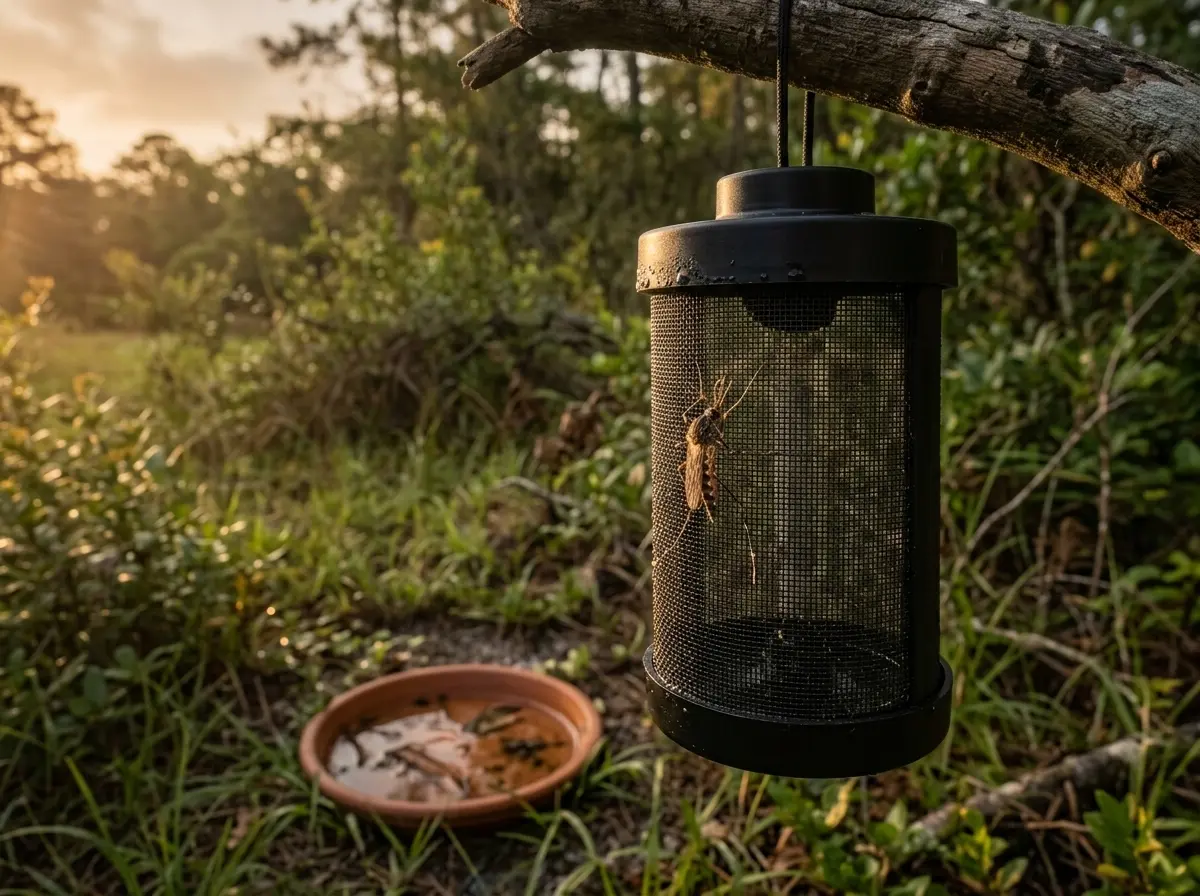
On July 29 the Coastal Health District announced that three mosquito samples in Chatham County tested positive for West Nile virus. Those were the first positive mosquito results of the summer in the eight-county district.
Chatham County Mosquito Control traps insects regularly and uses the results to guide spraying and public warnings. Peak mosquito season in coastal Georgia typically runs from late summer into fall, so the human case arrived right on the historical schedule even if the national calendar started early.
- July 29, 2026, Three Chatham mosquito pools test positive for WNV
- Early August, A hospital patient later clarified as having only old antibodies, not a new infection
- August 18, 2026, DPH confirms the first true human case of the year in the Coastal District
Nearby Beaufort County, South Carolina, has also reported additional positive mosquito samples in mid-August, showing the virus is circulating along the lower coastal plain.
National season opened weeks ahead of normal
By June 30 the CDC had already logged at least 48 human cases across 23 states, 38 of them neuroinvasive. That was the highest early-season total since 2004, when the average by the end of June was only about 10 cases. Dr. Erin Staples, a CDC medical epidemiologist, said the findings were “an important reminder that mosquito season is well underway.”
As of August 18 the national tally stood at 222 human disease cases nationwide as of August 18, with Arizona (76), Texas (31) and California (29) leading. Georgia’s two cases place it among the lower-count states, yet the early national activity means more mosquitoes have been infectious for longer.
| Jurisdiction | 2026 human cases (as of Aug 18) |
|---|---|
| United States total | 222 |
| Arizona | 76 |
| Texas | 31 |
| California | 29 |
| Georgia | 2 |
| Chatham County | 1 |
The same pattern of early detection appeared in other places. Philadelphia health officials, for example, found West Nile-carrying mosquitoes last year and issued the same bite-prevention advice that coastal Georgia is repeating now; readers can compare the similar mosquito detections and prevention steps in Philadelphia.
Georgia’s yearly counts stay modest
Coastal Health District figures show one human case in the district last year. Statewide, the Georgia Department of Public Health and CDC records list 18 cases in 2025. In 2024 the state saw a sharper jump to 53 human cases, with heavy concentrations in Fulton and DeKalb counties. From 2018 through 2022 the five-year total was 81 cases.
Most years the Coastal District records zero or one human infection. The 2026 confirmation therefore sits squarely inside the long-running local pattern even while the national numbers run hot early.
How infection happens and who faces higher risk
Birds are the main reservoir. Culex mosquitoes pick up the virus when they feed on infected birds, then can pass it to people. Humans and horses are dead-end hosts; they do not amplify the virus further.
About one in five infected people develop West Nile fever. Fewer than 1 percent develop neuroinvasive disease such as meningitis or encephalitis. Adults 60 and older and people with certain medical conditions face the greatest chance of severe outcomes. Symptoms usually appear within 14 days of a bite.
The Georgia Department of Public Health West Nile page stresses that diagnosis rests on clinical evaluation plus laboratory tests timed to the acute and convalescent phases of illness.
The five steps that still cut risk
With no vaccine available, the Coastal Health District and CDC return every year to the same practical measures. District materials list them as the Five Ds:
- Dusk/Dawn, Limit outdoor time when Culex mosquitoes are most active
- Dress, Wear loose long sleeves and pants
- DEET, Apply EPA-registered insect repellents with DEET or picaridin (or IR3535, oil of lemon eucalyptus, or PMD) to exposed skin
- Drain, Empty standing water from buckets, flowerpots, tarps and gutters at least weekly
- Doors, Keep screens intact and doors closed
CDC guidance adds that permethrin-treated clothing provides extra protection and that sunscreen should go on before repellent. Natural products that lack an EPA registration number have not been shown to work as well.
These findings serve as an important reminder that mosquito season is well underway. As families gather outdoors \ldots we encourage everyone to enjoy their holiday while taking simple steps to protect themselves and their loved ones from mosquito bites.
Dr. Erin Staples of the CDC said that in early July when the national early-season surge first became clear.
Peak months still ahead
Coastal Georgia’s mosquito season historically crests in late summer and early fall. The July mosquito positives and mid-August human case fit that calendar exactly. National totals will continue to climb through September and October as more states report.
Local mosquito-control programs will keep trapping and treating. Residents who eliminate backyard water sources and use repellent at dusk remove the two largest controllable risks. The 2026 Coastal case is the latest data point in a pattern that has repeated for more than two decades: low single-digit human numbers most years, occasional spikes, and the same short list of defenses that still work.
Frequently Asked Questions
What are the typical symptoms of West Nile virus?
Most infected people stay asymptomatic. Those who become ill usually develop fever, headache, body aches, joint pain, vomiting, diarrhea or a rash within two weeks of a bite; severe neuroinvasive disease with neck stiffness, confusion or paralysis is rare and requires prompt medical care.
How is West Nile virus spread to people?
Only through the bite of an infected mosquito, almost always a Culex species that previously fed on a bird carrying the virus; it is not spread person-to-person by casual contact.
Is there a vaccine or specific treatment for West Nile virus?
No licensed human vaccine exists and no antiviral drug targets the virus; care is limited to rest, fluids and treatment of symptoms or complications.
Who is at highest risk for severe West Nile illness?
Adults aged 60 and older and people with certain underlying medical conditions face the greatest chance of neuroinvasive disease, long-term disability or death.
How many human cases has the Coastal Health District seen in recent years?
The district recorded one confirmed human case in 2025 and now one in 2026; most prior years produced zero or one case, consistent with Georgia’s overall modest annual totals outside of occasional higher years such as 2024.
Disclaimer: This article is for general information only and is not a substitute for professional medical advice; consult a health-care provider for personal concerns.