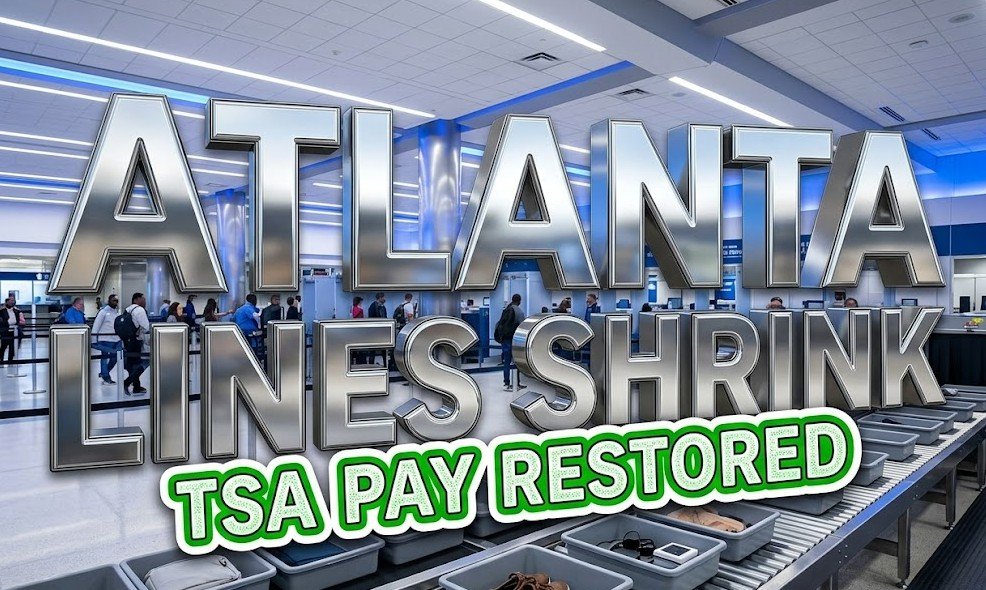
Travelers at the world’s busiest airport can finally breathe easier. After weeks of nightmare security lines that stretched outside the building and forced some passengers to miss flights, wait times at Hartsfield-Jackson Atlanta International Airport have dropped sharply. TSA officers began receiving back pay this week, and the results showed up almost immediately at checkpoints across ATL.
Lines that once took hours now move in minutes. Airport officials confirm the online wait time tracker is back online with reports under 10 minutes at all checkpoints. This marks a welcome turnaround from the chaos that gripped the airport for much of March.
What Caused the Chaos at Hartsfield-Jackson
A partial government funding impasse that started in mid-February left many TSA workers without regular paychecks. For six long weeks, officers showed up to work while waiting for money that covered their rent, groceries, and bills.
Atlanta felt the pain more than most cities. As the busiest passenger airport on the planet and a major Delta hub, Hartsfield-Jackson handles massive daily crowds. When call-out rates climbed near 40 percent, lines formed quickly. Some days passengers waited up to four hours. The airport even updated its website to recommend arriving four hours early for all flights.
TSA officers earn modest salaries that average around 35 thousand dollars a year. Many took second jobs or simply could not afford the commute during the pay delay. This created a snowball effect at one of the nation’s most critical travel hubs.
Back Pay Brings Relief and Faster Lines
On Monday, March 30, the first waves of back pay reached TSA workers following an executive order. Officers returned to posts with renewed energy.
Wait times plummeted almost overnight. Travelers reported moving through security in five to ten minutes during peak periods. The relief spread beyond Atlanta to other major airports facing similar staffing shortages.
Airport spokesperson Alnissa Ruiz-Craig shared the updated guidance. Passengers should still plan to arrive two hours before domestic flights and three hours before international ones. This matches the airport’s standard recommendation before the funding issues hit.
Some checkpoints even saw ICE agents assisting with crowd flow and identification checks. Several passengers posted positive experiences about quick service and friendly interactions during the transition.
How Travelers Reacted to the Long Lines
The past few weeks tested the patience of millions passing through Atlanta. Business travelers missed important meetings. Families worried about connecting flights. Vacationers started their trips stressed instead of excited.
One common story involved passengers sleeping on airport floors after missing flights due to security delays. Others shared videos of lines snaking through the domestic terminal and spilling toward baggage claim. The frustration was real and widespread.
Yet the human side of the story also includes the TSA officers themselves. Many worked without guaranteed pay while facing public anger at the checkpoints. Their financial strain added another layer to an already difficult job that demands constant focus and long hours on their feet.
Now that pay has started flowing, morale appears to be lifting. More officers are reporting for duty, which directly translates to more open lanes and shorter waits for passengers.
What This Means Moving Forward
The quick improvement shows how important consistent staffing is at major airports. Atlanta’s experience highlights the vulnerability of our air travel system when federal workers face payment delays.
While lines have improved dramatically, some uncertainty remains about future pay stability until broader funding questions get resolved. Airport leaders continue monitoring the situation closely and stand ready to adjust advice if needed.
Delta Air Lines, which operates its largest hub at ATL, had offered travel waivers for affected passengers during the worst of the delays. That flexibility helped many adjust plans without extra penalties.
Tips for Smooth Travel Through Atlanta Airport
Planning ahead remains your best defense against any future surprises at Hartsfield-Jackson. Here are practical steps that can make your trip easier:
- Check the official ATL wait times page right before you leave for the airport
- Use mobile apps from your airline for real-time gate and security updates
- Consider TSA PreCheck or CLEAR if you fly often through Atlanta
- Pack liquids and electronics in easy-to-access spots to speed up screening
- Build in extra time during peak travel days like Sunday evenings and Monday mornings
These small habits help reduce stress even when everything runs smoothly.
The recent events also remind everyone how much we rely on the dedicated people who keep airports secure and moving. Their work often goes unnoticed until something disrupts the flow. Now that normal operations are returning, passengers can focus again on the excitement of travel rather than the anxiety of long lines.
Flying through Atlanta should feel efficient and manageable. After weeks of challenges, the airport is heading back to the reliable experience millions expect from this vital transportation center. The relief is palpable for both travelers and the workers who make it all possible.