Celia stood ready to board her flight home to San Diego after a proud day at her stepson’s military graduation. Moments later ICE officers surrounded her at Atlanta’s Hartsfield-Jackson Airport. Days after that arrest she found herself deported to Mexico despite helping federal investigators expose sexual abuse inside a federal prison.1
The Arrest That Shattered a Family Moment
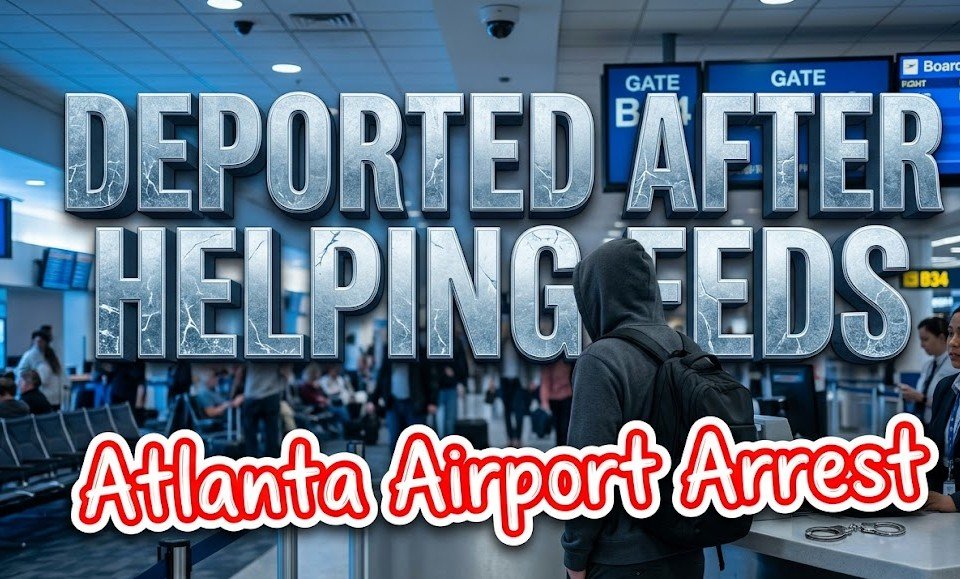
On March 12 2026 Celia waited at her gate in one of the world’s busiest airports. Gate agents called her name to the front desk. She turned around to see about 30 men approaching. They were ICE officers with a deportation notice.
Celia tried to explain her situation. She told them about her pending U visa and the serious backstory tied to it. A supervisor reportedly said it did not matter. She had a final deportation order and could wait for any visa processing in Mexico.
She had flown to Atlanta to celebrate her stepson’s milestone. That joy vanished in seconds. Officers arrested her right there in front of other passengers. That same night they sent her to Stewart Detention Center in Lumpkin Georgia.
Celia’s Brave Role in a Major Prison Scandal
Celia was born in Mexico and brought to the United States as an infant. She became a single mother of five children ranging from age 10 to 26. A past drug conviction cost her lawful permanent resident status and led to time at the Federal Correctional Institution Dublin in California.
While there she joined other women who reported widespread sexual abuse by staff. The facility earned the grim nickname “rape club” among those inside. Celia helped authorities build a case against a correctional officer accused of abusing her. That officer denies the charges and two trials ended in mistrials.
The broader FCI Dublin scandal shocked the nation. More than 100 survivors received a historic 116 million dollar settlement from the Bureau of Prisons. Nearly 300 additional women have come forward with claims. The prison eventually closed amid the fallout. Several staff members including high ranking officials faced charges and convictions.
Celia received compassionate early release in 2023. No ICE detainer appeared at that time. She applied for a U visa designed for victims of crime who assist law enforcement. The U.S. Attorney’s Office certified her application.
Harsh Reality Inside Stewart Detention Center
Stewart Detention Center run by CoreCivic holds nearly 2000 immigrants on an average day. Numbers have stayed high since the start of the second Trump administration.
Celia described tough conditions when she arrived. The facility felt cramped and cold. Blankets were in short supply. No bed waited for her that first night. She slept on a large plastic tub known as a boat on the floor.
Her attorney Susan Beatty received a recording from Celia inside the center. In it Celia spoke about the lack of basic comfort and the shock of her sudden detention. She made her last call to the United States from there before deportation.
The U Visa Promise That Fell Short
U visas exist to encourage victims to help prosecute crimes without fear of immediate removal. They offer temporary protection and a path to permanent status for those who suffer abuse and cooperate.
Celia’s attorney filed an emergency request for a stay of removal. The U.S. Attorney’s Office reportedly contacted the Department of Homeland Security on her behalf. No response came in time to stop the process.
ICE enforced the existing final deportation order. Officials moved quickly from arrest to detention to removal. Celia landed in Matamoros Mexico just days after the airport incident.
This case fits a larger pattern. Other FCI Dublin survivors who cooperated with investigators have faced similar detentions and deportations. Advocates say policy shifts in the current administration have reduced discretion that once protected such witnesses.
Timeline of Events
- March 11 2026: Celia attends stepson’s military graduation near Atlanta
- March 12 2026: Arrested at Hartsfield Jackson Airport while boarding flight to San Diego
- Same night: Transferred to Stewart Detention Center
- Days later: Deported to Matamoros Mexico
Broader Questions About Protecting Cooperators
Cases like Celia’s raise hard questions. When the government asks victims to testify against powerful abusers does it owe them real protection afterward? Many worry this deportation could make others hesitate to come forward in future investigations.
Immigration detention numbers have surged nationwide. Facilities like Stewart operate near or above capacity amid expanded enforcement. At the same time stories of difficult conditions continue to surface.
Celia took a risk traveling through Atlanta. She wanted to support her stepson during his important day. Now her family feels the pain of renewed separation. As a single mother she had worked to rebuild pieces of her life after prison and abuse.
Her story shows the human side of complex policy debates. It mixes pride in military service family bonds and the challenges of the immigration system.
This incident comes as ICE presence at major airports draws more attention. Agents appeared more visible at Hartsfield Jackson in recent weeks though Celia’s arrest happened earlier in March.
Advocates continue pushing for stronger safeguards for U visa applicants who have already helped law enforcement. They argue that final deportation orders should not automatically override certifications from prosecutors in abuse cases.
Celia’s experience leaves many wondering about the balance between enforcement priorities and basic fairness for those who aided justice. Her attorney continues working on possible legal avenues even after deportation.
The case of this FCI Dublin survivor highlights ongoing tensions in how the United States treats immigrants who step up as witnesses. It reminds us that behind every policy are real people with families and stories of survival.