Georgia State University has landed grants from two Atlanta foundations to expand a program that sends nurses and social workers into the homes of grandparents raising their grandchildren. The Molly Blank Fund of the Arthur M. Blank Family Foundation and the Fraser-Parker Foundation are backing Project Healthy Grandparents, which has served nearly 3,900 grandparents and grandchildren in metro Atlanta since 1995.
The program can enroll only 35 to 40 new families a year. Roughly 16,000 grandparents are raising grandchildren in the three counties it covers.
What the New Grants Will Pay For
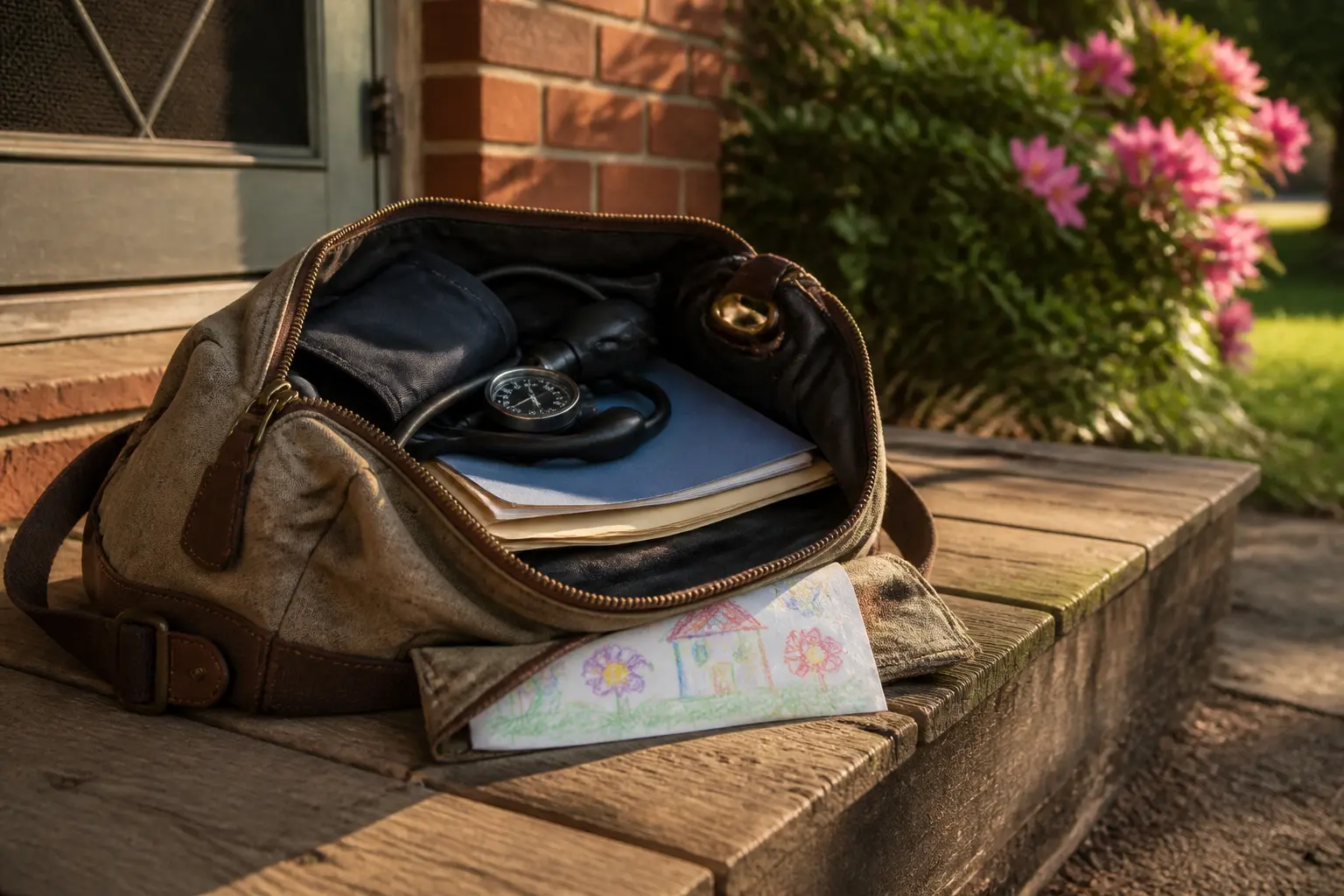
Project Healthy Grandparents runs out of Georgia State’s School of Public Health, inside the Mark Chaffin Centers for Healthy Development, which the program joined in 2025. Grandparents don’t pay for any of it. An interdisciplinary team of nurses and social workers visits homes, runs support groups and connects families to legal help and child care.
Patricia Lawrence directs the program and holds a research assistant professor post in the School of Public Health. She said the new money arrives as demand keeps climbing.
We appreciate the generous support of the Fraser-Parker Foundation and the Molly Blank Fund and value the crucial role these grants will play in the growth of the project’s scope and impact.
Lawrence, in the same statement announcing the grants, said the funding will work at the intersection of health, aging and child welfare to help empower families across metro Atlanta. Every year, the program logs a specific set of services:
- More than 500 registered nurse home visits
- 370 case management sessions
- More than 540 referrals for legal counsel, child care and other critical needs
- Weekly homework help for school-age grandchildren during the academic year
Those numbers describe a small, intensive operation built for families living at or below the poverty line, not a mass-enrollment service.
Georgia’s Undercounted Wave of Grandfamilies
The scale of the need dwarfs the program’s footprint. Georgia has 93,000 grandparents raising nearly 125,000 grandchildren statewide, according to the U.S. Census Bureau’s 2023 American Community Survey, as compiled by the Grandfamilies & Kinship Support Network.
| Geography | Grandparents Raising Grandchildren | Grandchildren Being Raised |
|---|---|---|
| Clayton, DeKalb & Fulton counties | About 16,000 | About 26,000 |
| Georgia, statewide | 93,000 | About 125,000 |
| United States | Not tracked as one national count | About 1 million with no parent in the home (2023) |
Nationally, about 2.5 million children were living in kinship or grandfamily households as of September 2024. Georgia’s three-county total, the same Clayton, DeKalb and Fulton footprint Project Healthy Grandparents serves, holds roughly 16,000 of those grandparent-headed households on its own.
Why Are More Grandparents Raising Grandchildren Now?
Grandparents step in most often when a parent cannot, because of drug addiction, incarceration, mental illness or death. The opioid epidemic pushed the number of affected children into the millions nationally, and Lawrence says the psychological toll on caregivers has grown sharply in just the past few years.
Lawrence has pointed to that rising distress as the reason donor support matters now more than it used to. The pattern isn’t new, but it has held steady for years. The U.S. Senate’s Special Committee on Aging has held multiple hearings on grandparents forced into caregiving by the opioid crisis, and researchers have tied rising numbers of relative caregivers to substance use, parental incarceration and, more recently, parental deaths during the pandemic years.
Georgia’s own child welfare system reflects the same pressure. Caseworkers increasingly try to place children who cannot stay with a parent directly with relatives rather than with strangers, a practice the state formalized well before this year’s grants arrived.
The Math Georgia’s Budget Doesn’t Advertise
Every grandparent who keeps a grandchild out of the formal foster system saves the state money it would otherwise spend on paid placement. Georgia’s Division of Family and Children Services, known as DFCS, runs what it calls a Kinship Continuum: voluntary arrangements that keep children with relatives before a case ever opens, and kinship foster care for children who must formally enter state custody.
- $2,650 a month: the average Georgia spends per child in formal out-of-home care, according to state child welfare filings, or close to $31,800 over a full year
- 15,650 children: how many were in Georgia’s foster care system on any given day, per the same filings
- $10.5 billion a year: what kinship caregivers save U.S. taxpayers nationally by keeping children out of paid foster care
- 70%: the share of grandfamilies nationwide that receive no financial assistance at all
Project Healthy Grandparents doesn’t place children with relatives. It supports grandparents who have already taken that step on their own, unpaid, often at real cost to their own health and finances. The state’s kinship strategy leans on exactly that unpaid labor, and the program reaches a fraction of the households doing it.
Two Foundations With Different Roots
The Molly Blank Fund is a founder initiative of the Arthur M. Blank Family Foundation, established after Molly Blank’s death in 2015 at age 99 to continue causes she believed in. She was known for saying that everything people strive to do in life is a gift, and that it’s everyone’s responsibility to share it and give back to the world. The fund’s current priorities are outlined on the foundation’s own giving page.
The Fraser-Parker Foundation is older and structured differently. Established in 1987, it’s a private family foundation that funds the arts, education and community well-being through long-term relationships with the nonprofits it backs, rather than one-off gifts.
Neither foundation’s grant amount was disclosed in Georgia State’s announcement. Michael Rohling, senior director of advancement communications at Georgia State, is the university’s point of contact for the funding.
Three Decades of Evidence Behind One Program
From One Nurse’s Idea to a Federally Backed Model
Susan J. Kelley, a nursing professor, founded Project Healthy Grandparents in 1995. Three decades later, it has secured more than $5 million in combined federal, state and private funding over its lifetime, on top of the new grants. Independent reviewers have taken notice: the California Evidence-Based Clearinghouse for Child Welfare lists the program after finding that participants’ psychological distress scores dropped significantly between intake and follow-up testing.
Who Walks Through the Door
About 98% of the program’s clients are African American women, ranging from 37 to 84 years old with an average age of 56, each raising an average of 2.4 grandchildren. Most qualify because no parent is present in the home and household income sits at or below the poverty line.
The next intake cycle opens this fall with room for 35 to 40 families, a fraction of the roughly 16,000 grandparents raising grandchildren across the three counties the program serves.
Frequently Asked Questions
How Do Grandparents Get Help Through Project Healthy Grandparents?
Families in Clayton, DeKalb or Fulton counties can start through the program’s own site, where staff outline eligibility and referral steps for new families. Applicants generally need no parent present in the home and income at or below the poverty level. Services, including nurse visits, case management and legal referrals, are free.
How Many Grandparents Are Raising Grandchildren Nationwide?
About 2.5 million children were living in kinship or grandfamily households across the United States as of September 2024, spread unevenly across states and unevenly documented, since no single federal count tracks grandparent caregivers the way it tracks the formal foster system.
What Is Georgia’s Kinship Continuum?
It’s DFCS’s term for a two-track approach to keeping children with relatives. One track is voluntary, arranged before a formal case ever opens. The other, kinship foster care, applies once a child has formally entered state custody but is still placed with a relative rather than a stranger.
Who Was Molly Blank?
Molly Blank was an Atlanta philanthropist honored through the Molly Blank Fund, one of the founder initiatives of the Arthur M. Blank Family Foundation, created after her death in 2015 at age 99. She was known for the belief that giving back was a responsibility, not a choice.
Is Project Healthy Grandparents Free for Families?
Yes. Nurse visits, case management, support groups and referrals all come at no cost to eligible grandparent-headed households. The program runs on grants, including the new ones from the Molly Blank Fund and the Fraser-Parker Foundation, rather than fees charged to families.