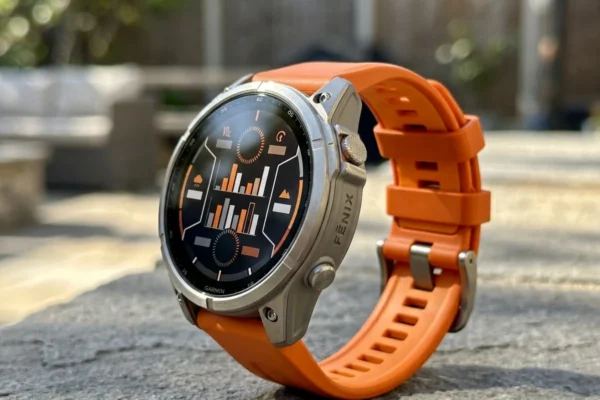
Redmi confirmed the K100 Pro will run a Snapdragon 8 Elite Gen 5 V chipset (SM8850-1-AB) that scored 4.09 million points on AnTuTu V11, paired with a dedicated graphics chip, 3D circulating cold-pump cooling and a 6.59-inch 185Hz AMOLED, for a price around CNY 4,000 ahead of the August 11 China launch with the Pro Max.
The numbers look like a step down from the sibling on paper. That is the point Redmi is selling.
The V Chip Posts a Lower Score Than Its Sibling
Redmi’s Weibo posts put the K100 Pro on the new V-series silicon. Qualcomm lists the part with the same two Oryon prime cores up to 4.6 GHz and six performance cores up to 3.62 GHz as the regular 4.6 GHz Snapdragon 8 Elite Gen 5, plus an Adreno GPU at 1.2 GHz.
The documented hardware difference sits in the graphics memory. The V-series brief specifies 12MB of dedicated Adreno HPM memory. The standard platform brief lists 18MB Adreno High Performance Memory on the standard part.
Xiaomi previously claimed the K100 Pro Max, running the regular Elite Gen 5, hit 4.55 million on the same AnTuTu V11 test. The Pro’s internal run landed at 4.095 million. That gap is real and public.
| Model | Chipset | AnTuTu V11 | Adreno HPM | Display size |
|---|---|---|---|---|
| K100 Pro | Snapdragon 8 Elite Gen 5 V (SM8850-1-AB) | 4.095 million | 12 MB | 6.59-inch |
| K100 Pro Max | Snapdragon 8 Elite Gen 5 (standard) | 4.55 million | 18 MB (standard) | 6.9-inch |
Qualcomm still markets both with the same “Game smarter, not harder” line and the full suite of Snapdragon Elite Gaming features, including Unreal Engine 5 support, Tile Memory Heap and Mesh Shading. The V part simply ships with less graphics cache.
Discrete Graphics and the Cold-Pump Stack
Redmi is not leaving the chip alone. The company confirmed a dedicated AI gaming graphics chip (also called an AI-powered discrete graphics chip in some posts) and a “Raging Engine” software layer meant to lift sustained performance.
Thermal hardware is the 3D circulating cold-pump cooling system. Redmi positions it to keep the phone from throttling in long sessions. Earlier Pro Max gaming tests pointed to a large circulating cold-pump area and no traditional fan in the same way some RedMagic or Legion models use one.
- Dedicated AI gaming graphics chip alongside the Snapdragon V
- 3D circulating cold-pump vapor chamber for heat
- Raging Engine performance layer
- 185 Hz panel with high touch sampling claimed for game support
Crowd discussion on X has focused on the battery side as well, with fan tallies floating 8580 mAh for the Pro and 9070 mAh for the Pro Max plus 100 W wired and 50 W wireless. Those figures remain unconfirmed in the official Weibo teases, so they sit as rumor until launch day. The confirmed cooling and discrete silicon already show Redmi’s bet: keep frame rates steady rather than chase the absolute peak synthetic number.
What the 185 Hz Panel Delivers
The display is a 6.59-inch flat AMOLED using Redmi’s M11 light-emitting material and Super Pixel full-RGB sub-pixel arrangement. Peak brightness is listed at 4,500 nits. Instant touch sampling reaches 4,800 Hz. Redmi says the new green material lifts luminous efficiency 20 percent over the prior generation.
185 Hz refresh rate on a sub-7-inch flagship killer is the headline claim. Few titles support anything near that, yet the panel also targets smoother scrolling and lower motion blur in the games that do.
- 6.59-inch flat OLED with M11 material
- 185 Hz refresh and 4,800 Hz touch sampling
- 4,500 nits peak brightness
- Super Pixel full RGB arrangement
The Pro Max moves to a larger 6.9-inch panel with the same refresh-rate target. Both phones share the Bose-tuned speaker branding on the camera island.
Firefly Light Chaser Turns the Back Into a Canvas
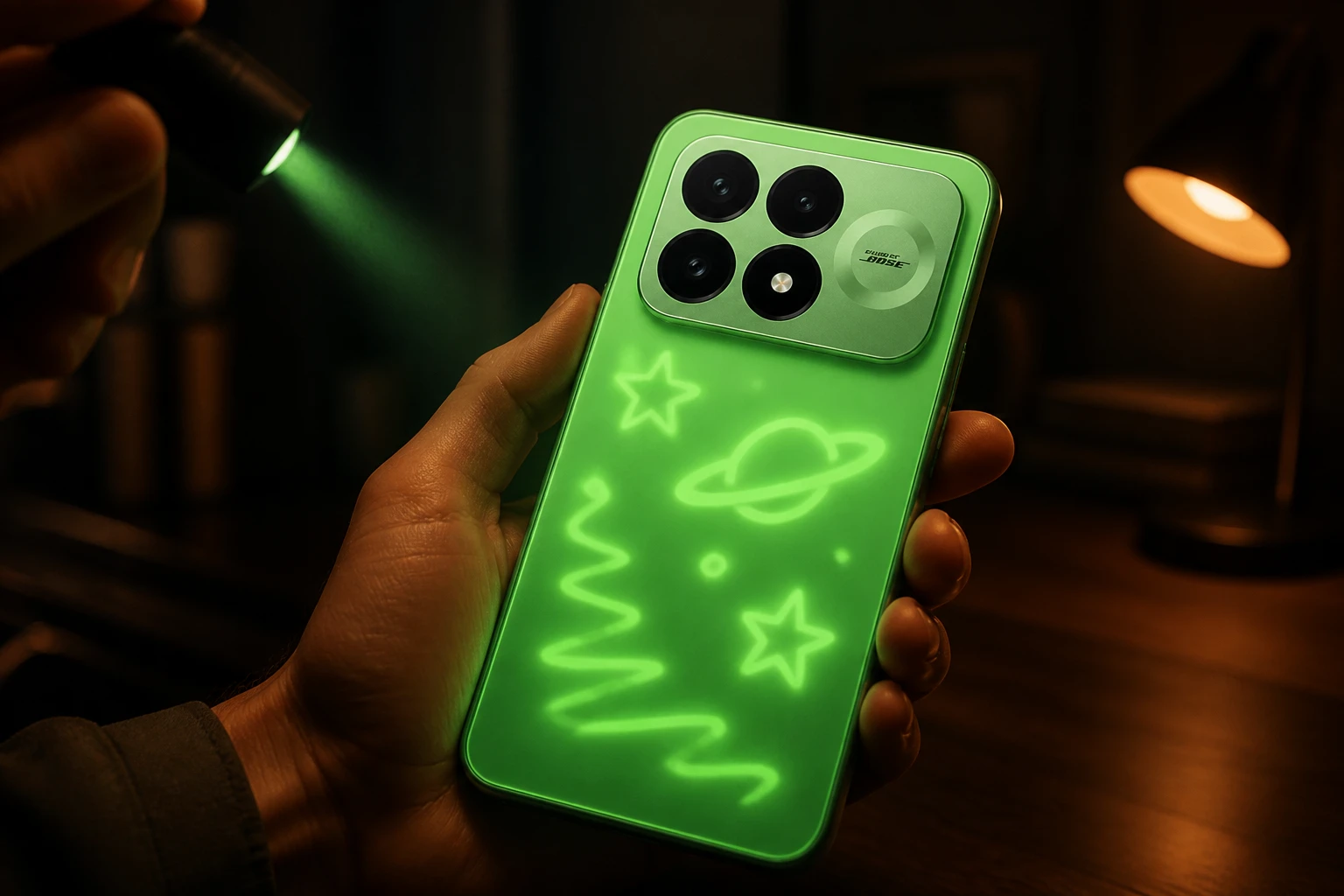
Color options include White and the special Firefly Light Chaser (also called Glowing Firefly). Redmi placed luminescent material between the glass back and green ink layer. After the panel absorbs light from a flashlight or bright source, it glows in the dark. Users can draw temporary patterns that fade.
Daylight finish is a translucent green; the metal frame and camera island match. The effect is pure novelty, yet it gives the cheaper of the two models a visual hook the Pro Max’s Cabernet Red does not share. Redmi has leaned hard into unique finishes lately, similar to how it locked final color options for the Note 17 series just before that launch.
Design language otherwise mirrors the Pro Max: large rectangular camera housing, triple rear cameras, flat rear, side buttons on the right. Sound by Bose branding sits on the module.
CNY 4,000 Puts It Below the Full Flagship Killer Ceiling
Redmi says the K100 Pro will land around CNY 4,000 (about $592). That sits well above earlier K90 starting prices near CNY 2,800 yet under typical ultra-premium China flagships. Pre-orders are already live in China for both the Pro and Pro Max.
The price gap creates a clear choice. Buyers who want the highest AnTuTu number, larger screen and standard Elite Gen 5 with full 18 MB HPM lean Max. Buyers who want the glow finish, slightly smaller body and the same high-refresh gaming stack with extra cooling silicon lean Pro. Both share the August 11 stage.
Historical Redmi K pricing has always been aggressive. The K100 Pro keeps that pattern while adding discrete graphics hardware that used to live mainly on more expensive gaming-phone SKUs.
August 11 Launch and the Poco Path
Both models launch in China on August 11. Redmi has drip-fed Weibo posts for days: chip confirmation, AnTuTu, cooling, display, then the Firefly finish.
- Late July 2026, Launch date and Pro Max design first shown
- Early August, Pro Max gaming tests and battery rumors surface
- August 4, K100 Pro V-chip, 4.09 M AnTuTu, dedicated graphics and Firefly color confirmed
- August 11, Official China launch event for both phones
Past K-series phones have reached Europe and other markets under Poco branding. Gizmochina and others already flag the Poco F9 Pro and F9 Ultra as the expected global rebadges of the K100 Pro and Pro Max. Same silicon, same cooling stack, different name and possibly adjusted pricing.
The V-series itself is new. Qualcomm now lists multiple Elite Gen 5 cuts: standard, higher-clock Samsung/RedMagic variants, a 7-core foldable part, and this 12 MB HPM gaming-oriented V. Redmi is the first to ship the V. That gives the company a unique SKU story even if the peak synthetic score trails its own Pro Max.
Whether the discrete graphics chip and cold pump close the real-world gap is the question reviewers will answer after August 11. On paper Redmi has built a lower-scoring chip into a complete gaming package and priced it to move.
The glow-in-the-dark back is the detail that will sell the photos. The V-chip and cooling stack are the details that will decide whether the phone holds frame rates when the battery drops below 30 percent.