The Motorola Edge 70 Pro Plus arrives in India on June 4, and the spec sheet Motorola has already confirmed reads like a flagship that wandered into the wrong price bracket. A 50MP periscope telephoto with 3.5x optical zoom, a 5,200-nit display and a 6,500mAh silicon-carbon battery sit behind an expected tag of Rs 47,999 to Rs 56,999 (roughly $560 to $665), pitched squarely at buyers who want flagship camera reach without paying flagship money.
Here is the catch. The single feature Motorola leans on hardest, the periscope zoom lens, is no longer the flagship-only luxury it was two years ago. By the time the phone goes on sale, it walks into the busiest and most premium-leaning fight in the Indian market.
Launch Date, Price, and Where to Buy It
The phone goes on sale through Motorola’s own India storefront, Flipkart, and select retail outlets. Final pricing lands on launch day, but the industry consensus puts the base 12GB RAM and 256GB storage model around Rs 47,999, with a higher-memory variant climbing toward Rs 56,999. That positioning matters, because it drops the device into India’s fastest-growing money band.
Counterpoint Research data shows the premium tier, phones above Rs 30,000, expanded to a record 22% share of shipments, and the ultra-premium band above Rs 45,000 hit its highest-ever share in the final quarter of 2025. Motorola is not chasing volume here. It is chasing the part of the market where the average selling price keeps climbing.
You can read the full quarterly breakdown in the India smartphone market-share tracker, which has charted the steady drift of buyers toward the Rs 45,000-plus shelf over the past two years.
The Periscope Lens Carries the Pitch
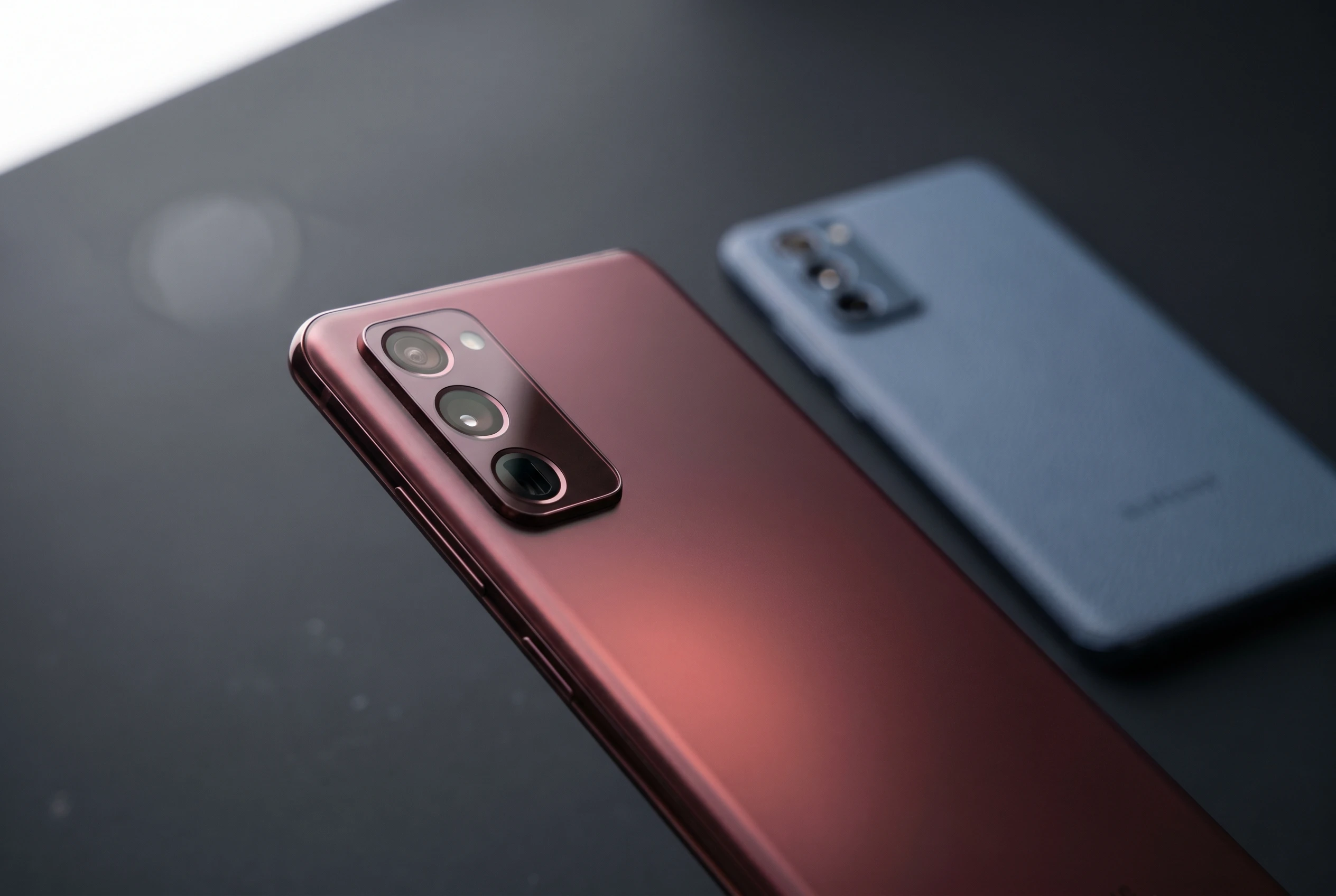
Everything Motorola has teased this week circles back to one component. The Pro Plus is the first phone in its Edge 70 family to carry a periscope telephoto module, and that lens is the clearest reason to choose it over the cheaper sibling.
How the Zoom Stack Works
The rear array runs three 50-megapixel sensors. A 50MP Sony Lytia 710 wide sensor with optical image stabilisation (OIS, hardware that physically counters hand shake) handles the main shots. A 50MP ultrawide adds autofocus, which is rare at this price and lets the lens double for macro work. The headline piece is the 50MP periscope, delivering 3.5x optical zoom with its own OIS, backed by a 50x AI Super Zoom Pro mode for longer reach.
For wildlife, stage shows, cricket from the upper tiers, or tight portraits, that optical reach is a genuine jump over any phone in Motorola’s mid-range. Optical zoom keeps detail that digital crop throws away, and the stabilisation makes the long end usable handheld rather than a gimmick.
Video and Selfie Numbers
Video recording tops out at 4K HDR10+ at 60 frames per second, and slow-motion capture runs to 4K at 120fps, both unusually high ceilings for the segment. The front camera is a 50MP unit with autofocus, so selfies and video calls hold focus as you move rather than locking to a fixed plane.
Periscope Zoom No Longer a Flagship-Only Feature
This is where the celebration needs a footnote. Two years ago a periscope lens marked a phone as a flagship. In May 2026, the sub-Rs-50,000 shelf is already stacked with them, which blunts the Pro Plus’s biggest selling point before it even ships.
Rivals already on sale offer their own folded zoom optics in the same money. Here is how the field lines up on the feature Motorola is built around.
| Phone | Approx. price | Periscope zoom | Standout |
|---|---|---|---|
| Motorola Edge 70 Pro Plus | Rs 47,999 onward | 3.5x optical | 5,200-nit display, slim periscope body |
| Realme GT 7 Pro | Rs 48,999 | 3x optical | Flagship-tier chipset |
| Vivo T4 Ultra | Sub-Rs 50,000 | Periscope zoom | Flagship-level performance focus |
| Oppo Reno 15 | Sub-Rs 50,000 | Periscope zoom | Strong low-light camera tuning |
So Motorola does not win on the simple existence of a zoom lens. Its case rests on the bundle around it: a brighter panel, a slimmer chassis despite the periscope module, and wireless charging that several rivals skip. The moat has cracks, and Motorola’s job on launch day is to argue the rest of the package fills them.
Where the Pro Plus Outspends Its Price Tag
Strip away the camera debate and the hardware still punches above the price. A few spec lines here would sit comfortably on a phone costing 50% more.
- 5,200 nits of peak brightness on a 6.8-inch quad-curved AMOLED, with 144Hz refresh, HDR10+ and Pantone-validated 10-bit colour.
- 6,500mAh silicon-carbon battery in a body that measures 7.19mm to 7.34mm thick and weighs 190 grams.
- 90W TurboPower wired charging plus 15W wireless, 10W reverse wireless, and 5W reverse wired top-ups.
- IP68 and IP69 dust and water ratings, MIL-STD-810H durability, and Corning Gorilla Glass 7i up front.
Display and Battery
The 5,200-nit figure is a peak HDR number rather than a sustained reading, but even the typical brightness should crush glare in peak Indian summer sun. The quad-curved glass trims the bezels on all four sides. On power, a silicon-carbon cell packs more capacity into less volume than older lithium chemistry, which is how Motorola fits 6,500mAh into a sub-7.5mm frame.
Chip, Software, and Build
Inside sits the MediaTek Dimensity 8500, badged Extreme in Motorola’s marketing, paired with 12GB LPDDR5X RAM and 256GB UFS 4.1 storage. That chipset clears roughly 2.4 million on AnTuTu, comfortable for gaming and heavy multitasking; the official rundown lives on the Dimensity 8500 product page. UFS 4.1 storage speeds up app loads and large file transfers over the UFS 3.1 most rivals still use. Software is Android 16 under Motorola’s Hello UI, promised three OS upgrades and five years of security patches, while the Gorilla Glass cover material and twin IP ratings handle the abuse.
Buyers also get three Pantone-curated finishes: a satin-luxe deep maroon called Zinfandel, a twill-textured blue named Stormy Sea, and a wood-grain gold dubbed Chicory Coffee. Connectivity covers 5G, Wi-Fi 6E, Bluetooth 5.4 and NFC, with dual stereo speakers tuned for Dolby Atmos.
Pro Plus Versus the Standard Edge 70 Pro
The non-Plus Motorola Edge 70 Pro is already on sale at Rs 38,999, and it is a strong phone in its own right. The premium you pay for the Plus buys a short, specific list of upgrades rather than a wholesale rethink.
- The 50MP periscope telephoto, absent entirely on the standard Pro, which has no dedicated optical zoom lens.
- Wireless and reverse-wireless charging, which the Edge 70 Pro skips.
- A larger 6,500mAh battery and the brighter 5,200-nit panel ceiling.
If you shoot a lot of distant subjects and want the convenience of dropping the phone on a charging pad, the Plus is the more complete buy. If your photography rarely passes 2x and you charge by cable anyway, the cheaper Pro covers most of the same ground. Motorola’s recent run of devices, from the earlier Edge 70 Pro India launch to the battery-first Edge 70 Fusion with its Sony Lytia sensor, shows the same playbook: a tight spec list, aggressive pricing, one or two headline features per tier.
Whether the step-up over the Pro is worth the extra spend comes down to one number Motorola has not yet revealed. If launch-day pricing holds near Rs 47,999, the periscope and wireless charging make a clean value argument; if it drifts toward Rs 56,999, the Plus starts trading blows with rivals that already match its zoom and out-muscle its chip.
Frequently Asked Questions
When does the Motorola Edge 70 Pro Plus go on sale in India?
It launches on June 4, 2026, with sales through Motorola’s India website, Flipkart and select retail stores. Final pricing is confirmed on launch day.
How much will the Motorola Edge 70 Pro Plus cost?
Industry estimates place it between Rs 47,999 and Rs 56,999 depending on the memory configuration. Motorola will confirm exact figures on June 4.
What zoom does the periscope camera offer?
The 50MP periscope telephoto delivers 3.5x optical zoom with optical image stabilisation, extended by a 50x AI Super Zoom Pro mode for longer-range digital shots.
Does the Edge 70 Pro Plus support wireless charging?
Yes. It offers 15W wireless charging and 10W reverse wireless charging, alongside 90W wired TurboPower and 5W wired reverse charging. The standard Edge 70 Pro skips wireless charging entirely.
Is the Pro Plus worth more than the standard Edge 70 Pro?
It depends on your needs. The Plus adds the periscope zoom lens, wireless charging, a 6,500mAh battery and a brighter display. If you shoot distant subjects or value wireless top-ups, the upgrade pays off; otherwise the Rs 38,999 Pro covers most bases.