Former Pussy Riot member Rita Flores, whose real name is Margarita Konovalova, says Russia’s Federal Security Service coerced her into three years of spying on artists and activists under the codename Harley, then ordered her to help abduct and kill her ex-partner Pyotr Verzilov. She fled Russia about ten days before speaking out in a Port Media interview with lawyer Dmitry Zakhvatov, who arranged her exit after roughly a year of preparation.
The detailed account published by The Insider and the video interview lay out the threats, monthly payments and a Serbia café trap. Flores says she sabotaged what she could. Zakhvatov has opened a quiet channel for others in the same bind.
The Table Where They Made Her Sign
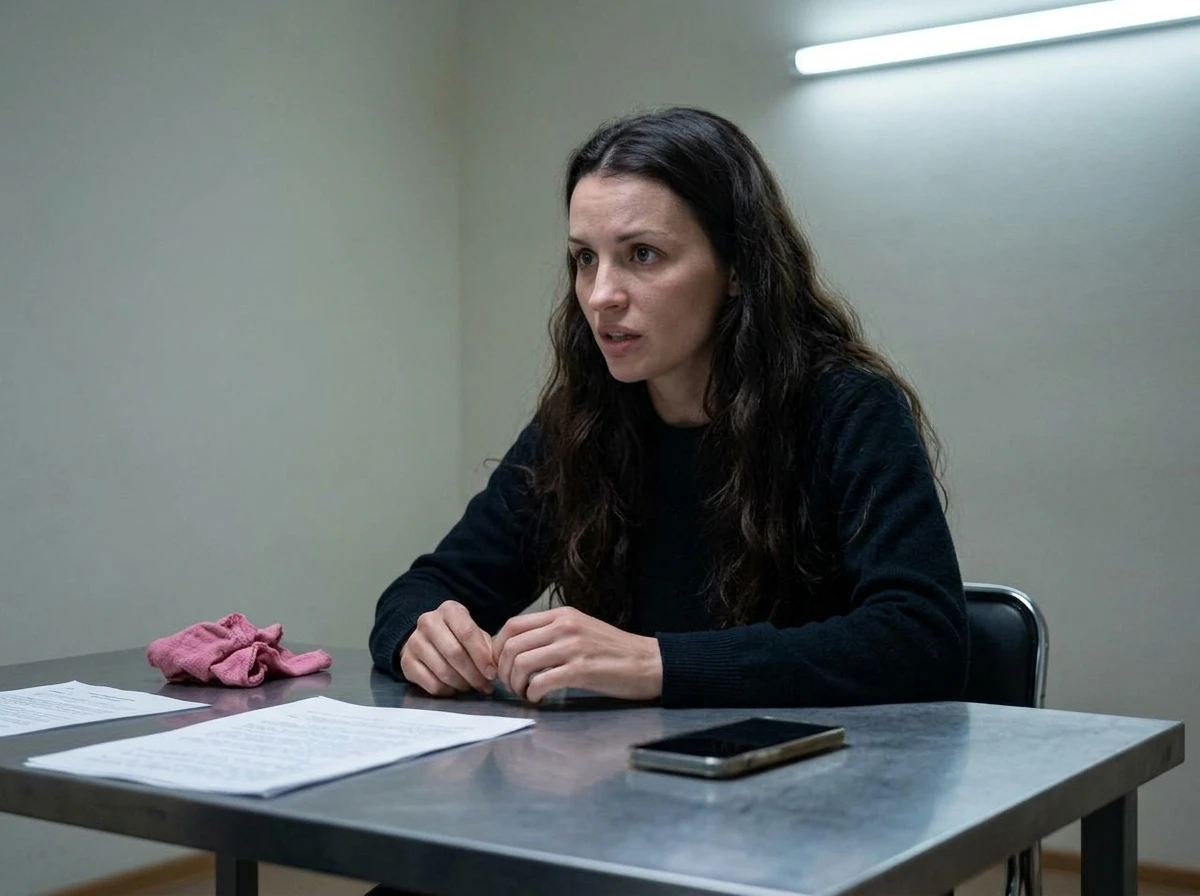
On 17 February 2023, after a search of her Moscow apartment that seized her phone and laptop, two FSB officers stayed with Flores for hours. Media initially reported she had been taken to the Investigative Committee. She says she never left home.
“It was just like in the movies: we sat down at the table, and I wasn’t allowed to move or look away,” she told the interview. Officers threatened criminal charges over her posts about Russian killings of civilians in Bucha and physical violence against her and her mother. They called her vile names and said they would turn her into “the ultimate Satan of all Russia.”
Zakhvatov told The Insider the final search followed prolonged pressure: multiple detentions, temporary holding centers, surveillance and earlier searches. One officer spoke gently before the second applied force. She signed cooperation documents, first one then another two days later, and was taken to the FSB building on Michurinsky Avenue. She received the alias Harley and a handler named Ivan.
- February 2023: Apartment search and same-day recruitment under threats of prosecution and family harm.
- Immediate aftermath: Passport effectively controlled; first one-time payment of 30,000 rubles (about $360).
- Following months: Regular tasking on artist profiles; later monthly payments rose to 50,000 rubles (about $600), last received in June before exit.
- Summer 2025: Assignment to lure Verzilov; contact with Zakhvatov intensifies exit planning.
Flores already knew the machinery. She had been jailed in 2020-21 for Pussy Riot actions and had experience dodging surveillance with Zakhvatov’s earlier help. The officers still found the vulnerable spot.
The sequence mattered. Prior detentions and searches softened resistance before the table scene. The passport control that followed turned the signature into a lasting leash. Once the alias and handler were assigned, ordinary exit routes closed.
What Harley Was Ordered to Deliver
Her first job was compiling profiles of contemporary artists in Russia and neighboring countries. Then came deeper work: associates, relatives, habits, drug use, infidelities, mental health. The material was meant for pressure and blackmail. The service also gained access to her phone via surveillance software.
She says she tried to withhold dangerous details and cut contact with people marked for “development.” Zakhvatov confirmed she wriggled out whenever possible. “Sometimes it worked, sometimes it didn’t. But fortunately, no one was harmed,” he said.
| Target named by Flores | Role / known work | Outcome noted |
|---|---|---|
| Filipp Kozlov (Philippenzo) | Street artist, “Izrossilovanie” graffiti | Detained, administrative sentences, criminal vandalism case; left Russia |
| Pavel Krisevich | Performance artist, prior prison term | Multiple re-arrests; left Russia late 2025 |
| Maria Alyokhina | Fellow Pussy Riot member | Long-standing target of pressure |
| Pyotr Verzilov | Ex-partner, Mediazona co-founder, AFU serviceman | Focus of 2025 kill plot |
Payments started small and became regular. The FSB expected reports on any art that cast Russia in a harsh light and lists of potential new targets or assets.
Profile work came first because it looked administrative. The later demands for habits, drug use and infidelities showed the real purpose: files built for coercion. Phone access through surveillance software closed the gap between what she withheld in writing and what handlers could still see.
The Serbia Cafe Assignment
The sharpest order arrived in summer 2025. Officers proposed she help organize Verzilov’s killing. She was to lure him to Serbia, set a meeting at a chosen café, then step outside on a pretext so the team could abduct and kill him. They also asked repeatedly for any image of his house in Ukraine to place an explosive.
After that, I was supposed to step outside on some pretext. The plan was to then abduct and kill Verzilov.
Rita Flores, interview with Dmitry Zakhvatov
The offered reward reached up to 3 million rubles (about $36,000). Verzilov, former Mediazona publisher and Pussy Riot figure, has been labelled a terrorist in Russia for joining Ukraine’s forces and sentenced in absentia on “fake news” charges linked to Bucha reporting. Flores had been in a relationship with him earlier.
She delayed by confessing to her then-boyfriend and marrying him, then contacted Zakhvatov. An early idea of pretending to go along so Serbian authorities could arrest the FSB team was dropped as too risky and lacking credibility. The officers knew her history with Verzilov; it could have been a loyalty test she would fail.
The café plan separated her from the violence by a single pretext step. That design lowered her direct role while still making the lure depend on trust. The repeated requests for a house image in Ukraine offered a parallel track if the Serbia meeting never happened.
How Zakhvatov Pulled Her Out
Preparations for departure took about a year after Zakhvatov learned of the cooperation. Recovering her passport was central. He has declined to say how she actually left. After the exit he published an appeal for others recruited by Russian services who want to stop.
This is not a formal evacuation program. He expects few inquiries. Still, the case showed the need for a dedicated channel. Contact details sit on Element X, Telegram and Proton email. He urges people not to write from devices known to the services.
- Speak openly once safe; silence lets recruiters keep leverage even abroad.
- Publicize the exact methods so others recognize the trap early.
- Reach the channel only from clean devices.
- Understand that a prior signature or payment leaves a trace that can be reactivated.
Zakhvatov himself faces a 21-year in-absentia sentence and foreign-agent status for supporting Ukraine’s military, according to Memorial’s record of lawyer prosecutions. Flores thanked him and exiled businessman Leonid Nevzlin for the extraction. She has described years of depression, derealization, PTSD from surveillance and several suicide attempts.
“I suspect more people have been recruited. And I would like to help them. I am a living example that you can simply reach out to the right people, and they will help you one hundred percent,” Flores said.
A year of quiet work was required because the passport and the handler link could not be cut in a single move. The appeal after exit turned one extraction into a signal for others still weighing the same risk.
Krisevich Hears the News and Forgives
Performance artist Pavel Krisevich learned of the informing only from the interview. They had stayed in touch after he left Russia in late 2025. He had no prior suspicion.
In Krisevich’s full response to Meduza, he said FSB officers themselves told him in a holding facility to leave or face prison for himself and relatives. His wife sealed the decision. Flores claimed she tried to start arguments and message his wife to push him out; he does not recall that clearly and notes some details may have shifted in memory.
He wrote to her that he understands and forgives the first transgression. “We’re not to blame for having lived in a vile system that literally breaks people to make its future crimes possible.” Prison instincts still flag an informer, yet he refuses full stigmatization. He notes artists are easy numbers for the services while real threats get less attention, and says he is under watch in Paris.
Street artist Philippenzo responded with a Facebook post showing a painting of the FSB emblem seized in an earlier search, calling out the gap between the service’s all-powerful image and its practical failures.
- Learned of the reports only from the published interview.
- Recalls direct FSB pressure in custody to leave Russia.
- Forgives the informing while noting prison-honed distrust.
- Remains under watch after settling in Paris.
Artists Under the Same Lens
The FSB has long treated the contemporary art and activist scenes as fertile ground. Earlier sweeps linked to Verzilov questioned dozens of artists across cities. OVD-Info tracking of culture-industry cases counts criminal cases against dozens of art activists, many tied to political actions or anti-war work. Pussy Riot itself was branded extremist. Members have faced repeated arrests, foreign-agent labels and exile.
Verzilov’s move into Ukrainian service and Mediazona’s casualty tallies made him a priority. Recruiting someone from his former circle offered both intelligence and a potential operational tool. Flores’s account fits a pattern in which the services prefer soft targets who will not fight back physically over harder counter-terror work.
On X, high-engagement posts by figures such as Tymofiy Mylovanov summarized the three-year coercion and the Serbia bait plot for tens of thousands of viewers. The dominant reaction is recognition of the pressure methods rather than surprise that the art world was penetrated.
Artists generate public files, travel patterns and open networks. Those traits make profiling cheaper than hunting closed groups. The same openness that sustains the scene also supplies the lists handlers demand.
The Money Scale That Enforced Compliance
Cash arrived in steps that matched the rising risk of each task. The sums already on record show how modest retainers can lock a recruit in place before a large offer arrives with a lethal assignment.
| Stage | Amount | Approx. USD | Linked demand |
|---|---|---|---|
| Immediate aftermath | 30,000 rubles (one-time) | about $360 | First payment after signing |
| Following months | 50,000 rubles (monthly) | about $600 | Ongoing artist profiling |
| Summer 2025 | up to 3 million rubles | about $36,000 | Serbia lure and kill plot |
The early figure was small enough to look like compensation for time. Monthly transfers then created a routine and a trace. The final offer multiplied the retainer many times over and attached it to the café assignment and the requests for a house image.
Each payment also left a record the service could cite later. Zakhvatov’s guidance that a prior signature or payment can be reactivated rests on that paper trail. Public detail on the scale removes the secrecy that once made the transfers feel private.
A Channel for the Next Harley
Flores’s decision to speak rests on the hope that visibility breaks the leverage. Once the cooperation is public, the signed papers lose some of their blackmail power. Zakhvatov frames the publicity itself as disruption: recruiters lose the quiet advantage when their scripts and payment scales become known.
Other coerced assets remain inside Russia or abroad under quiet threat. The new contacts give them a first place to test whether exit is possible. Krisevich’s forgiveness and the lack of reported harm from her reports so far may lower the social cost of coming forward.
The FSB still holds the domestic field. Artists who stay calculate daily how much silence buys them. Those who leave carry the knowledge that a friend or former lover may already have been turned. Flores’s story puts names, dates, sums and a café in Serbia on the record. The channel is open. Whether more Harleys use it is the next measurable fact.