Incoming Apple CEO John Ternus told reporters at the Ted Lasso Season 4 premiere that the company has “such tremendous momentum” with Apple TV and will keep building it through more compelling stories and high-quality programming. He takes the top job on September 1.
Current CEO Tim Cook stood beside him and stressed continuity: quality over the largest library, plus room for technology-led partnerships. The remarks land weeks before a carefully staged handoff and reaffirm that original films and series stay central to Apple’s services strategy.
What Ternus and Cook Said on the Red Carpet
Speaking to Reuters at the Academy Museum premiere in Los Angeles, Ternus framed the plan as building on existing hits rather than a fresh start. He pointed to the pipeline of characters and stories already drawing viewers and said Apple would keep investing where it can innovate in ways rivals cannot easily match.
I think we have such tremendous momentum right now on Apple TV. There’s so many amazing shows, so many amazing characters and stories, and so we’re just going to keep building on that momentum.
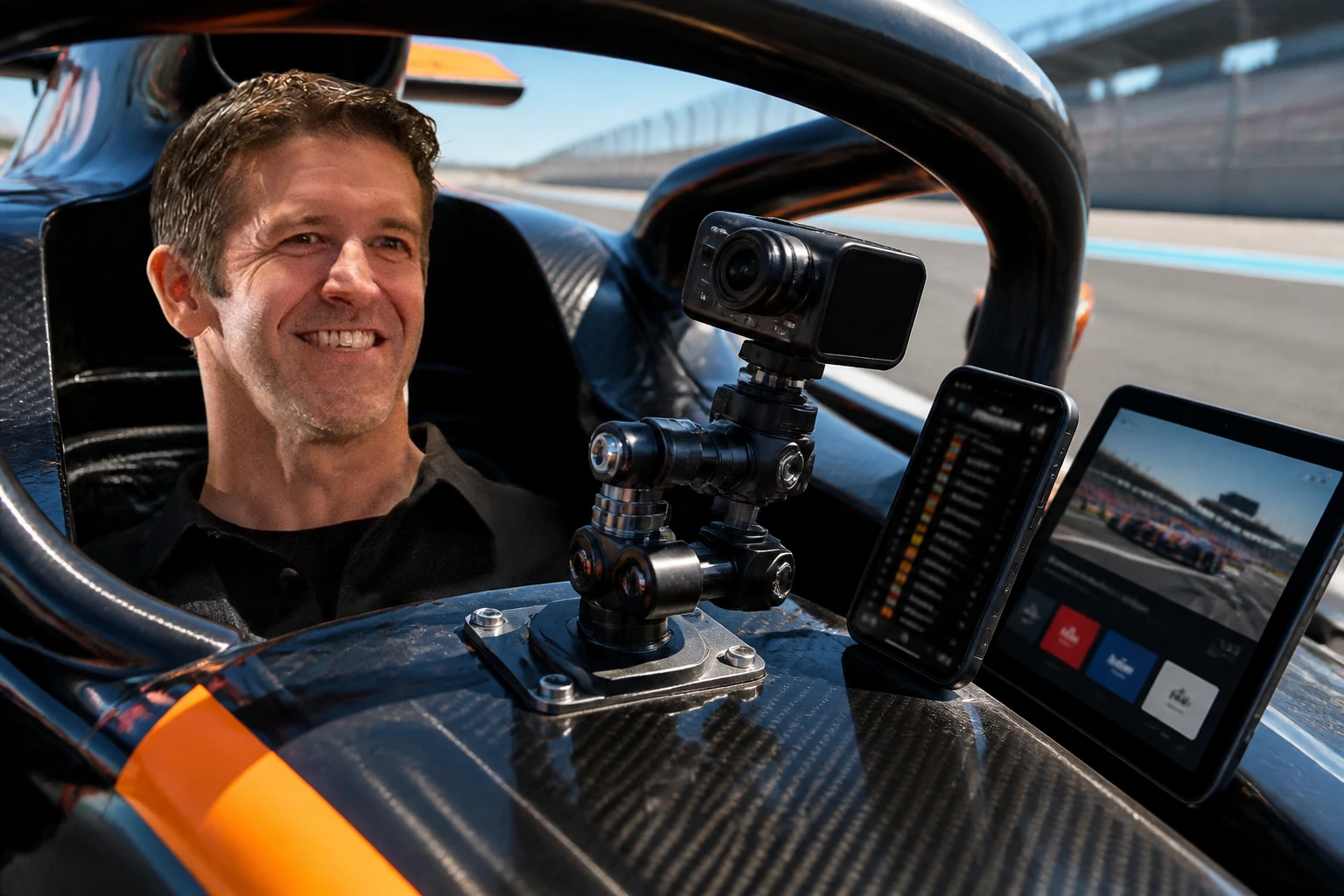
Ternus said that to Reuters on the carpet. Cook added that Apple’s goal is not volume. The company has found its stride with premium storytelling. He also left the door open for more collaborations that bring unique Apple technology into entertainment projects, citing the specialized cameras developed for the F1 film so audiences could ride inside the cockpit.
A Hardware Engineer Steps Into Hollywood Strategy
Ternus is not a studio veteran. He is the longtime senior vice president of hardware engineering, set to succeed Tim Cook as CEO on September 1. He joined Apple’s product design team in 2001 after a mechanical-engineering degree from the University of Pennsylvania and early work on virtual-reality headsets.
His résumé reads like a catalog of Apple’s physical products:
- Vice president of hardware engineering from 2013, overseeing AirPods, Mac and iPad lines
- Expanded remit to iPhone hardware in 2020
- Senior vice president of hardware engineering since 2021, later adding Apple Watch
- Key role in Apple silicon transition, durability advances and lower-carbon materials
He is a car-racing enthusiast who tracks his Porsche and has taken colleagues off-road. That personal interest aligns with Apple’s deepening Formula 1 relationship, yet the larger point is structural. A pure product engineer is now the public face of content ambition. The second-order effect is clear: entertainment remains a services and engagement tool that benefits from hardware and camera expertise, not a separate Hollywood empire that needs a different kind of boss.
Services Powerhouse Meets a Costly Streaming Unit
Apple’s broader services business has become a profit engine. In its January recap of 2025, the company said services delivered a record year. Eddy Cue, senior vice president of Services, noted that Apple TV hours viewed jumped 36 percent in December versus the prior year, a new monthly engagement high. F1, Pluribus and other titles drove the spike. Fiscal 2025 services revenue reached roughly $109 billion in outside tallies, up strongly from the prior year, and the category has topped $100 billion under Cook.
Apple TV itself is a different story. Reports from The Information, carried by Variety and others, put paid subscribers near 45 million and annual losses above $1 billion. Content spending has been estimated between $4.5 billion and $7.5 billion a year depending on the source and period. A 2025 price increase lifted the monthly fee to $12.99 for new subscribers.
| Metric | Figure | Source context |
|---|---|---|
| Apple TV Dec. 2025 hours viewed | +36% year over year | Apple newsroom |
| Estimated Apple TV+ subscribers | ~45 million | The Information via Variety |
| Estimated annual streaming losses | >$1 billion | The Information via Variety |
| Content spend range (recent years) | $4.5-7.5 billion | Industry estimates |
| F1 The Movie global box office | $629 million | Apple newsroom |
| Apple Originals awards (to date, earlier 2025 tally) | Hundreds of wins, thousands of nominations | Apple statements |
The contrast explains the strategy. Streaming losses are tolerated because they feed device stickiness, App Store and services growth, and brand prestige. Hits such as Oscar-winning CODA, Emmy magnets Ted Lasso and The Studio, Severance, and the sports blockbuster F1 give Apple cultural currency that pure hardware cannot buy.
Key markers at a glance:
- Services scale: more than $100 billion annual run-rate, record engagement across TV, Music and the App Store
- Content discipline: “best, not most” remains the public line from both Cook and Cue
- Price action: 2025 hike to $12.99 for new Apple TV subscribers
- Installed base: more than 2.5 billion active Apple devices under Cook’s tenure
The F1 Template Apple Wants to Repeat
Cook singled out the F1 collaboration as the model. Apple Original Films’ F1, starring Brad Pitt and produced with Lewis Hamilton among others, became the highest-grossing sports movie of all time and crossed $629 million worldwide. Apple developed specialized cameras for authentic in-cockpit footage. The film later streamed on Apple TV and topped the service’s charts.
That relationship widened. In October 2025 Apple announced it had secured exclusive U.S. rights to all F1 races for five years starting in 2026. Coverage spans practice, qualifying, Sprints and Grands Prix for subscribers; select sessions are free. The sport also appears across Apple News, Maps, Music, Fitness+ and the free Apple Sports app with live leaderboards and widgets.
Other live-sports moves include MLS matches for subscribers at no extra cost and Friday Night Baseball. The pattern is consistent: pair a premium original or live property with deep product integration that Netflix or a pure studio cannot replicate on iPhone lock screens and Watch faces.
Who Gains and Who Feels Pressure
Creators who already work with Apple get a signal that budgets and greenlights will not vanish in a leadership change. Eddy Cue said in June at Cannes that the company wants “better and more” films and series for both streaming and theaters, and that Ternus would agree. Theatrical windows for selected titles remain part of the mix after F1’s box-office run.
Rivals in streaming face a well-capitalized player that does not need the service to break even on its own. Volume giants still dwarf Apple’s subscriber count, yet Apple’s device base and willingness to lose money on content for ecosystem reasons change the competitive math. Hardware teams under the new chief hardware officer structure keep shipping the screens and chips that carry the shows. Users with Apple devices get another reason to stay inside the bundle, whether through MLS, F1 or the next prestige drama.
Investors watching services margins will keep weighing the $1 billion-plus annual content hole against overall services growth and the contribution of media to engagement metrics. The same capital markets that cheered Apple reclaiming the most-valuable crown also watch how entertainment spending sits beside AI and silicon priorities.
Continuity Is the Explicit Plan Through September
Cook has described the transition as designed to be “the best ever” and a textbook example. He remains CEO through the summer and becomes executive chairman. Ternus joins the board the same day he becomes CEO. Arthur Levinson shifts to lead independent director.
Nothing in the premiere remarks or Cue’s earlier comments points to a retreat. Apple entered original entertainment in 2019. It has since collected major Oscars and Emmys while keeping the catalog lean and original-heavy. The drop of the “+” from the consumer name and the push into theaters and live sports show evolution inside the same quality-first frame.
Ternus will also oversee the upcoming iPhone hardware cadence and the rest of the product lineup. The entertainment comments simply make plain that the services layer, including costly originals, travels with him into the CEO office. The bet is that premium stories plus proprietary technology keep paying for themselves in engagement, brand and the broader services P&L even when the streaming P&L stays red.
Apple’s new captain is a hardware engineer who just stood on a Hollywood carpet and promised more movies and TV. The numbers show why the company is willing to keep writing the checks.