The Economic Times’ Most Viewed Business News leaderboard, last refreshed on 22 Jun, 2026 at 08:42 PM, opens with a Punjabi actor-singer’s account of cleaning toilets in Canada, a job that paid him about 13 Canadian dollars. The Gippy Grewal underdog story, dated 4 days ago on the page, holds the No. 1 slot above three proverb explainers and a psychology piece on fathers who fix broken things. Below that five-story top tier, a separate “Emerging Enterprise” section carries four older business stories that cluster in October 2020. On the page’s own timestamps, the Gippy-and-proverbs top five is dated 1 to 4 days ago, and the bottom cluster is dated to October 2020.
Gippy Grewal’s rise from a mall cleaner in Canada to a reported net worth of Rs 150 crore in 2026 is the centerpiece of the week. Three proverb pieces and a psychology essay on parental repair habits fill slots two through five. The funding rounds, food-delivery coverage, and product reviews that the same page hosts sit in curated sections below, none of them dated within the past four days.
A Toilet Cleaner in Canada Who Is Now Worth Rs 150 Crore
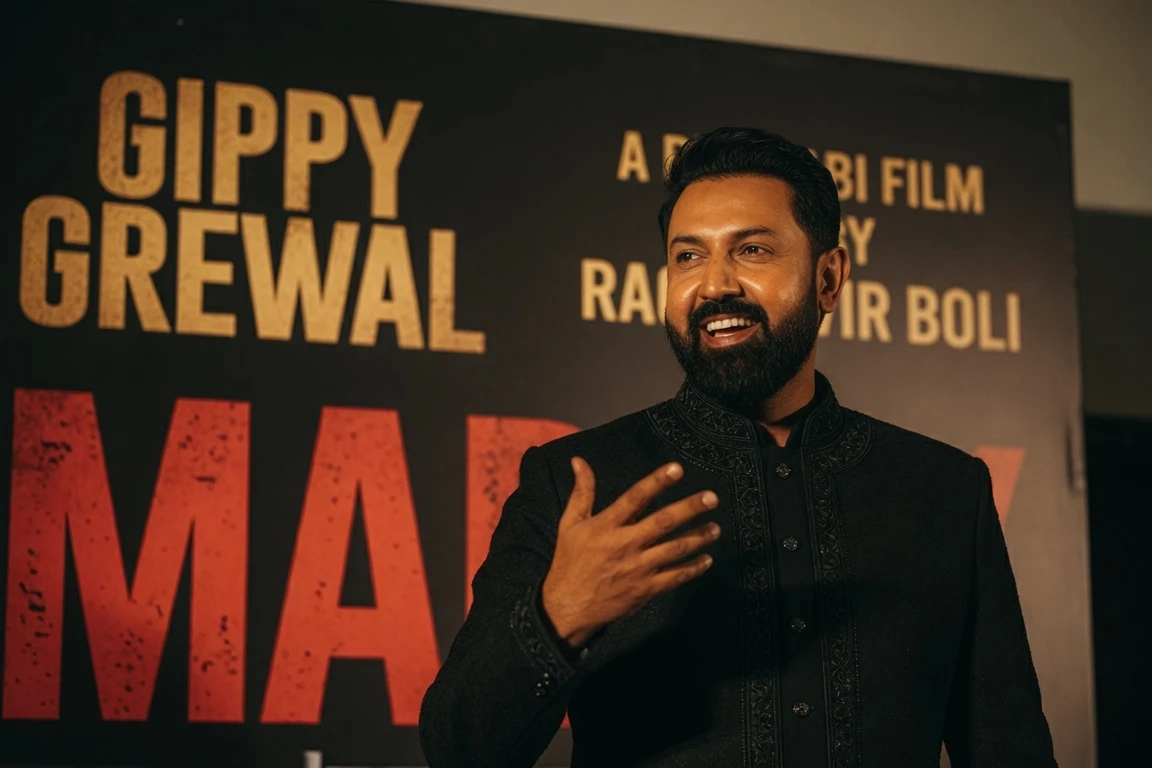
Gippy Grewal, the Punjabi actor-singer who was the lead vocalist on Angreji Beat, has told Bharti TV that he once cleaned toilets, mopped food-court trays, delivered newspapers from 4 a.m., and worked as an overnight security guard while his first hit song played at weddings across Canada. The shift work came after he and his wife Ravneet Kaur moved to Canada, where she held two jobs, one at Subway and a second as a security guard, before he found a similar post. He has described the period in detail, including the line he had to memorise for the security rounds, the limited English he had at the time, and the morning routine of finishing his shift and then picking up his wife to deliver newspapers together. The couple treated those early-morning paper rounds as a kind of date, he has said, talking the whole way through and finishing in about two hours. The mall cleaning job paid better than his other work, earning him about 13 Canadian dollars (Rs 1230) compared with around 8 dollars elsewhere.
His musical break arrived with Phulkari, a song from his third album. Phulkari, he has said, started playing at weddings and became his first major commercial hit, but the money did not follow quickly. Rs 150 crore is the upper end of the 2026 net-worth range cited for him, between Rs 120 crore and Rs 150 crore, by PTC Punjabi and reported in a profile published by The Economic Times. The wealth, per the same report, is built across music, films, production, brand endorsements and live performances.
I used to work as a security guard back then. Even though my song was a hit, I had to make money to survive and for my family.
Gippy Grewal said that at the time he knew he had to keep working until his income as a performer matched what a regular job could pay. He told Bharti TV the job at the closed factory required him to inspect the premises every few hours and report that everything was secure, and that even memorising the required English line took effort. His wife, the profile reports, worked long hours at Subway before taking up a second job as a security guard, and it was through her workplace that he found his post. The article adds that he also worked as a cleaner at a mall, sweeping floors and cleaning toilets, with the mall job paying better than his other shifts. He is now promoting Gippy Grewal’s account of cleaning toilets and delivering newspapers in Canada ahead of Carry On Jatta 4, a Punjabi comedy directed by Smeep Kang and co-starring Sargun Mehta and Binnu Dhillon that is set for theatrical release on June 26, 2026.
Four Soft Stories Fill the Slots Below Him
The next four slots on the Most Viewed Business News leaderboard are not business news in the conventional sense. Slot 2, dated 1 day ago, is a piece titled “Psychology says fathers who fix broken things instead of replacing them are not being cheap: Why repairing objects becomes their way of protecting memories, purpose and family.” Slot 3, also 1 day ago, is “Best proverb of the day: ‘If you want happiness for an hour, take a nap. If you want happiness for a lifetime…'” and the lesson that chasing wealth for lasting happiness is, in the article’s framing, a futile pursuit. Slot 4, dated 2 days ago, is “Best proverb of the day: ‘Better to choose someone who understands…'” on loyalty, commitment, experience, and the value of dependable people.
Slot 5, dated 4 days ago, is “Best Proverb of the Day: ‘People visit the rich with gifts, but they visit the poor with advice.'” The article reads as a meditation on how society treats financial success with generosity and struggle with lectures, and it argues that the ‘rich with gifts, poor with advice’ proverb explainer carries a mirror to its readers about kindness being selective. By genre, the Gippy piece is the only celebrity profile in the top 5. The four soft stories below him share a register: short, reflective, psychology- or proverb-led, and aimed at a reader scrolling on a phone. Together they make a leaderboard that runs three proverbs, a psychology piece, and a celebrity profile, with no place for the funding rounds or the product reviews below.
Older Business Stories Sit in Curated Sections Below
Below the “Most Viewed” tab, the same Economic Times page splits into curated “InFocus” sections, including one called “Emerging Enterprise” that holds four stories about Indian startups, fintech, and food delivery. None of the four is dated within the past week. All four cluster in October 2020, and the Zomato piece, for example, carries a dateline of October 12, 2020. The page treats them as evergreen reference pieces, posted once and kept in rotation under a section header. On the page’s own timestamps, the Gippy-and-proverbs top five is dated 1 to 4 days ago, and the bottom cluster is dated to October 2020.
The four “Emerging Enterprise” stories span a content-marketplace Series A, an agri-supply-chain follow-on, a fintech Series D that pushed valuation past $1 billion, and a founder’s social-media post on food-delivery volumes. On the same page, separate “Personal Technology” and “Top Stories” InFocus headers carry evergreen items such as the iOS 14 review and a long-standing preview of the Trump second-term inauguration. Four stories in one section, five soft pieces at the top, and a single calendar month that defines every business story on the bottom half of the page. All four stories share markers the top five does not: funding rounds, valuations, and a founder’s social-media post, the language of business press.
| Story | Amount or detail | Lead or speaker | Source date |
|---|---|---|---|
| Razorpay Series D | $100 million, valuation past $1 billion | GIC and Sequoia Capital India | October 2020 |
| Pepper Content Series A | $4.2 million | Lightspeed India | October 2020 |
| Flipkart, Walmart to Ninjacart | $30 million follow-on | Flipkart and Walmart | October 2020 |
| Zomato food delivery | 92 million orders, 120% pre-Covid-19 peaks in some cities | Deepinder Goyal, CEO | October 12, 2020 |
The Razorpay round made the Bengaluru-headquartered payments company the first Indian neo-bank to cross a $1 billion valuation, with the round co-led by GIC, the sovereign wealth fund of Singapore, and existing investor Sequoia Capital India, and joined by Ribbit Capital, Tiger Global, Y Combinator and Matrix Partners India. Founded by IIT Roorkee alums Harshil Mathur and Shashank Kumar in 2014, the company had raised about $206.5 million across previous rounds at the time. Razorpay’s $100 million Series D coverage notes the proceeds were earmarked for the RazorpayX business-banking platform and Razorpay Capital, the SME lending arm. The Zomato piece, by contrast, is a founder’s social-media post turned news: Goyal wrote on Twitter that food delivery had touched pre-Covid-19 peaks, that “a number of cities are now at more than 120% pre-Covid-19 peaks,” and that Zomato had delivered 92 million orders since March 23 with no reported cases of Covid-19 transmission through food or its delivery agents. Deepinder Goyal’s pre-Covid-19 peaks announcement also projected 15-25% month-on-month growth in the sector for the foreseeable future, a forecast the CEO himself attached to the post. The Pepper Content round was a Series A of $4.2 million led by Lightspeed India with participation from angel investors, and the Ninjacart round was the second joint investment from Flipkart and Walmart in the agri-supply-chain startup after a 2019 first round.
That is what the bottom of the page looks like. Above, the same page opens with a Punjabi actor-singer’s toilet-cleaning story and three proverb explainers. By the page’s own terms, the “Most Viewed” tab is doing the work of telling readers what they read, and right now it is telling them they read soft.
What the Leaderboard Tells Us
The ET Most Viewed Business News leaderboard is two things on one page. First, a current tab refreshed through the day, with each story tagged “1 Day ago” or “4 Days ago” so readers can see how recently the article was published. Second, a set of evergreen “InFocus” sections, headed “Personal Technology,” “Emerging Enterprise,” and “Top Stories,” where the page keeps older reference pieces in rotation. The Gippy story and the proverbs sit in the first bucket. In the second sit the funding rounds and the food-delivery note.
On the page, the soft content moves. The Gippy piece is dated 4 days ago, the proverbs 1 to 4 days ago, the psychology piece 1 day ago, and all of them are recent enough to suggest the page is recording the current click stream. By contrast, the funding rounds and Zomato post are dated October 2020, and they live where a publisher keeps the things readers still find when they search. The “Most Viewed” tab, in other words, is not the same as “most clicked this year” or “most read in our archive.” It is what readers are reading right now.
The Gippy story, in particular, has a release-date tail. Carry On Jatta 4 is set to arrive in theatres on June 26, 2026, four days after the ET page was last refreshed, and Gippy Grewal posted the film’s trailer link on June 21. The ET profile, in effect, sits at the start of a release-week promotional arc: a sympathetic underdog piece, a quote-heavy interview, a number that fits a headline, and a movie opening four days later. At the top, the Gippy piece is dated 4 days ago, and the bottom cluster dates to October 2020. Soft content, dated within the last four days and tied to a person rather than a Series letter, sits at the top of the Most Viewed tab, while hard business stories from years earlier sit below in a section that does not move.
Frequently Asked Questions
How much is Gippy Grewal worth in 2026?
A profile in The Economic Times, citing a PTC Punjabi report, places his estimated net worth between Rs 120 crore and Rs 150 crore in 2026, built from music, films, production, brand endorsements and live performances.
When does Carry On Jatta 4 release in cinemas?
The Punjabi comedy is set for theatrical release on June 26, 2026, directed by Smeep Kang and co-starring Sargun Mehta and Binnu Dhillon.
Why is a Punjabi actor-singer’s story outranking the funding rounds on ET’s Most Viewed Business News?
The top five stories are all dated 1 to 4 days ago, while the Razorpay, Pepper Content, Ninjacart, and Zomato pieces sit in a separate “Emerging Enterprise” section and date to October 2020.
When was the ET Most Viewed Business News page last updated?
The page header carries a timestamp of 22 Jun, 2026 08:42 PM.
Is the “Emerging Enterprise” section on the ET Most Viewed page also current?
No, the four stories there, on Pepper Content, Ninjacart, Razorpay, and Zomato, all date to October 2020 and sit in a curated “InFocus” block rather than the “Most Viewed” tab.