The sub-₹70,000 laptop segment has quietly turned into a sweet spot this year, giving buyers faster processors, bigger SSDs and cleaner designs that don’t feel “budget” anymore. And honestly, the lineup looks stronger than what many mid-range models offered just a couple of years ago.
From students juggling long assignments to office users bouncing between endless tabs, this price band now feels like a comfortable middle ground with plenty of machines that don’t slow down even on a heavy day.
Power Upgrades Shift Expectations Across Mid-Range Devices
Many shoppers stepping into this category today get surprised right away.
One sentence to open sharply.
The biggest reason is the processor jump. Brands have pushed 13th-gen Intel chips, Ryzen 7000-series processors and bigger 16GB RAM bases into the under-₹70,000 bracket, giving almost desktop-like smoothness for routine use.
Another interesting shift is the focus on SSDs being standard. Even entry options here come with 512GB storage, which basically keeps booting, loading, and switching between apps quick and snappy, even after months of use.
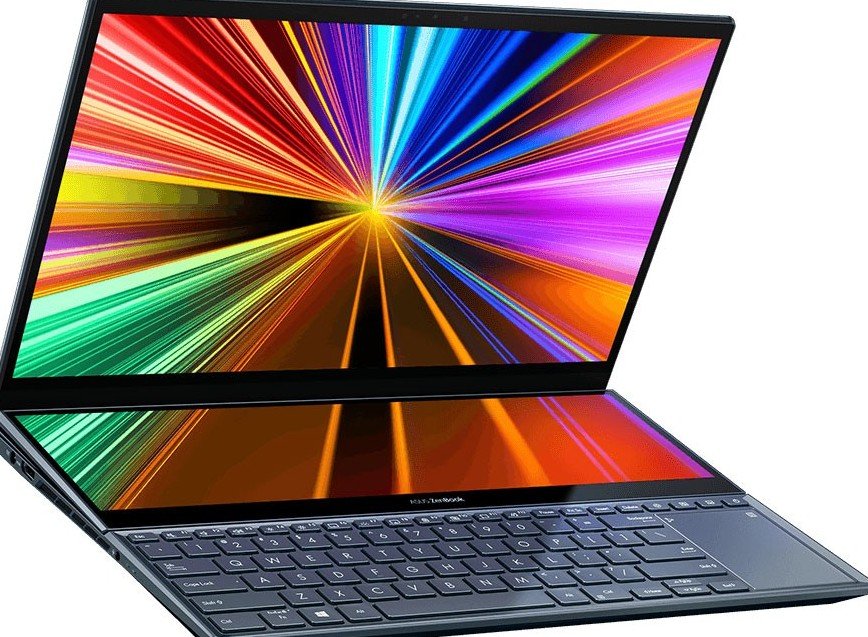
And for users who spend long hours in front of their screens, FHD and WUXGA IPS panels have quietly become normal now rather than a luxury.
There’s one small point worth highlighting.
-
FHD displays paired with anti-glare coating work better for eye comfort than older TN panels many people struggled with.
This mix puts the mid-range shopper in a far better position than before.
HP, Acer and ASUS Lead With Feature-Heavy Models Under ₹70,000
The HP 15 starts this list on a friendly note.
One sentence again.
The laptop pairs an Intel Core i3-1315U with 16GB RAM, and while an i3 might raise eyebrows, this new-gen chip handles day-to-day loads surprisingly well. Students, office workers, and casual users will find it fast enough for everything except heavy video editing.
Its silver finish feels simple but clean, and the laptop remains easy to carry at 1.59 kg. The 512GB SSD helps the system stay quick throughout the day, and the anti-glare FHD panel keeps reflections away during long work hours.
Then there’s Acer Aspire Lite with the Ryzen 7-7730U processor, which instantly gives it an edge for users who want more muscle for multitasking. Two lines here because it deserves it.
This model becomes a “value winner” by combining 16GB RAM, a 512GB SSD, a crisp IPS display and only 1.59 kg weight — very balanced for its price tag.
At the higher end of this segment, ASUS TUF A15 pulls in gamers with Ryzen 7 7445HS plus RTX 3050 graphics.
It’s the heaviest in this group, but that’s expected with gaming hardware.
A 144Hz panel and RGB keyboard push it clearly into performance territory, letting buyers do gaming, editing and rendering for under ₹70,000. Hard to miss at its asking price of around ₹68,990.
Display Quality and Build Strength Improving Across the Segment
One area that saw major upgrades this year is display performance.
That’s a fact many users feel instantly when switching from older laptops.
The Lenovo ThinkPad E14, for example, uses a WUXGA IPS panel that gives noticeably better brightness and clarity for productivity-heavy users. At just 1.41 kg, it’s one of the most comfortable carry-friendly laptops in this lineup.
The Dell 15 DC15250 model brings a 120Hz display even though it leans more toward business usage, giving smoother scrolling and cleaner animations. It pairs this with a 13th-gen Intel Core i7 chip and 16GB RAM, making it one of the fastest non-gaming picks here.
Smaller paragraph now.
Creative users have the ASUS Vivobook 16X, which offers a taller 16-inch FHD+ panel—great for editing timelines, writing, or design work.
There’s one more point worth noting here. Many mid-range laptops now use narrower bezels that make screens feel bigger without increasing the footprint too much.
Performance Comparison: Key Specifications Across Top Picks
To give readers a quick snapshot, here’s how some of the top models stack up side-by-side:
| Laptop Model | Processor | RAM | Storage | Display | Price (Approx) |
|---|---|---|---|---|---|
| HP 15 | Intel Core i3-1315U | 16GB | 512GB SSD | 15.6″ FHD | ₹39,499 |
| Acer Aspire Lite | Ryzen 7-7730U | 16GB | 512GB SSD | 15.6″ IPS | ₹44,990 |
| ASUS TUF A15 | Ryzen 7 7445HS | 16GB | 512GB SSD | 15.6″ 144Hz | ₹68,990 |
| Dell 15 DC15250 | Intel Core i7-1355U | 16GB | 512GB SSD | 15.6″ 120Hz | ₹66,999 |
| Lenovo E14 | Ryzen 5 7530U | 16GB | 512GB SSD | 14″ WUXGA | ₹53,911 |
This table shows how close the competition has become within this price bracket.
A single-sentence paragraph to separate pacing.
Even gaming-capable laptops now sit right next to lightweight work machines under the same price ceiling, which didn’t happen a few years back.
Who Benefits Most From Laptops Under ₹70,000?
This price segment suits a huge variety of users — actually way more than most people assume.
One crisp opener.
Office workers get machines with enough muscle to run spreadsheets, presentations, meetings, heavy browsing and constant switching. Students enjoy reliable battery life, lightweight builds and fast apps for online classes or assignments.
Gamers who stay within mid-range expectations get models like the ASUS TUF A15 or Acer ALG with RTX 3050 graphics that can run mainstream titles comfortably.
Creative professionals also find good value here, with Vivobook 16X and ThinkPad E14 offering strong displays and reliable performance without asking for premium pricing.
And casual users? They simply enjoy faster booting, quieter fans and smoother daily performance — something every laptop user secretly hopes for.