A lesser-known eating plan called the Portfolio Diet is gaining attention for its power to reduce bad cholesterol levels. Recent studies in 2025 show this plant-based approach can match statin drugs in lowering LDL cholesterol, offering a natural way to support heart health.
This diet combines specific foods like nuts, soy, and fiber-rich options to fight high cholesterol. Developed over two decades ago, it now has fresh backing from research linking it to lower risks of heart disease and stroke.
What Makes the Portfolio Diet Unique
Many diets promise heart benefits, but the Portfolio Diet stands out by focusing on a mix of proven cholesterol fighters. Created by Canadian researcher David Jenkins in the early 2000s, it treats food like a portfolio of investments, each adding value to reduce bad cholesterol.
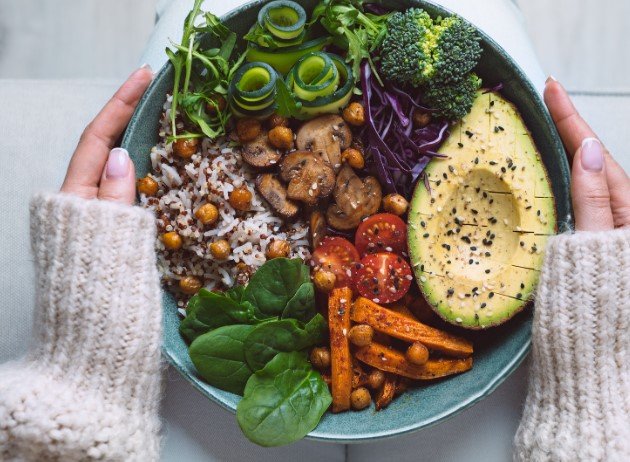
Unlike strict plans that cut out entire food groups, this one builds on everyday choices. People add items such as oats, nuts, and plant sterols without giving up favorites. Recent updates in 2025 highlight its flexibility for diverse groups, including younger adults and various ethnic backgrounds.
The diet avoids processed foods and refined carbs to boost results. Experts note it works best when paired with exercise and healthy habits.
How the Portfolio Diet Reduces Cholesterol
The science behind this diet relies on four main food types that target cholesterol absorption in the body. Soluble fiber binds to cholesterol in the gut, while plant sterols block its uptake.
Soy protein and nuts provide healthy fats and proteins that improve blood lipid profiles. A 2025 study in BMC Public Health analyzed long-term effects in a multiethnic group, finding consistent LDL drops over years.
Daily intake matters for success. Research shows aiming for set amounts of each component leads to better outcomes. For example, eating enough viscous fiber helps trap cholesterol before it enters the bloodstream.
One trial compared the diet to low-fat plans and statins. Participants on the Portfolio Diet saw LDL fall by about 29 percent in just a month, close to statin results.
This approach also supports overall heart health by reducing inflammation and improving blood pressure.
Key Research Findings in 2025
Fresh studies this year strengthen the case for the Portfolio Diet. A New York Times report on November 4, 2025, detailed how it rivals medications for cholesterol control.
In a large review, people following the diet closely had a 14 percent lower risk of heart disease and stroke over 30 years. This came from data on thousands of adults, showing real-world benefits.
Another 2025 paper in Medscape discussed two Canadian studies. They found the diet cuts cardiovascular risks across ages and backgrounds, not just older white groups as in past research.
Experts like those from the American Heart Association praise it for heart-friendly scoring in diet reviews. Compared to popular plans like Mediterranean or DASH, it focuses more on specific cholesterol-lowering elements.
However, results vary by adherence. Those who stick closely see the biggest gains, while partial followers get moderate improvements.
| Food Category | Daily Recommendation | Cholesterol Benefit |
|---|---|---|
| Soluble Fiber | 10-25 grams (e.g., oats, barley) | Binds and removes cholesterol from gut |
| Plant Sterols | 2 grams (e.g., fortified foods) | Blocks cholesterol absorption |
| Soy Protein | 25 grams (e.g., tofu, soy milk) | Lowers LDL and supports heart health |
| Nuts | 30-45 grams (e.g., almonds, walnuts) | Provides healthy fats to reduce bad cholesterol |
Foods to Include for Best Results
Building meals around the diet’s core foods is straightforward. Start with breakfast options like oatmeal topped with nuts and soy milk.
For lunch or dinner, add beans, lentils, or tofu to salads and stir-fries. Snacks can include a handful of almonds or fruit with yogurt alternatives.
Here are some easy ways to incorporate the key elements:
-
-
- Swap regular milk for soy milk in coffee or cereal.
- Add barley to soups or use oats in baking.
- Choose sterol-enriched margarines or orange juice.
- Include eggplant or okra in vegetable dishes for extra fiber.
-
Variety keeps it sustainable. Recent tips from health sites suggest mixing in avocados and olive oil for monounsaturated fats.
Potential Challenges and Tips
Not everyone finds the diet easy at first. Some people struggle to hit daily targets for sterols, which often need supplements or fortified products.
Cost can be a factor, as nuts and soy items add up. However, budget-friendly swaps like chickpeas or peanut butter work well.
Experts recommend consulting a doctor before starting, especially if you have allergies or take medications. Pairing it with lifestyle changes boosts effectiveness.
Gradual changes help. Begin with one or two components and build up over weeks.
Why It Matters for Heart Health Now
With heart disease rates rising globally, natural options like this diet offer hope. In 2025, amid talks of personalized nutrition, it fits as a tailored tool against high cholesterol.
Compared to trends like keto or intermittent fasting, it provides steady, evidence-based results without extremes.
Share your thoughts on trying the Portfolio Diet in the comments below. If this article helped, pass it along to friends facing cholesterol concerns.