
A Finnish startup called IXI has unveiled groundbreaking autofocus glasses at CES 2026 in Las Vegas. These smart eyewear promise to end the hassle of bifocals by adjusting focus in real time, targeting people with age-related vision issues like presbyopia.
This innovation comes as more companies explore wearable tech to solve everyday problems. With prototypes shown this week, IXI aims to launch the product soon, potentially changing how millions correct their vision.
How IXI Glasses Work
The glasses use liquid crystal lenses that shift focus based on eye movements. Sensors track where the user looks without needing cameras, making the tech private and efficient.
This setup activates the right prescription instantly, whether reading a book or driving. Experts say it mimics natural eye function better than traditional lenses.
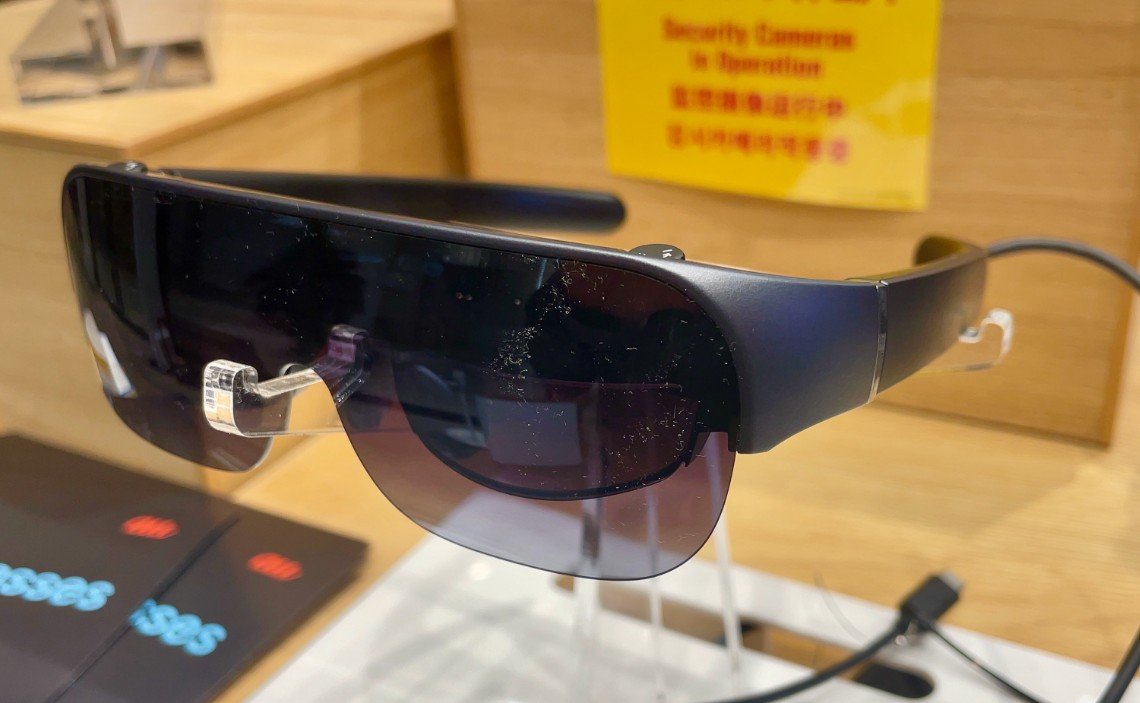
Unlike older multifocal options, these avoid visible lines or head tilting. The frames weigh just 22 grams, blending in like regular glasses.
Key Features and Benefits
Users with presbyopia, which hits most over 45, often struggle with switching glasses. IXI solves this by offering seamless clarity at any distance.
The battery lasts for daily use, recharging via USB. Backed by major investors like Amazon, the company raised over 40 million dollars to refine the product.
Here are some standout benefits:
- Instant focus adjustment for near and far vision.
- Lightweight design that looks normal, not bulky.
- No need for multiple pairs of glasses.
- Potential to reduce eye strain from constant refocusing.
Early testers report clearer vision without the usual compromises.
Many say it feels like a natural extension of their eyes. This could help in work, driving, and hobbies.
Launch Timeline and Availability
IXI plans a Europe-first rollout later in 2026, with US availability to follow. Pricing starts higher than standard glasses, around 500 to 800 dollars, but may drop as production scales.
The company showed working prototypes at CES, drawing crowds and positive buzz. They aim for full release within the year.
Delays could happen due to regulatory approvals, but optimism runs high. Preorders might open soon on their website.
Comparison to Traditional Eyewear
Bifocals and progressives have been around since the 1950s, but they force users to adapt. IXI flips this by letting glasses adapt to the user.
| Feature | IXI Autofocus Glasses | Traditional Bifocals |
|---|---|---|
| Focus Adjustment | Automatic via eye tracking | Manual head movement |
| Weight | 22 grams | Varies, often heavier |
| Look | Like normal glasses | Visible lines or segments |
| Battery Needed | Yes, for sensors | No |
| Cost | Higher initial price | Lower, but multiple pairs needed |
This table highlights why IXI might appeal to tech-savvy users. Reviews note smoother transitions compared to old methods.
While not for everyone, it targets those frustrated with current options. Recent events like rising smart wearable sales in 2025 support this trend.
What Experts Are Saying
Industry voices praise the cameraless eye tracking as a privacy win. One analyst called it a step toward future augmented reality glasses.
At CES, demos impressed attendees, with some predicting it could make multifocals obsolete. A vision specialist noted it addresses a growing need as populations age.
Feedback from social media shows excitement, with users sharing hopes for better daily life. This ties into broader 2026 trends in health tech.
Future Impact on Vision Care
As more people hit middle age, demand for easy vision fixes grows. IXI could lead a wave of smart eyewear innovations.
Combined with events like recent advances in AI health tools, this points to personalized tech becoming common. It might even inspire competitors to step up.
In the end, these glasses offer practical relief for a common issue. Share your thoughts in the comments below or spread the word if you know someone who could benefit from this tech.
