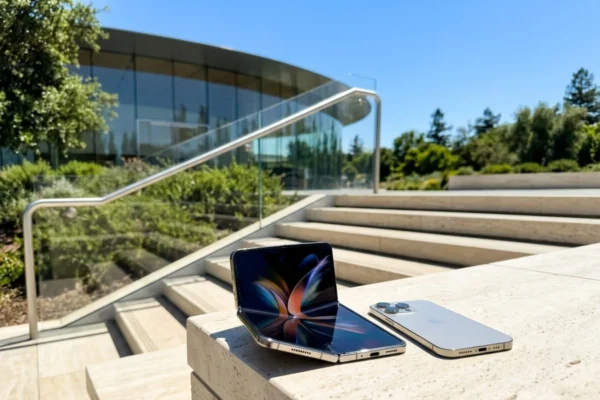
Apple has taken a major step that could reshape the smartphone landscape. Fresh reports claim its long awaited first foldable iPhone has now entered production at Foxconn. This development signals the device is moving from concept to reality faster than many expected and puts direct pressure on Android foldable leaders like Samsung.
The timing feels electric. Samsung is gearing up to launch its Galaxy Z Fold 8 and a wider variant this summer. Yet Apple’s entry could change consumer expectations around build quality, software polish, and everyday usability in foldable phones.
Rumor Turns Real With Production Start
Leaker Majin Bu shared the news on X recently, stating the iPhone Fold has just entered production at Foxconn. He added that the device is no longer just a rumor but a real product in the works. Another source on Weibo known as Instant Digital echoed the claim, pointing to trial production underway at the manufacturing giant.
This milestone marks a key shift. Apple has spent years perfecting the technology behind a reliable fold. Trial production usually means engineers are testing yields, durability, and assembly processes before ramping up to full scale. Insiders suggest mass production could follow later in 2025 or early 2026 to support a launch in the fall of that year.
The move comes after extensive testing of hinges, displays, and materials. Apple rejected several designs, including clamshell styles, in favor of a book style fold that feels more like a premium tablet when open. The company worked closely with suppliers including Samsung Display to create panels that minimize visible creases.
Industry analysts have followed these developments closely. Reports indicate Apple aims to order 15 to 20 million units initially. That volume would represent a serious commitment for a first generation product in a still emerging category.

Inside Look at Apple’s Upcoming Foldable
Details about the device continue to surface from reliable supply chain sources. The iPhone Fold is expected to feature a 7.8 inch inner display and a 5.5 inch outer screen. Both use advanced ultra thin glass technology designed to make the crease almost invisible.
When unfolded, the phone measures just 4.5 millimeters thick. That would make it one of the slimmest foldables available. The hinge reportedly incorporates liquid metal for smoother operation and better longevity. The frame mixes titanium and aluminum to balance strength, heat management, and weight.
Under the hood, an A20 Pro chip built on a 2 nanometer process should deliver strong performance with excellent efficiency. Rumors point to 12 gigabytes of RAM and storage options starting at 256 gigabytes up to 1 terabyte. Cameras include dual 48 megapixel rear sensors and support for advanced computational photography.
Battery life gets a boost too. Expect a capacity between 5400 and 5800 milliamp hours using high density cells. The software side excites many observers. iOS updates are said to bring iPad style multitasking with side by side apps and better use of the larger canvas.
Apple appears focused on making the foldable feel like a natural extension of its ecosystem. Users could move seamlessly between iPhone, iPad, and Mac experiences. Touch ID embedded in the side button replaces Face ID in certain scenarios, likely due to the thin design constraints.
Pricing remains a big question. Most estimates place the starting cost above 2000 dollars, potentially reaching 2400 dollars for higher configurations. That premium reflects Apple’s typical focus on materials, durability, and refined user experience.
Samsung Prepares Its Own Response
Samsung currently dominates the foldable market with years of refinements to its Galaxy Z series. The upcoming Galaxy Z Fold 8 and a new wider version are slated for a summer launch, giving Android fans an option months before Apple’s arrival.
The Korean giant has improved hinge durability, reduced creases, and enhanced software features like multitasking and stylus support over multiple generations. Its wider model aims to offer more tablet like proportions that could compete directly with Apple’s rumored design.
Other players like Huawei, Google, and Motorola have carved out niches too. Huawei pushes hard in China with advanced hardware, while Google emphasizes clean software on the Pixel Fold. Yet none match Apple’s brand power or its ability to drive mainstream adoption.
The pressure is clear. Android manufacturers must now innovate faster on durability, software optimization, and ecosystem integration. Many will watch Apple’s launch closely to see what features resonate with buyers who previously stuck to traditional slab phones.
Market watchers note that Apple’s entry could validate the entire category. Foldables still make up a small slice of total smartphone sales, but growth forecasts are strong. Projections show the segment expanding 20 to 30 percent in 2026, partly fueled by Apple’s involvement.
Foldable Market Poised for Massive Growth
Current data paints an optimistic picture. Foldable shipments grew steadily in 2025 and analysts expect even bigger jumps next year. Samsung holds the largest share today, but forecasts suggest Apple could capture 22 to 28 percent of the market in its debut year.
That would position the iPhone Fold as a serious challenger right away. In North America, where Samsung leads strongly, Apple’s loyal customer base could accelerate growth. Many iPhone users have waited for a compelling foldable option that matches the reliability they expect.
The appeal goes beyond hardware. Apple excels at creating intuitive experiences that make new form factors feel familiar. A larger screen for reading, watching videos, or getting work done without carrying a separate tablet could attract professionals, students, and casual users alike.
Challenges remain. High prices could limit initial volume. Crease visibility, hinge reliability, and long term durability have held back wider adoption across the industry. Apple seems determined to address these pain points head on with its engineering approach.
Suppliers are already ramping up. Samsung Display is reportedly preparing advanced panels while Foxconn handles assembly. This coordinated effort highlights how seriously Apple takes the project after years of quiet development.
What Buyers Can Expect From the New Device
Early adopters will likely appreciate the premium feel and seamless software. Imagine opening the phone to a near flat display for browsing the web, editing photos, or running two apps at once. Close it and the outer screen handles quick tasks like messaging or navigation.
Everyday users might find it transforms how they consume media or multitask on the go. Business professionals could use the larger canvas for presentations or document review without extra devices. The ecosystem advantage means continuity features with other Apple products could feel magical.
Of course, real world performance will matter most. Battery life under heavy multitasking, camera quality in different modes, and how the hinge holds up after thousands of folds will decide its success.
Apple has a history of entering categories late but redefining them. The iPhone itself followed years of smartphones. The iPad changed tablets. Observers wonder if the foldable iPhone will do the same here.
This development arrives at an exciting time for mobile technology. Consumers now have real choices between different fold styles, price points, and software philosophies. Competition should drive better products across the board.
The iPhone Fold represents more than one new device. It signals a shift toward versatile form factors that adapt to how people actually live and work. As production ramps up and launch nears, anticipation will only grow.
Apple’s careful approach after years of rumors suggests confidence in delivering something special. For fans of innovative gadgets, the wait may finally pay off in meaningful ways.
What do you think about Apple’s entry into foldables? Does the promise of a refined, crease free experience make you consider switching, or will you stick with current options? Drop your thoughts in the comments below and share with friends who love staying ahead on tech trends.