Samsung teased the Galaxy Z Fold 8 Wide this week in a campaign of social videos built around wider rectangles and the number eight, the first official confirmation that a wider model is coming to the Galaxy foldable range. The wider shape lines up with what is widely expected from Apple’s first foldable, and Samsung is getting its version in front of buyers first.
The tease arrived as Honor’s Magic V6 went on sale in the UK, OnePlus started pushing Oppo devices on its own European storefronts, WhatsApp opened reservations for usernames, and Google shut down the Tenor GIF API. Across the same stretch, the September deadline for Android’s new developer verification rule moved closer to landing. Each move touches a different corner of the Android ecosystem, from the flagship race to the developer rules that govern what runs on a phone.
Samsung Confirms the Wider Galaxy
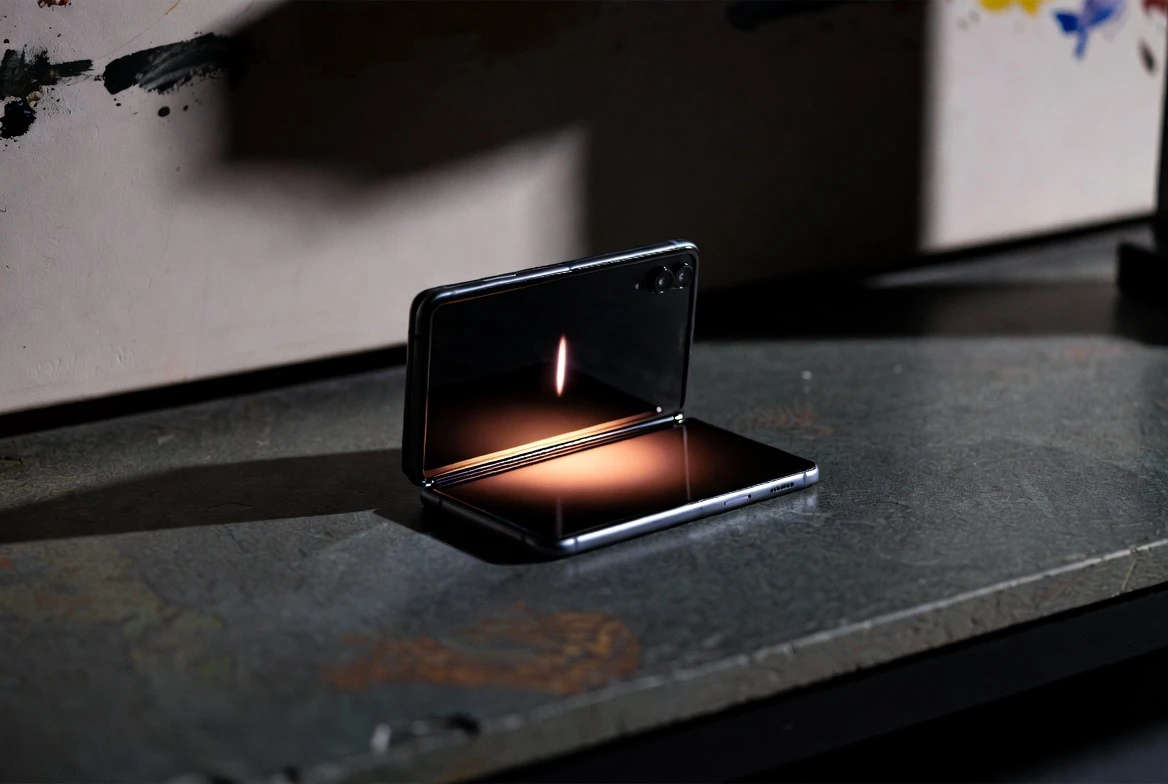
Samsung’s online marketing campaign for its summer handsets moved into high gear this week with videos showing wider rectangles and cut-outs in settings from pizza slices to chocolate bars to paint splodges forming an eight. Forbes contributor David Phelan cut through the fun to find the practical: ‘There’s a serious backbone to all these videos, of course.’ ‘It’s the first official confirmation that a new wider model is coming to the Galaxy range,’ Phelan wrote. The teasers appeared across Samsung’s social channels and asked followers to guess what was coming.
The wider model is being called the Galaxy Z Fold 8 Wide by pundits. Samsung is expected to launch three foldables at Galaxy Unpacked this month: the Z Fold 8 Wide, the Z Fold 8, and the Z Flip 8. Phelan noted that the wider aspect ratio appears to match what is thought to be coming from Apple’s foldable, possibly named the iPhone Ultra, putting Samsung ahead of Apple on the form factor if not on the brand recognition.
Samsung’s campaign is widely read as a bid to land the wider shape before Apple’s foldable arrives. Apple’s foldable iPhone production target has climbed to 10 million units for 2026, up from 7-8 million earlier estimates.
The wider pivot matters because the smaller Galaxy Z Flip is now under pressure inside Samsung’s own lineup. A Weibo tipster claimed this week that Samsung plans to discontinue the Galaxy Z Flip and concentrate on the Z Fold family. If true, the Flip would become the second major smartphone lineup Samsung has killed off after the Galaxy Note series.
Honor’s Magic V6 Lands in the UK on Top
Honor announced the Magic V6 at MWC in March, and the foldable went on sale in the UK this week. Four months after its reveal, the Magic V6 remains the most advanced foldable on sale globally, the benchmark others will have to match when Samsung and Apple ship their wider devices later this year.
What separates the V6 from every other book-style foldable on the market right now is battery capacity and water protection. The global version tested carries a 6,660 mAh battery, and some models sold in China reach up to 7,150 mAh, both figures higher than any rival foldable. The V6 is also the only foldable to offer full IP69 certification, the rating that covers high-temperature, high-pressure water jets, alongside standard submersion. The Honor Magic V6 specifications are listed on Honor’s product page for buyers comparing the device against the wider Folds.
NotebookCheck’s review of the V6 calls the combination ‘impressive, especially given the V6’s slim design.’ Samsung’s wider Fold 8 will need to match or beat those numbers when it launches later this month. For now, the V6 stays at the top of the foldable spec sheet.
- 6,660 mAh battery in the global Magic V6
- 7,150 mAh in some Chinese-market units
- First foldable with full IP69 certification
- Launched March 2026, on sale in the UK this week
OnePlus Steps Back as Oppo Takes Europe
OnePlus customers in Germany, Spain, and France opening the brand’s website this week saw a top banner promoting parent company Oppo and several of its products. The banner offers a coupon for orders at Oppo, links to Oppo’s store, and highlights devices that integrate with existing OnePlus hardware including earbuds, tablets, and the Oppo Find N9 series. All links on the banner route the visitor from OnePlus to Oppo’s storefront. The same banner does not appear in every European OnePlus market checked, and the push does not extend to the US, where Oppo is not sold.
The translated banner text leaves little room for misinterpretation: ‘Looking for new technology that delivers everything you expect from OnePlus devices? OPPO has the speed you need and the experience you trust, keeping your workflows fast and seamless.’ Ben Schoon of 9to5Google called the placement ‘one of the most explicit signs we’ve seen that, in at least some global markets, OnePlus is effectively dead despite existing products still remaining available for purchase.’
WhatsApp Opens Username Reservations to 3 Billion
WhatsApp opened username reservations to its 3 billion users this week, with the usernames themselves going live later in 2026. The shift lets users connect without sharing a phone number, the default behavior since the app launched. Reservations are open now to give users time to grab the names they want before the feature is fully enabled.
WhatsApp’s official blog post on the change tells users that ‘with over three billion people on WhatsApp a lot of names overlap, which is why we’re opening reservations early.’ Creators, small businesses, and organizations can also claim their existing Instagram or Facebook username to keep the same identity across Meta’s apps. WhatsApp has built an optional username key as a second factor to control who can start a chat using a chosen name. Usernames will roll out gradually over the coming months, with users notified in the app when the feature is available in their country.
Once usernames are live, a new contact will see only the username, not the phone number, unless the user opts back into sharing the number. WhatsApp says it will notify users in the app when the feature is available in their country.
Google Pulls the Plug on the Tenor API
Google shut down the Tenor API on June 30, 2026, ending the GIF service that powered the pickers in apps including Twitter/X, Discord, WhatsApp, and Bluesky. New integrations stopped being accepted on January 13, 2026. ‘Current integrations will be fully decommissioned’ as of the cutoff date, according to Google’s Tenor API support page.
Tenor was one of two main GIF repositories online, alongside Giphy, and Google acquired the service in 2018. The Tenor website remains live, and Google-owned apps like Gboard, Google Messages, and Google Chat keep working GIF support. Third-party apps that used the Tenor API for their own GIF pickers now have to find another provider. Twitter/X Head of Product Nikita Bier confirmed the platform has migrated elsewhere, which is why the ‘recently used’ section in the X GIF picker was recently purged.
Google’s reasoning on its support page is that the company is refocusing its resources. Tenor was free for app developers to integrate, and Google reported more than $130 billion in 2025 profit on a headcount of close to 200,000 employees. App makers are likely to migrate to Giphy or Klipy for their GIF support in the coming weeks.
- Tenor API sunset on June 30, 2026
- New integrations closed since January 13, 2026
- Affected apps include Twitter/X, Discord, WhatsApp, Bluesky
Android Sideloading Faces a September Lockdown
Google has set September 2026 as the date its new developer verification rule takes effect. The impact is expected to land through Android 17 installation routes. After the cutoff, any Android app whose developer has not registered with Google, paid the fee, signed Google’s terms, and handed over government identification will be blocked on every Android device worldwide. The campaign site tracking the September developer deadline is now counting down the days.
For F-Droid, the open-source app directory with thousands of free apps maintained by volunteers, the rule is existential. The open-source developer DocWolle laid out the case against it this week in an interview with The Bryant Review.
Most mainstream platforms ultimately prioritize monetization and data collection over user autonomy.
- Open System Settings and find Developer Options
- Tap the build number seven times to enable Developer Mode
- Dismiss scare screens about coercion
- Enter your PIN
- Restart the device
- Wait 24 hours
- Come back and dismiss more scare screens
- Pick ‘allow temporarily’ (7 days) or ‘allow indefinitely’
- Confirm you understand ‘the risks’
Google’s ‘escape hatch’ for power users runs through Developer Options and requires nine separate steps before an unverified app will run on a phone. The path includes a mandatory 24-hour cooling-off period and confirmation screens at every tap. The flow runs entirely through Google Play Services rather than the Android operating system.
Google can tighten, loosen, or kill the path at any time without shipping an OS update, and as of now the path exists only as a blog post and some mockups. The keepandroidopen.org campaign counts 71 organizations from 23 countries among the groups opposing the rule.
Frequently Asked Questions
When does Samsung launch the Galaxy Z Fold 8 Wide?
Samsung is expected to launch the Galaxy Z Fold 8 Wide alongside the Z Fold 8 and the Z Flip 8 at Galaxy Unpacked on July 22, 2026, with the wider Fold positioned as Samsung’s response to the wider aspect ratio widely expected on Apple’s first foldable.
Is the Galaxy Z Flip being discontinued?
A Weibo tipster claimed this week that Samsung plans to end the Galaxy Z Flip line to focus on the Z Fold family, which would make the Flip the second major smartphone lineup Samsung has discontinued after the Galaxy Note series. Samsung has not confirmed the claim.
How long do WhatsApp username reservations last?
Reservations opened the week of June 29, 2026, and the usernames themselves go live later in 2026. WhatsApp is rolling out the feature gradually and will notify users in the app when usernames are available in their country.
What happens to Android sideloading after September 2026?
Google’s developer verification rule takes effect in September 2026. Apps whose developers have not registered with Google, paid the fee, and handed over government identification will be blocked on every Android device. A power-user path through Developer Options will remain, with a 24-hour cooling-off period and re-confirmation every seven days for temporary access.