Distribution of public donations for Duchenne patients in Georgia has begun. The Tbilisi-based group ‘Let’s Fight Against DMD’ says every patient on a ventilator, or living with a severe accompanying genetic condition, will receive a one-time payment of GEL 10,000 (about USD 3,750) by June 10, and that it will start buying wheelchairs, hospital beds, ventilators and adapted transport this month.
The relief is genuine, and so is the gap it leaves open. The medicines these families have demanded for more than a month outside the government building cost millions of dollars per child, far beyond what any public collection in Georgia can cover. Only the state can write those cheques, which is why the protest has not ended just because the money arrived.
What the Donated Millions Will Buy
The first payments target the most fragile patients on the register. Those on continuous ventilation, or carrying a severe second genetic diagnosis, qualify for the GEL 10,000 grant, which the organization aims to transfer by June 10. Everyone else with Duchenne muscular dystrophy (DMD, a progressive muscle-wasting disease) is being asked to come forward so the group can match support to need.
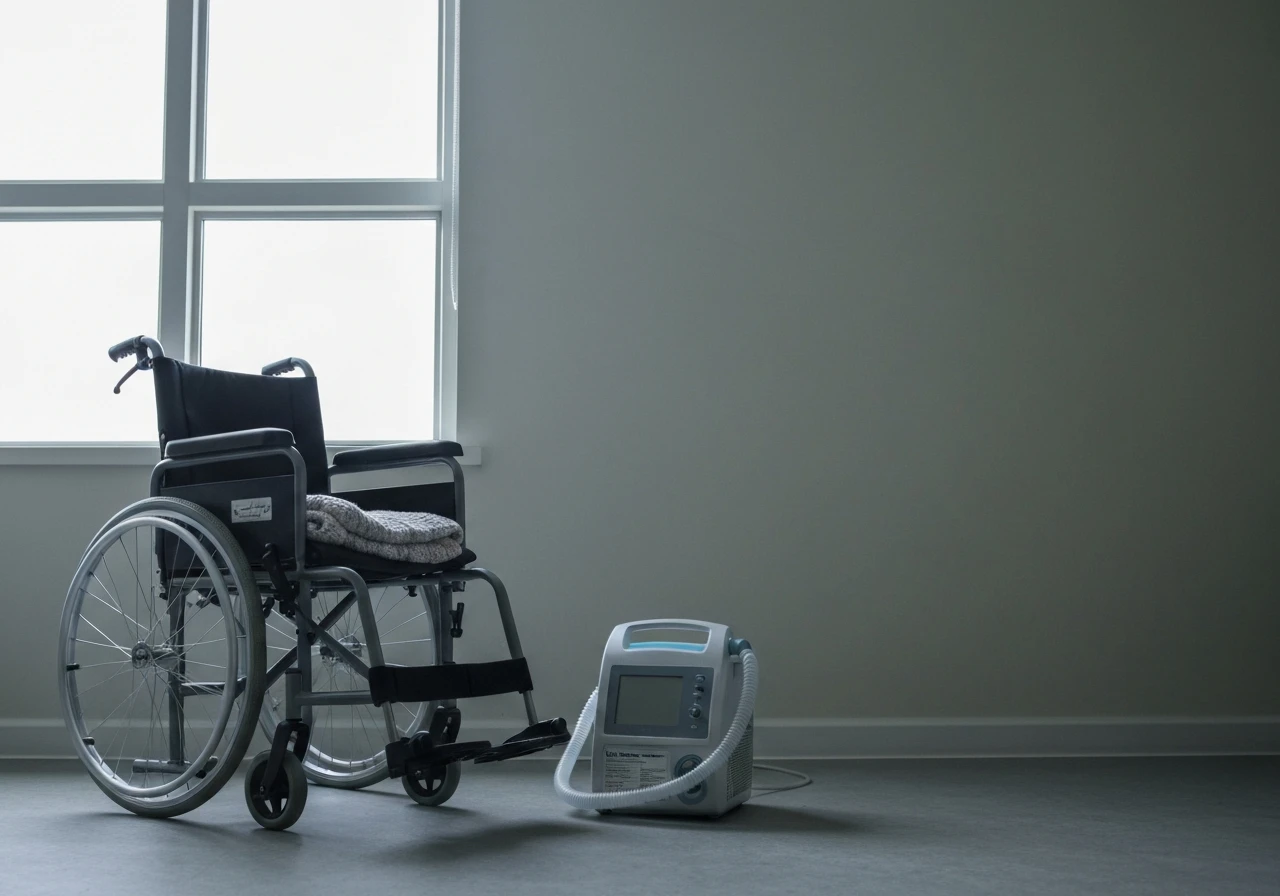
Beyond the cash grants, the organization says it will spend the rest of the fund on physical equipment, with purchasing starting this month. The shopping list is built around daily survival rather than treatment:
- Wheelchairs sized and fitted for children who have lost the ability to walk
- Hospital beds for patients who can no longer be moved easily at home
- Ventilators and breathing support for those whose chest muscles are failing
- Adapted transport so families can reach clinics and hospitals
The group has appealed to all Duchenne patients living in Georgia who require specific support to contact it directly. “With your support, we will be able to improve the condition of our children and prolong their lives,” the organization said in its statement, thanking the donors who filled the fund in a matter of days.
Students Livestreamed a GEL 2 Million Marathon
The money did not come from a foundation or a corporate sponsor. It came from a student protest movement. Members and students behind the ‘Protect Iliauni’ campaign, an initiative led by Ilia State University students opposed to a set of contested education reforms, turned their organizing energy toward Duchenne families and ran a non-stop online fundraising marathon.
The campaign launched on the evening of May 20 with a modest target of GEL 100,000. It blew past that within hours. By the third day the livestream had pulled in GEL 1 million (about USD 375,000), more than ten times the original goal, and the marathon eventually gathered up to GEL 2 million for the cause. Alongside the cash, the students collected petition signatures demanding access to treatment.
It was an extraordinary show of civic solidarity in a country where these children had spent a year and a half largely unheard. And it handed the patient group a problem that money alone cannot solve.
The Sum That Cannot Reach the Medicine
Roughly 100 children in Georgia live with Duchenne, almost all of them boys. The therapies their parents want are among the most expensive medicines on earth. Elevidys, a one-time gene therapy, carries an internationally reported list price of around USD 3 million per child. Givinostat, sold as Duvyzat, runs to several hundred thousand dollars a year. Set against those numbers, the entire marathon haul of roughly USD 750,000 would not cover a single dose of the gene therapy.
Prime Minister Irakli Kobakhidze has put the annual cost of treating the whole cohort at about GEL 50 million (roughly USD 19 million). No charity drive repeats that figure year after year. The donated fund, generous as it is, was always going to buy comfort and time rather than the drugs that slow the disease itself.
| Therapy | What it is | Reported cost | US regulatory status |
|---|---|---|---|
| Elevidys (delandistrogene moxeparvovec) | One-time gene therapy | Around USD 3 million per child | FDA approved, with later restrictions |
| Duvyzat (givinostat) | Daily oral drug for all genetic variants | Several hundred thousand dollars a year | FDA approved, March 2024 |
The price tags are not in dispute internationally. Sarepta Therapeutics confirmed the scope of its product in Sarepta’s expanded US approval of the gene therapy Elevidys, the kind of treatment Georgian families are asking their state to fund. The arithmetic is what makes the donations both moving and, on the central question, beside the point.
Forty Days Outside the Government Chancellery
The reason the giving has not stopped the protesting sits a few streets away from the fundraising livestreams. On April 20, parents brought blankets and beanbags to the government administration in Tbilisi and began an open-ended sit-in. They have now kept it going for more than 40 days, through nights on the pavement, demanding that the authorities allow the import of modern Duchenne medicines.
Their core message has not softened as the donations rolled in.
Our main demand to the state remains unchanged: we demand the import of modern medicines for the treatment of Duchenne. Every day of delay is a step backward and is tantamount to a crime.
The government’s answer has been caution dressed as fiscal discipline. Kobakhidze has argued that public money must be spent rationally and questioned whether the newer treatments would “simply enrich the pharmaceutical mafia.” The Ministry of Health says questions about the safety and effectiveness of the requested drugs remain unresolved because the long-term clinical studies are not yet complete. In May, the newly enthroned Catholicos-Patriarch, Shio III, agreed to meet the parents, opening a channel for the Church to mediate between the families and the state.
What Duchenne Does, and Why the Drugs Matter
Duchenne muscular dystrophy is caused by a fault in the gene that makes dystrophin, a protein that keeps muscle fibres intact. Without it, muscle steadily breaks down. The progression follows a cruel and predictable arc:
- Symptoms usually appear between the ages of two and five, often as difficulty running or climbing stairs.
- Most children lose the ability to walk by around age 10 and move to a wheelchair.
- In the teenage years the breathing and heart muscles weaken, and many patients come to depend on ventilation.
- Life expectancy has typically run to the late twenties or early thirties, which is why families talk about buying time.
The drugs at the centre of the dispute aim to bend that curve. Givinostat won FDA backing as the first nonsteroidal Duchenne treatment cleared for all genetic variants, and Elevidys became the first gene therapy approved for the condition. Both carry approval from the US Food and Drug Administration (FDA, the American medicines regulator) and, in several cases, the European Medicines Agency. The safety debate the Georgian ministry cites is not invented out of nothing: in November 2025 the FDA added a boxed warning for serious liver injury and pulled back the approved indication for the Elevidys gene therapy to ambulatory patients only. For parents of boys already in wheelchairs, that caveat changes which doors are even open.
Frequently Asked Questions
Who qualifies for the GEL 10,000 Duchenne payment in Georgia?
Patients with Duchenne muscular dystrophy who are on a ventilator, or who have a severe accompanying genetic condition, qualify for the one-time GEL 10,000 grant, which ‘Let’s Fight Against DMD’ aims to pay by June 10.
How can Duchenne patients in Georgia request support?
The organization has asked every Duchenne patient living in Georgia who needs specific help to contact it directly, so it can match wheelchairs, beds, ventilators and adapted transport to each patient’s needs starting in June.
Why has Georgia’s government not funded the modern medicines?
The Ministry of Health says questions about the safety and effectiveness of the requested drugs remain unresolved because long-term studies are incomplete, and Prime Minister Irakli Kobakhidze has argued public money must be spent rationally, estimating the cohort’s treatment at about GEL 50 million a year.
Are the requested Duchenne drugs approved in other countries?
Yes. Elevidys and givinostat (Duvyzat) are approved by the US Food and Drug Administration and used across the United States and parts of Europe, though Elevidys gained a boxed liver-injury warning and tighter restrictions in November 2025.
If the state authorizes the imports, the donated fund becomes what its organizers always wanted it to be, a bridge rather than a substitute. If it does not, the money will keep buying wheelchairs and ventilators for children whose families say the one thing that could change their future still sits on a shelf they are not allowed to reach.