A recent guideline from the World Health Organization (WHO) has sparked new conversations around the health benefits of swapping regular salt for potassium-based alternatives. With hypertension affecting nearly 35.5% of India’s population, this guideline might just be a game-changer in the battle against high blood pressure and heart disease.
The Growing Concern of Hypertension in India
Hypertension, often called the “silent killer,” affects millions across the globe, and India is no exception. According to the latest figures, about 35.5% of the population in India is living with hypertension. This silent epidemic leads to an increased risk of heart attacks, strokes, and kidney failure. High sodium intake is a major contributor to this crisis, particularly from processed foods and table salt.
But there might be a solution within reach: the WHO’s recent guideline advocating for a shift from regular sodium chloride to potassium-based salt substitutes. So, why is this such a big deal?
What Exactly Are K-Salts?
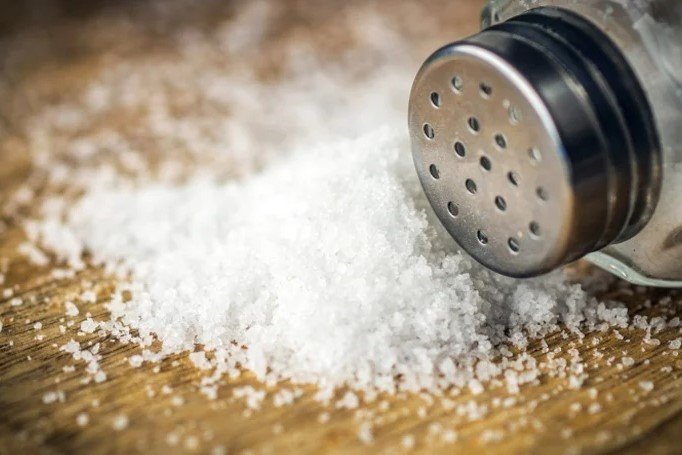
Normal table salt is made up of sodium chloride, which when consumed in excess, can increase blood pressure and lead to heart problems. Potassium salts, on the other hand, replace sodium chloride with potassium chloride. These potassium-based substitutes may help lower sodium consumption while also boosting potassium levels in the body.
Potassium is essential for maintaining normal blood pressure, and its intake has been linked to improved cardiovascular health. Foods like bananas, spinach, and beans are rich in potassium, but using K-salts could provide an easy way for individuals to up their intake without changing their entire diet.
WHO’s New Guideline: A Step Toward Better Health?
The WHO’s new recommendation is clear: we need to cut down on sodium intake. The guideline suggests keeping sodium consumption below 2 grams per day, which is roughly the equivalent of 5 grams of salt.
- Replacing regular salt with K-salts may help in achieving this reduction in sodium consumption.
- The WHO highlights the fact that potassium-based salt substitutes could reduce sodium intake by up to 30%, without sacrificing taste.
- This reduction could potentially lead to a significant drop in blood pressure levels, especially for individuals already at risk of hypertension.
Interestingly, the WHO’s recommendations are not intended for everyone. For example, children, women who are pregnant, and individuals with kidney issues should avoid potassium-based salts, as there isn’t enough data to support its safety in these groups.
The Research Behind the WHO’s Salt Guidelines
The evidence backing the new WHO recommendations comes from an extensive review of 26 randomized controlled trials, including a study conducted in India. The trials involved nearly 35,000 participants from across the globe and spanned follow-up periods ranging from a few months to several years.
The results showed promising benefits for blood pressure reduction, with a noticeable difference in people who replaced table salt with potassium-based alternatives. In fact, the data strongly supports the idea that even small reductions in sodium intake—coupled with increased potassium levels—can significantly impact heart health.
Is Potassium Salt the Answer for All?
While K-salts offer a potential solution, they aren’t a magic bullet for everyone. People with kidney diseases, for example, may find that increasing potassium intake could be harmful to their health. It’s also important to note that this new guideline focuses primarily on individual salt intake and doesn’t address the massive sodium contribution from packaged foods or meals eaten outside the home. These sources often contribute far more sodium than we consume from table salt alone.
It’s also worth mentioning that simply replacing regular salt with K-salt might not be enough on its own to combat hypertension. Lifestyle changes such as regular physical activity, a balanced diet, and reduced alcohol consumption are all crucial in managing blood pressure.
The Road Ahead: A Simple Change with Big Potential?
With hypertension rates soaring, especially in countries like India, WHO’s recommendation to use potassium salts may offer a simple yet effective tool in the fight against heart disease. While the evidence is still developing, the potential benefits are hard to ignore. If individuals start incorporating K-salts into their daily diet—while also paying attention to their overall lifestyle choices—there’s a good chance we could see a noticeable decline in cardiovascular diseases globally.