Indian stock markets are facing fresh pressure as global investors grapple with heightened geopolitical tensions in the Middle East following the reported killing of Iran’s Supreme Leader, Ayatollah Ali Khamenei in joint U.S. and Israeli airstrikes. The knock‑on effects are being felt across global markets, but India’s Sensex and Nifty indices are particularly vulnerable due to rising crude oil prices and investor risk aversion. Experts say the coming days could test market resilience as uncertainty deepens.
Energy prices, foreign fund flows and currency weakness are all factors shaping market sentiment at a fragile moment when domestic and global economic headwinds are already present. Analysts are looking closely at key levels for Indian benchmarks, but traders may see continued volatility.
Markets React to Middle East Conflict and Rising Oil Prices
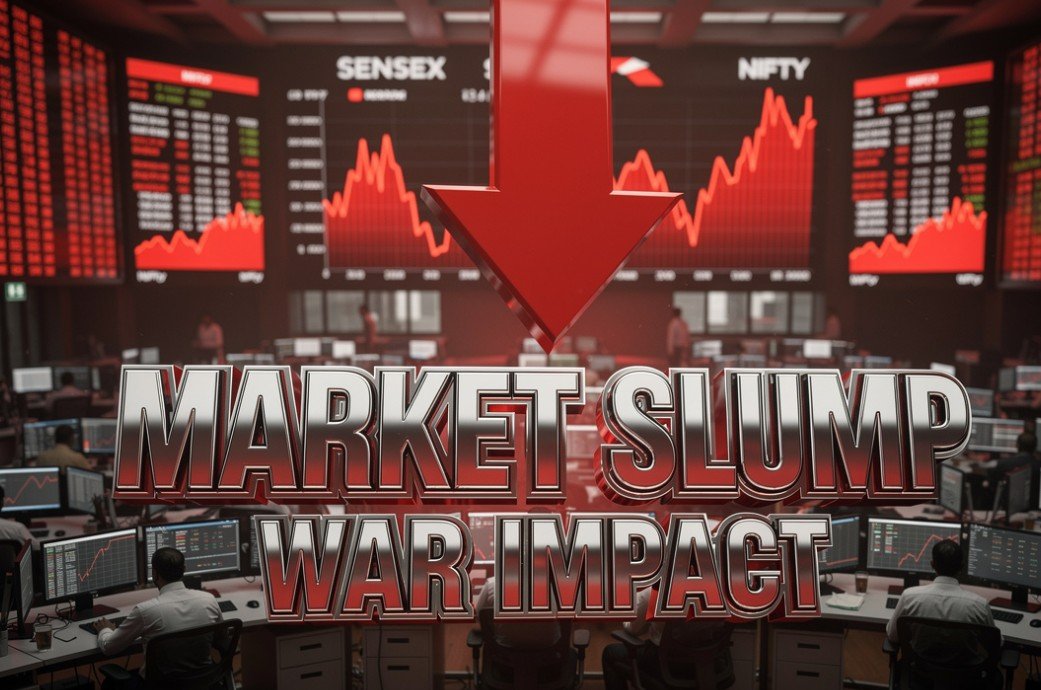
Equity markets in India opened sharply lower as fear spread among investors about the widening Middle East war. On Tuesday, March 2, 2026, the Sensex plunged more than 3 percent and the Nifty fell over 2 percent, in one of the steepest intraday losses seen in recent months. Risk‑off sentiment drove investors toward safe‑haven assets like gold and government bonds, while equity markets slumped.
Brent crude oil prices surged past $82 per barrel, a level not seen in more than a year, reflecting fears of supply disruption. This surge comes as tensions escalate around the Strait of Hormuz, a key waterway for global oil shipments that Iran has threatened to impact. Higher oil prices immediately translate into cost pressures for an importing nation like India, which buys over 80 percent of its crude oil from overseas markets.
The Indian rupee weakened alongside equities, trading near one‑month lows as foreign investment flows slowed and the dollar strengthened amid global risk aversion. Government bond yields also edged higher, signaling a shift toward safe assets.
What Analysts See for Sensex and Nifty Short‑Term
Market experts widely expect Indian markets to open weaker when trading resumes following major news updates. Analysts point out that geopolitical risks, particularly in the Middle East, normally lead to short‑term corrections before investors reassess broader fundamentals.
Here are views from several market strategists:
• Geopolitical tension likely triggers gap‑down openings for both Sensex and Nifty due to heightened risk aversion and volatility.
• Crude oil price spikes remain the key monitorable for India as they affect inflation, trade deficits and corporate margins.
• Defensive sectors such as consumer goods and financials may underperform, while safe haven assets like gold could attract buyers.
One senior strategist noted that although immediate pressure is expected, the long‑term trend could remain stable if crude prices calm and the geopolitical situation de‑escalates. Investors are watching sectors that are especially sensitive to energy price swings, including aviation, logistics, chemicals and automobiles.
Oil Prices and India’s Economy Under Strain
Crude oil’s jump is a core driver of market unease. Analysts say that even if war does not directly disrupt supply, market perception of supply risk itself adds a “geopolitical premium” to oil prices. Some forecasts show that if fears around the Strait of Hormuz remain elevated, Brent prices could head well above $90 per barrel.
Higher oil prices have several effects on the Indian economy:
• Increased inflationary pressure due to higher fuel and transportation costs.
• Wider current account deficits as import bills rise.
• Pressure on the rupee, which weakens when foreign investors reduce exposure to emerging markets.
Economists warn that prolonged crude price strength could complicate policy decisions for the Reserve Bank of India as it balances inflation control and growth support. This concern is reflected in market volatility measures, which have spiked alongside oil prices.
Investor Sentiment: Fear, Flight or Long‑Term Strategy?
There is a mix of fear and caution among India’s investor community. Short‑term sentiment has tilted toward selling and risk reduction. Foreign institutional investors, or FIIs, have been net sellers over recent sessions, trimming positions amid global uncertainty.
Data from market analytics shows key support levels being monitored closely:
• Nifty’s support zone around 25,000 points is crucial.
• A break below that level could invite broader selling pressure.
Despite current weakness, some strategists emphasize that sharp corrections are often followed by recovery zones if underlying economic fundamentals remain intact. Historical market behavior suggests that panicked sales tend to be temporary if conflicts do not escalate into full regional wars.
Investors are also watching safe‑haven assets like gold and silver, which have seen renewed inflows as traders move away from riskier equities. A strong dollar and rising U.S. Treasury prices further highlight a global shift toward risk‑off positioning.
Sector Outlook: Who Wins and Who Loses
Stocks and sectors react differently in times of geopolitical stress:
• Energy and upstream oil companies may see strength if crude prices remain high.
• Aviation, logistics and automotive stocks often come under pressure due to higher fuel costs.
• Defensive consumer goods and IT stocks can attract interest as investors seek stability.
Domestic institutions urge investors to avoid panic selling and consider dips as potential entry points, especially for long‑term holdings. Strategic stock picking rather than broad index exposure may help navigate volatility over the next few weeks.
What This Means for You
Indian markets are reacting to a cocktail of geopolitical risk, energy price shocks and global fear. For everyday investors, the immediate term may mean volatility, sharp sector movement and fluctuating asset prices. However, market veterans remind investors that temporary corrections are expected in times of crisis and long‑term gradients often recover.