Oil prices jumped higher on Friday as protests in Iran grew more intense, raising fears of supply disruptions from a key Middle East producer. Traders watched closely as unrest in the country, which started over economic issues, now threatens global energy markets in early 2026.
Protests Spark Nationwide Unrest
Protests erupted in Iran nearly two weeks ago, driven by high inflation and a weak economy. People took to the streets in major cities like Tehran, demanding change from the government.
Security forces clashed with demonstrators, leading to reports of at least 45 deaths and thousands arrested. Rights groups say violence has increased, with shootings and beatings common during rallies.
An internet blackout hit the country on Friday, a move often used by leaders to limit communication among protesters. This has made it hard for news to spread, but videos from before the cutoff showed large crowds chanting against the regime.
The supreme leader spoke out in a televised address, calling protesters vandals backed by foreign powers. He blamed outside forces, including the United States, for stirring the trouble.
Oil Market Feels the Pressure
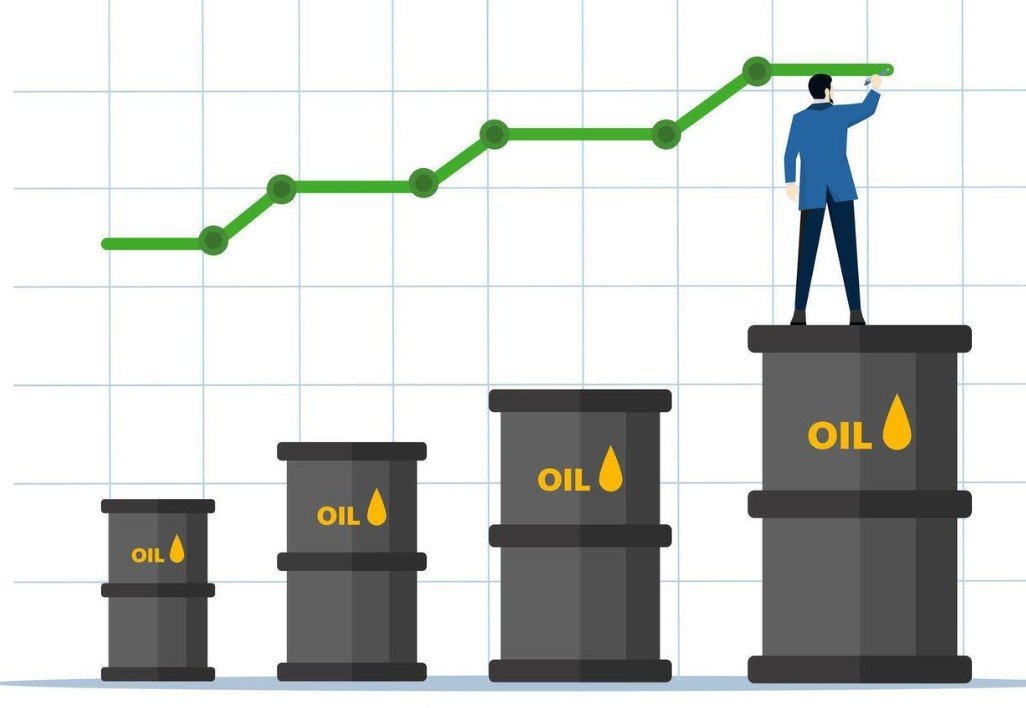
Brent crude rose about 2% on Friday, hitting around $63 per barrel, while West Texas Intermediate climbed to $58. Traders worry that ongoing chaos could cut Iran’s oil output, which stands at over 3 million barrels per day.
Supply risks from Iran add to other global tensions, like issues in Venezuela and Russia. Analysts say if protests lead to strikes in oil fields, prices could spike even more.
Here are key factors driving the price surge:
- Growing unrest in oil-rich areas of Iran.
- Fears of export halts through key routes like the Strait of Hormuz.
- Broader market jitters from recent Middle East conflicts.
Experts note that Iran’s economy faces 40% inflation, making fuel and food costs skyrocket. This ties directly to the protests, as people struggle with daily expenses.
Global Leaders React to the Crisis
U.S. President Donald Trump commented on the situation, suggesting Iran’s top leader might flee amid the pressure. He renewed warnings of possible U.S. action if things worsen.
Other nations, including those in Europe, called for calm and respect for human rights. Oil importers like China and India watch closely, as they rely on Iranian supplies.
International groups track the death toll, now estimated at over 40, with more injuries reported. Protests have spread to markets and factories, showing no sign of slowing.
Economic Roots of the Turmoil
High inflation and a falling currency sparked the initial outrage. The rial has dropped sharply, making imports costly and pushing up prices for basics.
Last year’s short war weakened the regime further, leading to looser sanctions that could affect oil flows. If stability returns, more Iranian oil might enter markets, but chaos could do the opposite.
| Factor | Impact on Oil Prices | Current Estimate |
|---|---|---|
| Inflation Rate | Drives protests, risks supply cuts | 40% in Iran |
| Daily Oil Output | Potential disruption if strikes happen | 3.2 million barrels |
| Brent Price Change | Rose due to unrest | Up 2% to $63 |
| Death Toll | Shows escalation level | At least 45 |
Unemployment and food shortages add fuel to the fire. Many young people join the crowds, seeking better jobs and living standards.
Recent events, like similar uprisings in other oil nations, highlight how economic pain can quickly turn into market volatility.
What This Means for Energy Future
Looking ahead, if protests lead to regime change, oil supplies might stabilize or increase under new leadership. But prolonged fighting could push prices toward $70 or higher.
Traders also eye U.S. policies, as Trump pushes for more domestic drilling to counter global risks. This could ease some pressure on prices over time.
Markets remain volatile, with daily swings based on news from Iran. Investors advise watching for signs of resolution or further escalation.
As this story develops, stay informed on how these events shape energy costs worldwide. Share your thoughts in the comments below, and pass this article along to others interested in global news.