
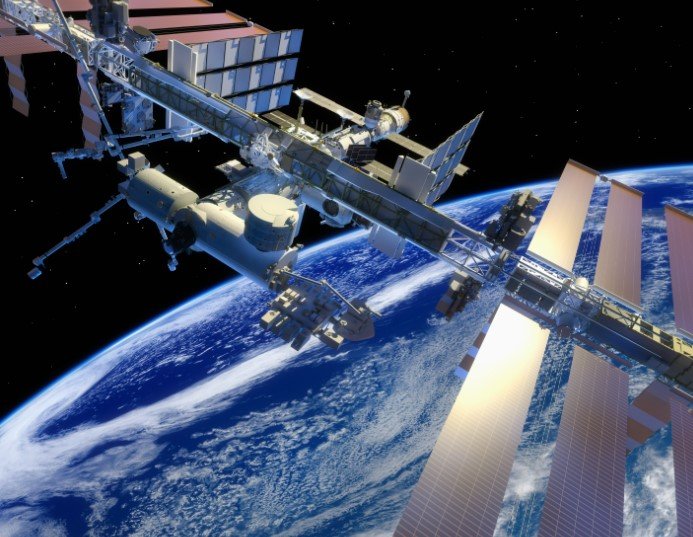
The International Space Station, a key hub for global space research, faces retirement by the end of 2030. NASA plans to deorbit the aging station into the Pacific Ocean, shifting focus to new commercial platforms for future missions.
This move marks the end of a 30-year era for the ISS, built through partnerships with agencies like NASA, Roscosmos, ESA, JAXA, and the Canadian Space Agency. The station has hosted over 280 astronauts from 26 countries, advancing science in microgravity while orbiting 260 miles above Earth.
Why Retire the ISS Now
The ISS has operated continuously since November 2000, but time has taken its toll. Engineers report issues like air leaks and outdated systems that make long-term maintenance too costly and risky.
Recent checks show the station’s structure is wearing out faster than expected. NASA officials say keeping it running beyond 2030 could lead to safety hazards for crews and uncontrolled reentry.
This decision aligns with broader goals to evolve space exploration. By retiring the ISS, resources can shift to newer ventures, including lunar missions and Mars planning.
Experts point out that the station’s retirement avoids potential disasters. A controlled deorbit ensures debris lands safely in a remote ocean area, minimizing risks to people on the ground.
NASA’s Transition Strategy
NASA is not leaving low-Earth orbit behind. The agency aims to partner with private companies to build and run new space stations.
Companies like Axiom Space and Blue Origin are developing commercial platforms. These will take over research and habitation roles once the ISS is gone.
The plan includes a smooth handover. NASA will support commercial stations through funding and expertise, ensuring no gap in human presence in space.
This shift promises cost savings and innovation. Private firms can offer services to more clients, from governments to tourists, expanding space access.
Key Milestones in ISS History
The ISS story is full of achievements that shaped modern space travel. It started as a symbol of post-Cold War cooperation between the US and Russia.
Over the years, it grew from basic modules to a massive lab. Crews conducted thousands of experiments, from growing crystals to studying human health in space.
Here are some standout moments:
- First crew arrival in 2000, kicking off continuous human presence.
- Addition of the Canadarm2 robotic arm in 2001 for building and repairs.
- Record-breaking stays, like Scott Kelly’s year-long mission in 2015-2016.
- Private crew visits starting in 2022, opening doors to space tourism.
These milestones highlight the station’s role in pushing boundaries. They also set the stage for future endeavors.
The ISS has inspired generations. Schools worldwide use its data for education, sparking interest in STEM fields.
What Comes After Deorbit
After deorbit in early 2031, the ISS will burn up mostly during reentry, with surviving pieces splashing into the Pacific. NASA calls this Point Nemo, the ocean’s most remote spot.
Looking ahead, NASA’s strategy focuses on sustainability. The agency is investing in reusable tech and international ties for deep space goals.
| Aspect | ISS Era | Post-ISS Era |
|---|---|---|
| Operators | Government agencies | Private companies like Axiom |
| Main Focus | Scientific research | Commercial and tourism growth |
| Orbit Location | Low-Earth orbit | Similar, with possible expansions |
| Crew Capacity | Up to 7 astronauts | Varies, potentially more flexible |
| Lifespan | 30+ years | Designed for easier upgrades |
This table shows the evolution from public to private models. It underscores NASA’s push for efficiency.
Challenges remain, such as ensuring new stations launch on time. Delays could create a brief period without a US-led orbital outpost.
Global Impact and Legacy
The ISS retirement affects partners worldwide. Russia may focus on its own station, while Europe and Japan seek new collaborations.
Scientifically, the station’s legacy includes breakthroughs in medicine and materials. Data from ISS experiments help treat diseases and develop better tech on Earth.
Economically, the transition boosts the space industry. Jobs in manufacturing and operations will grow as commercial stations emerge.
On a human level, the ISS united nations in peaceful exploration. Its end reminds us of the need to keep that spirit alive in future projects.
Challenges and Criticisms
Not everyone agrees with the timeline. Some experts argue for extending the ISS life to bridge any gaps in commercial readiness.
Budget concerns loom large. NASA’s funding for deorbit vehicles, like SpaceX’s modified Dragon, costs hundreds of millions.
Environmental questions arise too. While the deorbit is controlled, critics worry about space debris and ocean pollution.
Despite these, supporters say the plan is necessary. It prevents the station from becoming a hazard and frees up funds for ambitious goals like Artemis moon landings.
NASA addresses criticisms by involving stakeholders. Regular updates and international meetings ensure a transparent process.
Share your thoughts on the ISS retirement in the comments below. What do you think the future holds for space exploration? Spread the word by sharing this article with fellow space enthusiasts.
