Jaguar Land Rover, owned by India’s Tata Motors, is pushing for £2 billion in emergency funds to handle major financial setbacks from a recent cyberattack. The attack, which struck in early September 2025, forced the company to shut down factories across the UK, Slovakia, Brazil, and India, leading to weeks of lost production and supply chain chaos.
This move comes as the luxury carmaker grapples with mounting losses and pressure on its suppliers. Officials say the funding will help stabilize operations and protect thousands of jobs in the auto sector.
The Cyberattack That Sparked the Crisis
A severe cyberattack hit Jaguar Land Rover in early September 2025, paralyzing its global operations. The company quickly halted production to contain the breach, marking one of the biggest disruptions in the auto industry this year.
Experts believe it was a ransomware attack, though details remain scarce. Factories in key locations like Birmingham and Liverpool in the UK stayed idle for nearly a month, with restarts pushed back to October 1.
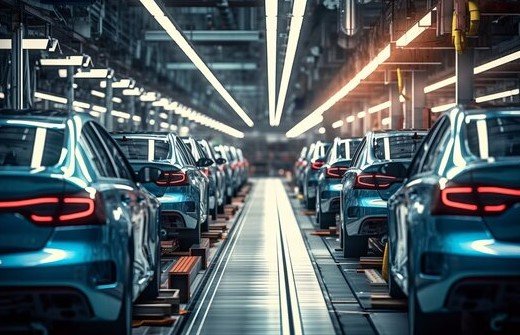
This incident highlights growing cyber threats to manufacturing giants. Similar attacks have targeted other firms, like the 2024 breach at a major US automaker that cost millions in downtime.
The shutdown not only stopped vehicle assembly but also froze orders for parts, leaving suppliers in a tough spot. Reports suggest weekly losses ran into hundreds of millions, adding urgency to the funding request.
Financial Toll on JLR and Its Network
The cyber hit has slammed Jaguar Land Rover’s bottom line hard. Before the attack, the company reported strong profits, with £6.6 billion in revenue for the first quarter of fiscal 2026, down from last year due to trade tariffs but still solid.
Now, estimates point to potential losses up to £2 billion if the crisis drags on. This includes halted sales of popular models like the Range Rover and Defender, which make up a big chunk of earnings.
Suppliers are feeling the pain too. Many small firms that provide parts for JLR vehicles have run out of cash, with some on the brink of bankruptcy. The ripple effect could hit thousands of jobs across the UK and beyond.
To break it down, here are key financial impacts:
- Production loss: Around 1,000 vehicles per day across UK plants alone.
- Weekly cost: Estimated at £100 million in missed revenue and extra expenses.
- Supplier strain: Over 200 firms affected, with urgent calls for government aid.
Tata Motors, JLR’s parent, has seen its stock dip amid the news, reflecting investor worries about long-term recovery.
The company had been on a roll with electric vehicle plans, like the upcoming Range Rover Electric. But this setback could delay those launches and hurt market share in a competitive field.
UK Government’s Loan Guarantee Steps In
In a swift response, the UK government has agreed to back a £1.5 billion loan for Jaguar Land Rover. This guarantee aims to shore up the supply chain and keep factories running.
Announced in late September 2025, the move follows pleas from industry leaders to prevent widespread job losses. It’s part of broader efforts to support the auto sector, which employs over 150,000 people in Britain.
Officials say the loan will provide quick cash to pay suppliers and restart production. Jaguar Land Rover is seeking the remaining £500 million from global banks to round out the £2 billion package.
This isn’t the first time the government has stepped in for JLR. Past deals, like subsidies for battery factories, show a pattern of support for this key employer.
Critics argue it’s a bailout for a profitable firm owned by a wealthy conglomerate like Tata, worth billions. But supporters point out the economic fallout if suppliers collapse.
Broader Effects on the Auto Industry
The Jaguar Land Rover crisis underscores vulnerabilities in global supply chains. Cyberattacks are rising, with the auto sector a prime target due to its complex networks.
Recent events, such as the 2023 chip shortage that slowed car production worldwide, add context. This attack could push companies to invest more in digital security.
For consumers, it might mean delays in new vehicle deliveries and higher prices if costs get passed on. Electric models, already in high demand, could face longer wait times.
Here’s a quick timeline of major auto industry disruptions in recent years:
| Year | Event | Impact |
|---|---|---|
| 2021 | Global chip shortage | Cut production by millions of vehicles worldwide |
| 2023 | Supply chain issues from geopolitical tensions | Raised costs for parts and materials |
| 2024 | Cyber breach at US automaker | Lost $500 million in revenue |
| 2025 | JLR cyberattack | Potential £2 billion hit, month-long shutdown |
This table shows how such events keep challenging the industry, forcing adaptations like better backups and diversified suppliers.
What Lies Ahead for Jaguar Land Rover
Looking forward, Jaguar Land Rover plans to ramp up production once systems are secure. The company aims to meet its fiscal 2026 goals, including an EBIT margin of 5 to 7 percent.
With the funding in place, recovery could be quick, but rebuilding trust with suppliers will take time. Tata Motors is also exploring insurance claims to offset some losses.
The push into electric vehicles remains a bright spot. Prototypes of the Range Rover Electric have been tested, signaling a shift to greener tech amid global demand.
Industry watchers predict JLR will emerge stronger, using this as a lesson to bolster defenses. For now, the focus is on getting back to full speed and minimizing job impacts.
If this story resonates with you, share it with friends or drop a comment below on how cyber threats affect big companies. Your thoughts could spark great discussions.