Georgia’s ruling party, Georgian Dream, has dramatically shifted from a pro-Western stance to aggressive anti-Western rhetoric in 2025, accusing the U.S. and Europe of plotting wars and conspiracies. This change, led by figures like Prime Minister Irakli Kobakhidze, risks isolating the country amid ongoing protests and diplomatic tensions.
Roots of the Rhetoric Change
Georgian Dream started as a partner to the West after taking power in 2012, pushing for EU and NATO ties. But by 2025, the party has embraced terms like “Deep State” and “Global War Party” to attack critics.
This shift gained speed after the 2024 elections, where Georgian Dream secured victory amid claims of fraud. Leaders now frame Western integration as a path to conflict with Russia, tapping into fears from the 2008 war.
Experts note this mirrors global trends where leaders use conspiracy theories to hold power. In Georgia, it deflects blame for economic woes, with inflation hitting 5 percent in mid-2025.
The rhetoric also aligns with closer ties to China and Russia, including new trade deals that boosted exports by 13 percent this year.
Key Attacks on Western Officials
Prime Minister Kobakhidze has led verbal assaults, comparing EU propaganda to Nazi-era tactics in October 2025. He accused U.S. ambassadors of meddling and pushing Georgia into war.
Speaker Shalva Papuashvili echoed these claims, labeling opposition groups as foreign agents. This has targeted diplomats, leading to Germany’s ambassador recall after harsh words from Tbilisi.
In one case, Kobakhidze alleged an EU official threatened him, drawing parallels to an assassination attempt on Slovakia’s leader. Such statements have strained relations, with the U.S. suspending some aid.
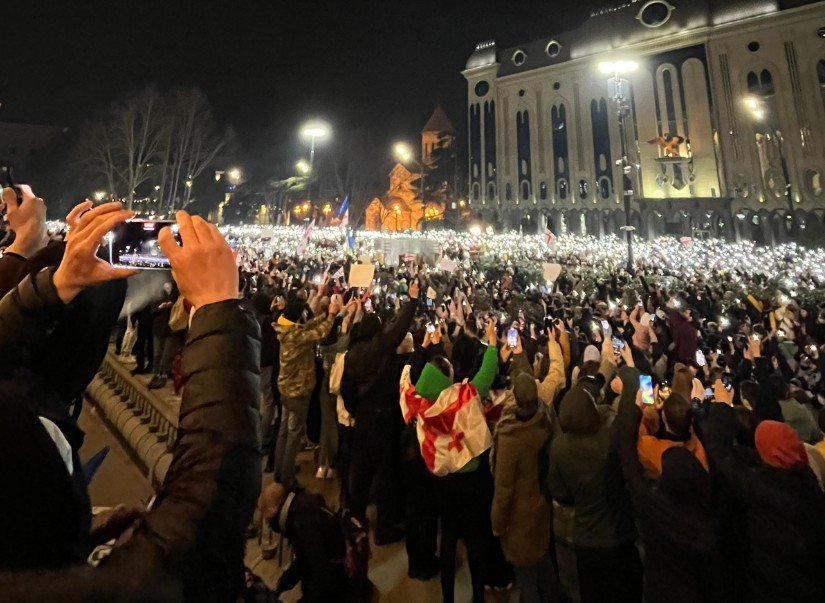
Protests erupted in Tbilisi, with thousands demanding a return to pro-Western policies. Security forces responded with force, injuring dozens and drawing international condemnation.
A recent poll shows 60 percent of Georgians still favor EU membership, highlighting a divide between the government and public.
Geopolitical Hedging and Domestic Control
Georgian Dream uses this rhetoric to hedge bets, boosting ties with Russia and China while criticizing the West. Trade with Russia grew despite sanctions, making Georgia a key route for goods.
This approach helps consolidate power at home by painting opponents as traitors. The party passed laws like the Foreign Agent Bill in 2024, requiring NGOs to register if funded abroad.
Here are some strategic goals behind the shift:
- Deflect criticism for corruption and election issues.
- Strengthen alliances with non-Western powers for economic gains.
- Rally support by stoking fears of war and instability.
- Undermine independent media and civil society groups.
These moves have led to opposition boycotts, with many leaders now in jail or exile.
Impact on Economy and Society
The anti-Western turn affects Georgia’s economy, which relies on tourism and remittances from Europe. Visa-free EU travel remains, but talks of restrictions loom if tensions rise.
Education policies promise “free” higher education, but critics say they centralize control and limit academic freedom. This could isolate universities from global partnerships.
A timeline of key 2025 events shows the escalation:
| Date | Event | Impact |
|---|---|---|
| January | Passage of anti-LGBT laws | Sparks protests and Western criticism |
| March | Kobakhidze accuses U.S. of funding unrest | U.S. reviews aid packages |
| July | Open letter to Trump praising “Deep State” fight | Draws ridicule from U.S. officials |
| October | Attacks on German ambassador | Leads to diplomatic recall |
| December | Ongoing protests in Tbilisi | Government vows crackdown |
Socially, the rhetoric divides families, with younger Georgians pushing back against what they see as a slide toward authoritarianism.
Logical reasoning suggests this could weaken Georgia’s security, as NATO aspirations fade. Recent events, like Armenia-Azerbaijan peace talks, highlight the region’s volatility without strong Western backing.
Future Outlook for Georgia
Looking ahead, experts predict more isolation if Georgian Dream continues this path. Scenarios include sustained protests leading to snap elections or deeper alignment with Russia.
The party’s success in local elections, winning 80 percent of votes in October 2025, shows strong rural support. Yet urban unrest grows, fueled by economic pressures like rising salaries not matching inflation.
For Georgians, the shift raises questions about identity and alliances. Balancing peace with democracy remains key, as the country navigates pressures from all sides.
Share your thoughts on Georgia’s political changes in the comments below, and pass this article along to spark discussion among friends.