The Georgia Board of Natural Resources turned down a petition to require protections for diamondback terrapins against crab pots on October 30, 2025. Instead, state wildlife experts will launch a statewide survey and study ways to shield these turtles from drowning in traps along the coast.
This decision comes amid growing concerns from conservation groups about declining terrapin populations in Georgia’s marshes. The board’s vote highlights a balance between research needs and immediate action, leaving advocates worried about ongoing threats.
Board’s Rejection and Next Steps
State officials in Georgia have chosen to focus on data collection rather than new rules for crab pots. The petition, filed in September 2025 by groups like the Center for Biological Diversity, called for devices called terrapin excluders on pots to prevent turtles from entering and drowning.
Board members cited a lack of current population data as a key reason for denial. They argued that more information is needed before imposing regulations on crabbers. This approach aims to gather facts while avoiding economic impacts on local fisheries.
Despite the rejection, the Department of Natural Resources plans to start the survey soon. Experts will count terrapins across coastal areas and test protection methods over the coming months.
This move follows similar debates in other states. For example, North Carolina requires excluders in some areas, showing varied responses to the same issue.
Major Threats Facing Diamondback Terrapins
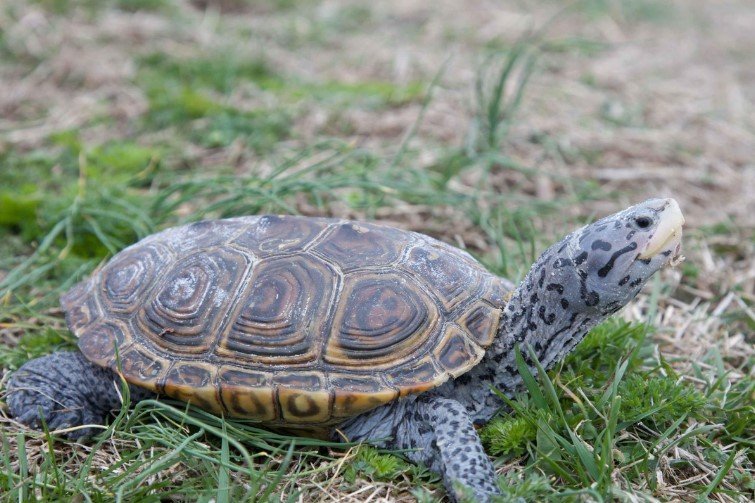
Diamondback terrapins face multiple dangers in their brackish water habitats along the Atlantic and Gulf coasts. These turtles, known for their diamond patterned shells, live from Massachusetts to Texas, but Georgia’s populations are under pressure.
Crab pots pose the biggest risk. Terrapins enter the traps to find food and often drown because they cannot reach the surface for air. Studies show that abandoned pots, called ghost pots, can trap and kill dozens of turtles each.
Other challenges include habitat loss from development and rising sea levels due to climate change. Roads near nesting sites lead to vehicle strikes, and predators target eggs and hatchlings.
Here are key threats based on recent research:
- Drowning in crab pots: Accounts for up to 50 percent of adult terrapin deaths in some areas.
- Habitat destruction: Coastal erosion and building projects reduce nesting grounds.
- Climate impacts: Warmer waters and storms disrupt breeding cycles.
- Human activities: Poaching, though banned in Georgia, remains a concern in some regions.
These factors slow population recovery since terrapins mature slowly and produce few eggs. Females lay about six to ten eggs per clutch, and it takes years for hatchlings to reach adulthood.
Details of the Upcoming Survey and Studies
The statewide survey will map terrapin numbers and locations starting in early 2026. Wildlife experts will use boats, drones, and traps to collect data without harming the turtles.
Alongside the count, researchers will test devices like excluders, which are small openings that let crabs in but keep turtles out. These tools have worked in places like Florida, reducing terrapin deaths by over 70 percent in tested areas.
The studies aim to provide solid evidence for future decisions. Officials expect results by late 2026, which could lead to voluntary guidelines for crabbers.
This research builds on past efforts. A 2024 study at Tybee Island found healthy hatchlings but warned of pot dangers. Integrating new data with these findings will help track trends.
| Threat | Impact on Terrapins | Potential Solutions |
|---|---|---|
| Crab Pots | High drowning rates | Install excluders; Remove ghost pots |
| Habitat Loss | Reduced nesting sites | Protect marshes; Limit development |
| Climate Change | Disrupted breeding | Monitor sea levels; Restore wetlands |
| Road Mortality | Adult deaths during nesting | Install crossing signs; Build barriers |
This table shows main issues and fixes, based on expert reports from 2025.
Conservation Efforts and Broader Context
Georgia has taken some steps to protect terrapins. Commercial harvesting is banned, and signs warn drivers during nesting season from May to July. These measures have helped in spots like Jekyll Island, where education programs teach about terrapin safety.
Yet, advocates say more is needed. The petition highlighted how two pots in one marsh held 133 dead terrapins, underscoring the urgency. Groups argue that without required protections, populations could drop further.
Nationally, terrapins are listed as a species of concern. Petitions for federal protection were filed in 2024, citing similar threats across states. In Alabama, public input on shrimp fisheries includes terrapin considerations, showing regional awareness.
Recent events, like the 2023 Florida coral die off from heatwaves, remind us of climate links to wildlife declines. Terrapins could face similar risks if waters warm too much.
What This Means for Georgia’s Coast
The decision reflects a cautious stance, prioritizing science over quick changes. Crab fishing supports local jobs, and officials want to avoid burdens without proof of need.
However, delays could harm terrapins if threats continue. Conservationists hope the survey leads to stronger actions, like those in neighboring states.
Experts predict that with better data, Georgia might adopt excluders voluntarily at first. This could set an example for balancing economy and environment.
Looking Ahead and Community Role
As research begins, the fate of diamondback terrapins hangs in the balance. This case shows how wildlife protection intersects with human activities in coastal areas.
Share this article if you care about Georgia’s unique turtles, and comment below with your thoughts on balancing conservation and fishing. Your input could spark more discussion.