A massive roof shingle factory south of Atlanta is running faster than ever. After a $140 million expansion, the French building materials giant Saint Gobain has more than doubled production at its Peachtree City plant, betting big that homebuilding across the South is about to surge.
The move comes at a time of mixed signals in the housing market. But company leaders and state officials say Georgia’s population growth and long term housing shortage make this a smart gamble.
Saint Gobain Doubles Production in Peachtree City
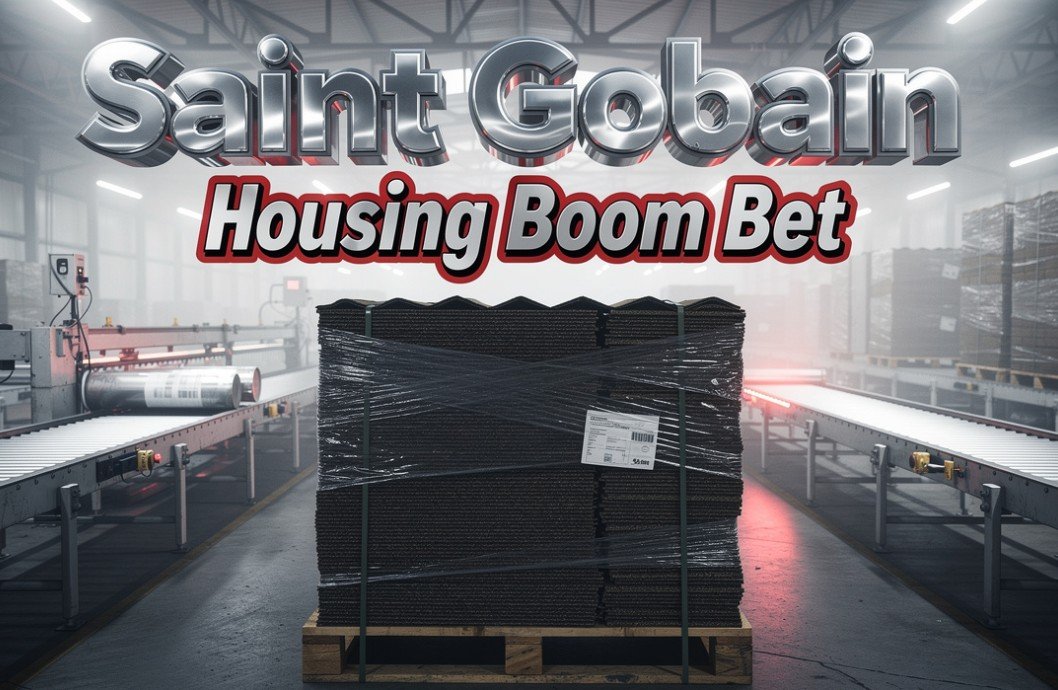
Inside the expanded facility in Peachtree City, a new pallet of CertainTeed shingles rolls off the line nearly every minute.
The plant, owned by Saint-Gobain, can now produce enough roofing shingles to cover about 200,000 homes a year. The expansion was first announced in 2022 and has taken several years to complete.
During a recent tour, Brian Kemp walked the factory floor as workers monitored giant rolls of fiberglass mat and asphalt moving through high speed lines.
Mark Rayfield, CEO of Saint Gobain North America, said the company is positioning itself for long term growth.
The Peachtree City site produces shingles under the CertainTeed brand and also supports insulation and other building products. Company officials said the factory now employs hundreds of workers and operates around the clock.
What the $140M Expansion Added
-
New high speed production lines
-
Increased storage and shipping capacity
-
Upgraded material handling systems
-
More automation to improve efficiency
The investment is one of the largest recent manufacturing expansions tied directly to the housing sector in Georgia.
A Big Bet on Southern Population Growth
The company’s strategy is rooted in demographics.
Georgia continues to rank among the fastest growing states in the country. Metro Atlanta alone has added tens of thousands of residents each year, according to U.S. Census data. That growth fuels demand for new homes, roofs and renovations.
Rayfield said the South remains underbuilt compared to its population needs.
Housing economists have long argued that the United States has a housing shortage that dates back to the years after the Great Recession. Home construction slowed sharply after 2008 and has not fully caught up with demand in many markets.
According to the U.S. Census Bureau, the number of single family building permits issued nationally dropped steeply after the housing bubble burst and took years to recover.
Industry leaders estimate the country may still be short millions of homes.
That gap creates opportunity for suppliers like Saint Gobain, which provides materials not only for new builds but also for roof replacements and repairs.
Roofs are essential.
Every new home needs one. Every storm damages some. Every aging house eventually requires replacement shingles.
Housing Headwinds Still Loom
The expansion comes at a complicated time for the housing market.
High mortgage rates have cooled buyer demand compared to the frenzy seen during the pandemic years. Construction costs remain elevated due to labor shortages and material prices.
The National Association of Home Builders reported earlier this year that builder confidence dipped amid concerns about affordability and economic uncertainty.
Here is a snapshot of current housing pressures:
| Challenge | Impact on Homebuilding |
|---|---|
| Higher mortgage rates | Slows buyer demand |
| Labor shortages | Delays construction |
| Material costs | Raises home prices |
| Policy uncertainty | Impacts investment decisions |
Some builders have also voiced concerns about tariffs and trade policy affecting imported materials.
Rayfield acknowledged that policy changes can influence costs, especially in a global supply chain. However, he said the company’s domestic manufacturing footprint helps reduce exposure.
“When you build locally, you limit freight costs and insulate yourself from some global swings,” he said.
The Peachtree City plant sources key materials domestically, which company officials say strengthens resilience.
Georgia Leaders Emphasize Economic Strength
Governor Kemp called the expansion a sign of confidence in Georgia’s workforce and business climate.
“As our state continues to grow, so does the need for quality housing,” Kemp said during the visit. “Manufacturing investments like this support both.”
Georgia has aggressively recruited manufacturers in recent years, from electric vehicle plants to building materials facilities. State leaders argue that a diverse industrial base supports long term stability.
The roofing plant also highlights how traditional industries remain vital.
While headlines often focus on tech startups and data centers, construction materials are fundamental to economic growth. Every home, school and warehouse relies on products made in factories like this one.
From Fiberglass Rolls to Finished Roofs
The scale of the Peachtree City plant is hard to grasp until you see it.
Massive rolls of fiberglass mat stretch hundreds of feet. Asphalt is layered, granules are added for durability and color, and shingles are cut, stacked and wrapped in tight cycles.
Each day, trucks leave the facility carrying pallets bound for builders and suppliers across the Southeast.
The company says the plant’s capacity increase allows it to respond faster to regional demand spikes, including after severe storms when roof repairs surge.
One factory now has the output to protect 200,000 homes each year.
That production level reflects confidence that the Southern housing market will continue expanding over the next decade.
Chronically Underbuilt and Looking Ahead
Housing experts often use one phrase to describe the U.S. market.
Chronically underbuilt.
After the Great Recession, many small builders left the industry. Financing tightened. Construction slowed. Even as population growth resumed, supply lagged.
In fast growing states like Georgia, that imbalance has pushed home prices higher and made affordability a central political issue.
Saint Gobain’s leadership believes the long term trend still points upward.
“If you look at population growth and household formation, the need for housing remains strong,” Rayfield said.
The company’s broader North American network includes dozens of plants, but the Peachtree City expansion is among its largest recent investments tied directly to roofing demand in the Southeast.
As shingles stack up by the minute, the bet is clear. Georgia’s housing market may face short term bumps, but the need for roofs over growing families is not going away.
The real question now is whether homebuilders will ramp up fast enough to match this new wave of supply.
Georgia’s factory floors are ready. Are homebuyers?
What do you think about this $140 million bet on a housing boom? Share your thoughts in the comments and tell us whether you see signs of growth in your own community.