In the streets of Tbilisi, Georgian authorities turned water cannons on protesters last year, but new evidence shows the sprays contained camite, a toxic compound from World War One. This finding from a BBC investigation has sparked outrage, as demonstrators reported burning skin and breathing issues that lasted weeks during rallies against the government’s halt on EU talks.
Protests Erupt Over EU Dreams
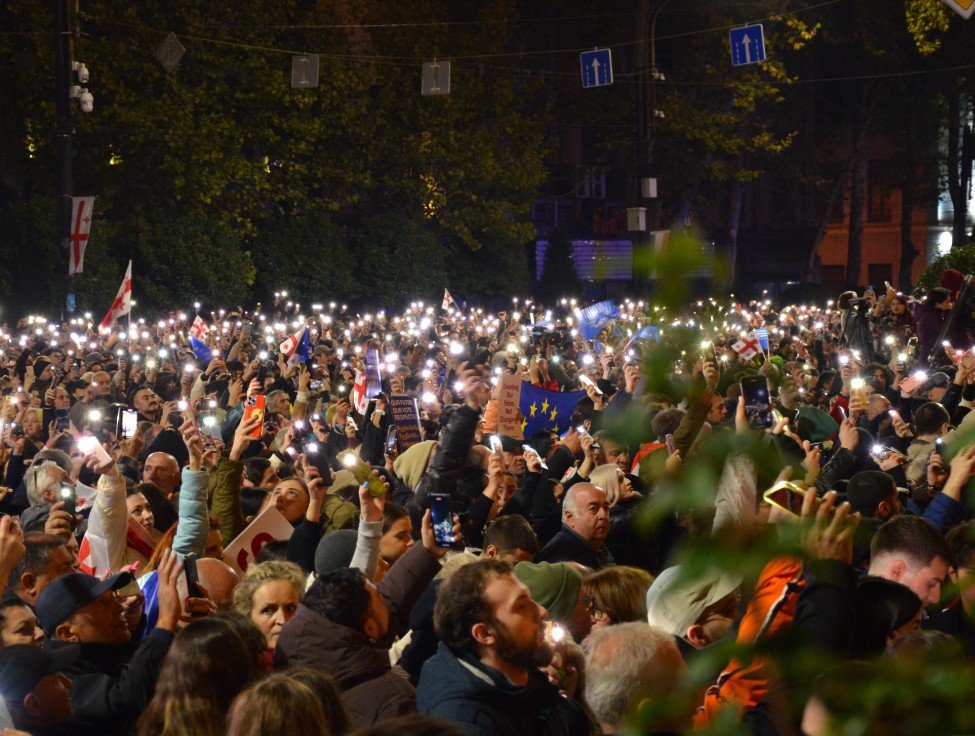
Mass demonstrations broke out in Tbilisi on November 28, 2024, after the ruling Georgian Dream party announced it would pause European Union accession talks until 2028. Thousands gathered outside parliament, waving flags and chanting for a pro-EU future, which is written into Georgia’s constitution.
Protesters saw this move as a shift toward Russia, fueling anger in a country with a history of seeking Western ties. Police responded with force, using water cannons, tear gas, and pepper spray to break up crowds. Eyewitness accounts describe chaotic scenes where people scattered under powerful jets of water mixed with irritants.
The unrest has continued into 2025, with crowds marking a full year of protests on November 28, 2025. Recent gatherings formed human chains along Rustaveli Avenue, showing no sign of fading resolve.
BBC Uncovers Evidence of Camite
A BBC Eye Investigations team spoke to experts, doctors, and police whistleblowers, pointing to camite as the agent in the water cannons. This chemical, first used by France in World War One, causes intense burning and respiratory problems that linger far longer than modern tear gas.
Lab tests on samples from the protests matched camite’s makeup, a substance phased out in the 1930s due to its harsh effects. Whistleblowers from Georgia’s riot police confirmed its use, saying it was chosen for its strong deterrent power.
This revelation aligns with reports from other sources, where protesters described symptoms that did not match typical crowd control agents. Chemical weapons specialists note camite’s rarity today, making its deployment a serious concern under international law.
Symptoms That Lingered for Weeks
Protesters hit by the sprays reported immediate and prolonged health issues. Doctors in Tbilisi treated hundreds for effects that went beyond standard irritants.
A survey by pediatrician Konstantine Chakhunashvili, who was sprayed himself, gathered responses from nearly 350 people. Key findings include:
- Burning skin that worsened with water, lasting days or weeks.
- Shortness of breath and coughing that persisted for over a month in many cases.
- Vomiting, eye irritation, and chest pain reported by more than half of respondents.
One demonstrator, Gela Khasaia, said his eyes streamed and skin burned like fire, with no quick relief. These accounts match camite’s known profile, which attacks mucous membranes and causes inflammation that can lead to long-term respiratory issues.
Government Denies Claims Amid Backlash
Georgian officials called the BBC findings absurd and insisted police actions were legal against what they termed brutal criminals. They maintain only standard methods like water and tear gas were used to restore order.
Critics argue this response ignores evidence and eyewitness testimonies. Opposition leaders demand an independent probe, citing violations of human rights. The government’s stance has drawn comparisons to authoritarian tactics in neighboring Russia, where similar crowd control has faced global condemnation.
In response to growing pressure, some officials have promised reviews of police tactics, but no concrete changes have emerged as of December 2025.
Global Reactions and Wider Impact
The international community has voiced alarm over the chemical use. The European Union condemned the violence and urged Georgia to resume accession talks, highlighting risks to democratic progress.
Human rights groups like Amnesty International called for accountability, noting camite’s status as a banned wartime agent under modern conventions. In the United States, lawmakers discussed sanctions, linking the incident to broader concerns about Russian influence in the region.
This event ties into recent global trends, such as protests in other nations facing authoritarian crackdowns. For instance, similar chemical concerns arose in 2023 Hong Kong rallies, prompting calls for stricter export controls on riot gear.
| Timeline of Key Events | Date | Description |
|---|---|---|
| Protests Begin | November 28, 2024 | Ruling party halts EU talks, sparking mass demonstrations in Tbilisi. |
| First Use of Force | November 29, 2024 | Police deploy water cannons and gas; initial reports of unusual symptoms. |
| BBC Investigation | November 2025 | Evidence emerges of camite use, based on expert analysis and whistleblowers. |
| Year-Long Mark | November 28, 2025 | Protesters form human chains to commemorate 365 days of resistance. |
| International Response | December 2025 | EU and US call for probes amid ongoing rallies. |
What This Means for Georgia’s Future
The camite revelation raises questions about Georgia’s path forward. With protests showing no end, the government faces mounting pressure to realign with EU goals. Analysts predict this could lead to political shifts, possibly new elections or reforms to ease tensions.
For citizens, the health impacts serve as a stark reminder of the costs of dissent. Medical experts advise those affected to seek ongoing care, as long-term effects from such chemicals can include chronic breathing problems.
Share your thoughts on this story in the comments below, and spread the word by sharing this article to raise awareness about the Georgian protests.