
Georgia has rolled out a major new law to curb predatory car booting practices across the state. Effective January 1, 2026, this legislation adds strict rules for booting companies, protects consumers from high fees and hidden charges, and aims to end the “wild west” era of vehicle immobilization in parking lots.
What the New Booting Law Means
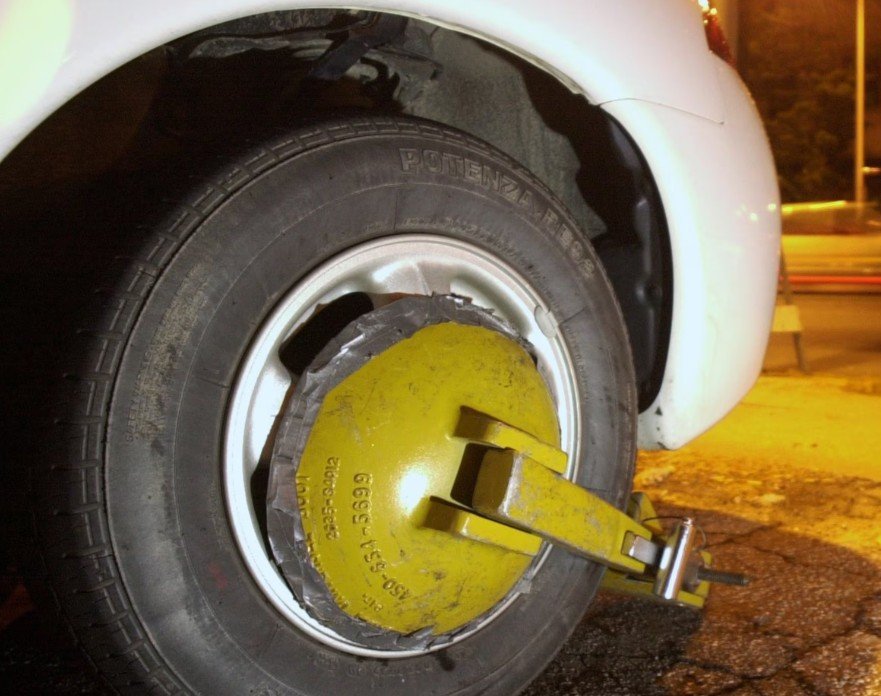
The law targets unfair booting tactics that have plagued drivers for years. Booting happens when a device locks a vehicle’s wheel, often for parking violations on private property.
Under the new rules, all booting operators must get permits from the state Department of Public Safety. This ensures only licensed companies can operate.
Clear signage is now mandatory. Signs must list the company’s name, phone number, and exact removal fees. This helps drivers know what to expect before parking.
The law bans kickback payments from booting firms to property owners. These incentives often led to aggressive booting to boost profits.
Fees for boot removal are capped. The Department of Public Safety sets maximum charges to prevent gouging.
How It Protects Consumers
Consumers gain strong safeguards against surprise costs and disputes. For instance, drivers can now challenge unfair boots more easily through state oversight.
Many past cases involved fights or injuries during boot removals. The law seeks to reduce such incidents by removing financial motives for overzealous booting.
Experts note that booting complaints spiked in urban areas like Atlanta. In 2025, reports showed over 1,000 disputes in Georgia, with average fees hitting $200 per incident.
The changes align with broader consumer rights trends. Similar protections exist in states like California and New York, where booting fees are limited to under $100 in many cases.
- Key consumer wins: No more hidden fees or kickbacks.
- Easier appeals: Drivers can report violations directly to the state.
- Safer interactions: Reduced incentives for confrontations.
Expert Views on the Changes
Atlanta attorney Matt Wetherington, who has fought booting cases for years, calls the law a game-changer. He highlights the kickback ban as crucial for cutting violence.
Wetherington shared stories of clients facing threats or physical harm. “We’ve seen stabbings and shootings over boots,” he said. The new rules should lower these risks.
Other experts agree. A 2025 study by a consumer advocacy group found predatory booting cost Georgians millions in excess fees annually.
State officials expect compliance to improve parking fairness. They plan random checks on booting firms starting this year.
The law builds on 2023 efforts when Georgia lawmakers first proposed booting fines up to $1,000 for illegal practices.
Comparison with Past Practices
Before 2026, booting was largely unregulated in Georgia. Companies could charge whatever they wanted, leading to widespread abuse.
In contrast, the new system mirrors successful models elsewhere. Here’s a quick look at fee caps:
| State | Max Boot Removal Fee | Permit Required? |
|---|---|---|
| Georgia (2026) | $150 (set by DPS) | Yes |
| California | $100 | Yes |
| Texas | $125 | No |
| Florida | Varies by city | Yes in some areas |
This table shows Georgia’s approach is among the stricter ones, focusing on statewide consistency.
Old rules allowed kickbacks, fueling a cycle of aggressive enforcement. Property owners got cuts of fees, encouraging more boots.
Now, with permits and oversight, the industry must clean up. Violations can lead to fines or license revocation.
Recent events, like a 2025 Atlanta scandal where a booting firm was sued for overcharging, pushed this law forward.
Potential Challenges Ahead
Implementing the law may face hurdles. Some booting companies worry about added paperwork and costs.
Small operators might struggle with permit fees, estimated at $500 per year. This could lead to fewer firms, potentially raising service prices in rural areas.
Consumer groups push for more. They want bans on booting in certain spots, like hospital lots, but that’s not in the current law.
Monitoring will be key. The Department of Public Safety has budgeted for extra staff to handle complaints.
As Georgia adapts, drivers should watch for updates. Similar laws in other states took months to show full effects.
Why This Matters for Drivers
This law ties into national talks on fair parking enforcement. With rising urban congestion, such rules prevent exploitation.
It also reflects 2026 trends in consumer protection, like new insurance laws in Georgia that boost homeowner safeguards.
Drivers now have tools to fight back. If booted, note the signage and contact info right away.
