Emergency rooms are filling up, waiting rooms feel tighter, and doctors across Georgia are sounding a familiar alarm. Flu infections are spreading fast, pushing hospitals to ask patients to mask up, stay patient, and seriously think about vaccination as winter settles in.
Families are scrapping holiday plans and trading road trips for clinic visits. And while the numbers already look bad, doctors say the real count is probably higher.
Hospitals feel the surge before the data does
Hospitals in metro Atlanta say the flu wave is already here, even if official reporting hasn’t fully caught up yet.
Holiday delays, reduced staffing, and the rise of at-home flu tests mean fewer cases are formally logged. That gap matters. It creates a false sense of calm, while exam rooms tell a very different story.
Dr. Andrew Thornton, who works at Wellstar urgent care clinics in Atlanta, says the past few weeks have been rough. Clinics are packed. Patients are sicker than usual. And the trend is still climbing.
Wastewater surveillance backs that up. Monitoring from WastewaterSCAN shows flu levels steadily rising across Atlanta throughout December. It’s a quiet signal, but one doctors take seriously because it often rises before hospital admissions spike.
Basically, by the time the dashboards catch up, the waiting rooms are already full.
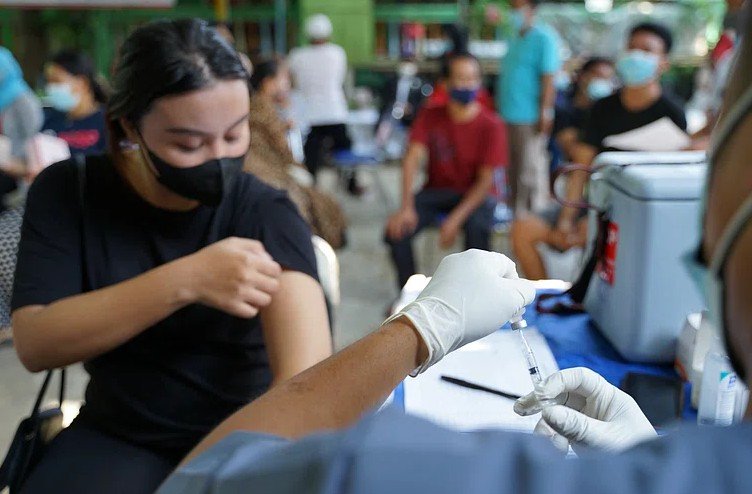
Emergency rooms warn of longer waits and tighter protocols
Health systems are urging people to prepare for delays, especially in emergency departments.
ERs are triaging aggressively, prioritizing the sickest patients first. That means people with flu symptoms but stable vital signs could wait hours, sometimes longer.
Hospitals are also reinforcing masking guidance, particularly in crowded areas. It’s not a mandate everywhere, but staff are strongly encouraging it to limit spread inside facilities that are already stretched.
Doctors say the flu this season is hitting hard and early, with more patients arriving dehydrated, short of breath, or dealing with high fevers that won’t break.
And yes, staff are tired. Burnout hasn’t magically disappeared since the pandemic years. Flu season just keeps poking at old wounds.
Georgia’s vaccination rates lag as risks rise
One uncomfortable fact keeps coming up in conversations with clinicians. Georgia’s flu vaccination rate remains low.
That gap matters more than people think. Vaccination doesn’t guarantee you won’t get sick, but it does lower the odds of severe illness, hospitalization, and death. Doctors see the difference every season.
Between October and Dec. 27, at least 29 people died from flu complications in Georgia, according to the Georgia Department of Public Health. Seven of those deaths happened in the week of Christmas alone. In the same stretch, 1,580 people were hospitalized with flu across an eight-county metro Atlanta area.
Those aren’t abstract figures. They show up as real people in real beds.
Here’s how the season looks so far:
| Metric | Reported Figures |
|---|---|
| Flu-related deaths statewide | 29 |
| Deaths during Christmas week | 7 |
| Metro Atlanta hospitalizations | 1,580 |
| Surveillance period | Oct – Dec 27 |
Doctors say these numbers are likely conservative, given underreporting and home testing.
At-home testing changes how outbreaks are tracked
Flu testing has changed. A lot.
More people are using over-the-counter tests at home, especially when symptoms feel manageable. It’s convenient, sure, but it means fewer cases get logged into official surveillance systems.
Dr. Thornton says that makes real-time assessment tricky. Health systems rely more on indirect signals now, like wastewater analysis, hospital admissions, and sudden spikes in urgent care traffic.
It also shifts behavior. Some patients delay care longer, assuming they can ride it out. For high-risk groups, that delay can turn dangerous.
Older adults, young children, pregnant people, and those with chronic conditions remain the most vulnerable. Flu doesn’t play fair with weakened immune systems.
Masking returns as a practical, if unpopular, tool
Mask fatigue is real. Doctors know it. Patients feel it.
Still, health systems say masking works, especially in crowded indoor spaces like clinics, ERs, and waiting rooms. It reduces spread. It protects staff. And it helps keep hospitals functional when every sick day counts.
Hospitals aren’t trying to police behavior. They’re asking for cooperation, because outbreaks inside facilities make staffing shortages worse.
Here’s what clinicians say helps the most right now:
-
Wear a mask in healthcare settings, even if you feel “mostly okay”
-
Stay home when sick if symptoms are mild
-
Seek care early if breathing worsens or fever won’t drop
-
Keep kids home from school when flu symptoms show up
None of this is new. But repetition matters when people are tired of hearing it.
What doctors are watching next
Doctors expect flu cases to keep rising through January, based on historical patterns and current surveillance signals.
Cold weather pushes people indoors. Schools resume after holiday breaks. Family gatherings stack exposure on exposure. It’s like stacking kindling and hoping nothing sparks.
Hospitals are also monitoring co-infections. Flu mixed with RSV or COVID can complicate recovery, especially for older patients. That combo tends to push hospital stays longer and outcomes worse.
Public health officials at the Centers for Disease Control and Prevention have warned nationally that this flu season could stay intense well into late winter. Georgia’s experience so far lines up with that outlook.