Consumer advocates are calling the move a missed chance to protect everyday Georgians from rising electricity costs. Yet supporters say the industry brings jobs and investment that the state needs.
When Georgia lawmakers wrapped up their 2026 legislative session early this month, they chose to keep the state’s generous tax breaks for data centers in place. A wave of bills had targeted everything from new construction limits to making sure residents do not foot the bill for the massive power needs of these facilities. In the end, most of those efforts stalled.
The decision came despite growing concerns about how data centers affect local power grids and household bills. Georgia has become one of the top states for these high tech warehouses. Companies like Google operate large campuses here, drawn by business friendly policies and available land. But the rapid growth has sparked debates over energy use, water consumption, and tax revenue.
Bills Aimed at Data Centers Fall Short in Final Days
The session opened with strong interest in reining in data center expansion. Lawmakers introduced measures for moratoriums on new builds, changes to energy infrastructure funding, and rollbacks of sales tax exemptions on servers, cooling systems, and related equipment.
Some proposals advanced partway. The Senate passed versions that would have phased out tax perks for future projects. House versions focused on shielding residential customers from infrastructure costs tied to large users. Yet in the final hours, key elements died or were watered down.
No major changes reached the governor’s desk. The lucrative tax exemptions that helped attract the industry since 2018 remain untouched. A recent state report projected these breaks could cost Georgia $2.5 billion in forgone revenue for fiscal year 2026 alone.
Advocates expressed sharp disappointment. They argued the inaction leaves families and small businesses exposed if projected data center demand falls short of expectations. Georgia Power, the state’s main utility, received approval late last year to add nearly 10,000 megawatts of new generation capacity. Much of that buildout targets data center needs.
Economic Boost or Hidden Costs for Georgians
Data centers form a key part of the modern digital economy. They power everything from streaming video and cloud storage to artificial intelligence training. Georgia now ranks among the nation’s leaders in data center capacity, with estimates of over 150 facilities either operating or in development.
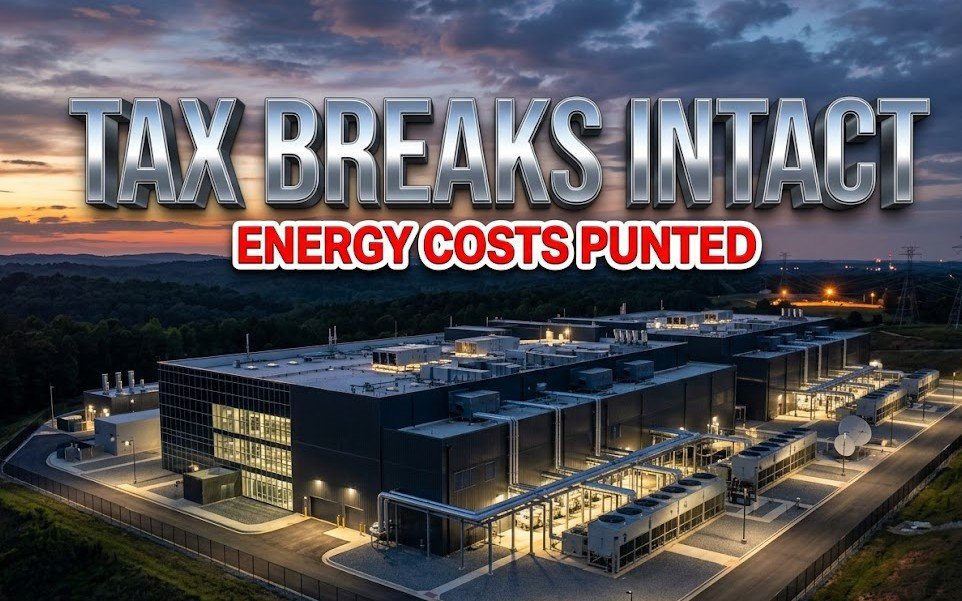
Supporters highlight real benefits. Construction creates thousands of jobs. Operations bring steady employment in technical roles. Local counties collect property taxes and see related economic activity. Industry groups point to billions in overall investment and note that facilities like Google’s complex in Douglas County have operated here for years while expanding.
Yet audits show mixed returns. A state review found that many projects likely would have located in Georgia even without the full tax incentives. Revised job impact numbers came in lower than first reported, with about 8,500 construction jobs and 1,600 ongoing operations roles attributed directly to the incentives after adjustments.
The facilities also demand enormous resources. A single large data center can consume as much electricity as tens of thousands of homes. They run around the clock and require constant cooling, often using significant water.
Power Demands Put Pressure on Electricity Rates
Georgia Power plans major grid upgrades to meet the surge. The utility secured regulatory approval for a big expansion that could cost billions. Officials promise contracts with data center operators will cover most new infrastructure expenses.
A rate freeze runs through 2028. The company has pledged measures to ease residential bills afterward if growth materializes, potentially lowering average monthly costs by several dollars. But critics worry about the risk. If enough data centers do not materialize or sign long term deals, existing customers could face higher rates to cover stranded costs.
The core question remains who pays when demand forecasts change. Consumer groups pushed hard for stronger legal protections. Some bills would have banned passing any data center related power costs to homes and small businesses. Those efforts largely failed to clear both chambers in strong form.
Environmental organizations joined the chorus. They raised issues about grid reliability, carbon emissions from new natural gas plants, and local impacts like noise and land use in rural counties.
Industry Promises Jobs While Advocates Sound Alarm
Data center operators and their allies emphasize long term gains. They argue the industry supports Georgia’s position in the tech economy and creates ripple effects for suppliers and service businesses. A spokesperson for one industry coalition thanked lawmakers for policies that encourage investment and job creation across counties.
On the other side, groups like Georgia Watch called the outcome disgraceful. They said lawmakers talked a lot but delivered little concrete help for ratepayers facing potential future pressure on bills.
Public Service Commission rules already try to shift more costs to large users. Yet advocates say those steps fall short without tighter legislation. Some local communities have passed their own limits on new data centers, showing grassroots concern.
The debate reflects bigger national trends. Many states now rethink generous incentives as data center energy hunger grows with artificial intelligence. Georgia chose caution over immediate change.
As the dust settles from this session, attention turns to implementation of existing rules and possible future action. Georgia Power must deliver on its commitments to protect affordability. Data center developers will likely keep pursuing projects where local approvals allow.
The outcome leaves Georgia at a crossroads. The state wants economic growth and tech leadership. Families and businesses want reliable, affordable power without surprises on their monthly bills. How well leaders balance those goals in coming years will shape daily life across the Peach State for decades.