Georgia’s clean energy sector added about 3,000 new jobs in 2024, pushing the total to more than 85,500 workers, according to a fresh study from nonpartisan group E2. This growth outpaced the state’s overall economy by five times, highlighting clean energy as a key driver amid national shifts in policy and investment.
Recent Job Growth Highlights
The latest data shows strong momentum in Georgia’s clean energy field. In 2024, the sector expanded at a rate much faster than other industries, fueled by investments in solar, wind, and energy efficiency projects.
Experts point to federal incentives from past years as a big factor in this surge. For instance, companies in solar panel installation and clean vehicle manufacturing led the way with new hires.
This builds on previous years, where Georgia ranked in the top 15 states for clean energy employment. The state now has seven times more clean energy jobs than fossil fuel positions.
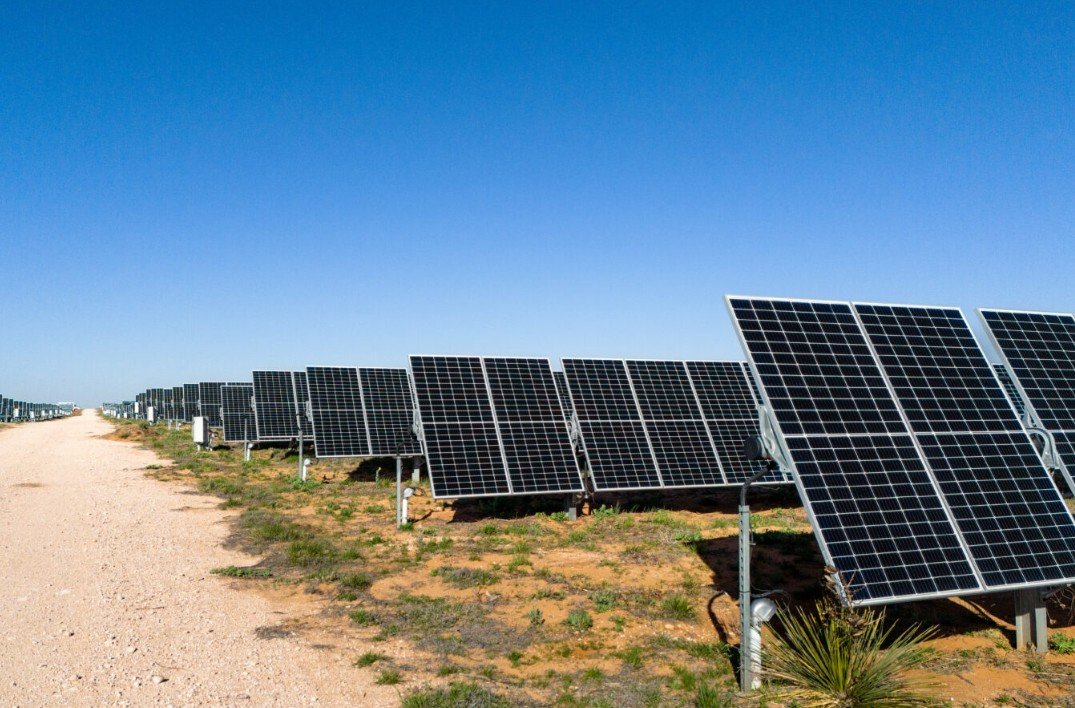
How It Stacks Up Against the Economy
Clean energy jobs grew five times quicker than Georgia’s broader workforce in 2024. While the overall state economy saw modest gains, clean energy added thousands of positions.
Nationally, clean energy employment reached 3.56 million in 2024, growing three times faster than the U.S. average. Georgia mirrors this trend, with local projects creating stable work in construction and tech.
Here are some key comparisons:
- Clean energy growth rate: 5 times state average
- Total clean energy jobs: Over 85,500
- Fossil fuel jobs in Georgia: About one-seventh of clean energy total
This gap shows a shift toward sustainable sources, driven by demand for lower emissions and cost savings.
One related event is the opening of new solar facilities in places like Rome, which promise more local hires. Such developments tie into broader economic recovery efforts post-pandemic.
Top Sectors Fueling the Boom
Solar energy stands out as a major player, with companies adding roles in installation and maintenance. Wind and energy storage also contribute, especially in rural areas.
Electric vehicle manufacturing has picked up, thanks to factories in the state. These spots create jobs in assembly, engineering, and supply chains.
A table below outlines job additions by sector in 2024:
| Sector | Jobs Added | Total Jobs |
|---|---|---|
| Solar Energy | 1,200 | 25,000 |
| Energy Efficiency | 800 | 20,000 |
| Clean Vehicles | 600 | 15,000 |
| Wind and Storage | 400 | 10,000 |
| Other Clean Tech | 0 | 15,500 |
These figures come from recent analyses and show balanced growth across categories. Workers in these fields often earn above-average wages, boosting local spending.
In urban hubs like Atlanta, tech roles in smart grids are rising. Rural communities benefit from wind farm projects, which bring in construction crews and long-term operators.
This diversity helps the sector weather economic ups and downs. For example, energy efficiency jobs focus on retrofitting buildings, a steady need regardless of market changes.
Challenges Ahead for 2025
Despite the gains, experts warn of potential slowdowns. Federal policy changes in 2025, including rollbacks on incentives, could impact future growth.
An earlier report noted three clean energy projects canceled in Georgia this year, while three new ones started. This mixed bag reflects uncertainty.
Rising material costs and supply chain issues add pressure. Yet, state leaders push for continued investment to keep the momentum.
Looking ahead, projections suggest Georgia could add another 4,000 jobs by 2026 if policies stabilize. This depends on private funding and innovation in areas like battery tech.
Broader Impact on Communities
Clean energy jobs are transforming local economies. In towns hit by factory closures, new solar plants offer fresh opportunities.
These roles often include training programs, helping workers shift from traditional industries. Communities see benefits like improved air quality and lower energy bills.
For instance, a new sustainable energy leader in Rome plans to hire locally, supporting families and schools. This ties into national trends where clean jobs grew by nearly 12 percent from 2021 to 2024.
Overall, this sector drives prosperity, with wages often higher than average. It positions Georgia as a leader in the Southeast for green growth.
What do you think about Georgia’s clean energy push? Share this article with friends and drop your thoughts in the comments below to join the conversation.