
India’s Enforcement Directorate has taken strong action against Anil Ambani’s Reliance Group by attaching over 40 properties valued at ₹3,084 crore. This move, part of a money laundering probe, targets assets including Ambani’s Mumbai home and sites across major cities, issued on October 31, 2025.
The attachment focuses on alleged fund diversion from companies like Reliance Home Finance and Reliance Commercial Finance. Officials say public money was misused, leading to big losses for investors and banks.
Details of the Attached Assets
The Enforcement Directorate listed more than 40 properties in its order. These include high-value real estate in key locations.
Assets range from office buildings to homes and land. The total value hits ₹3,084 crore, a major hit to the group’s holdings.
Here is a breakdown of the properties by location:
| City/Region | Number of Properties | Estimated Value (₹ Crore) |
|---|---|---|
| Mumbai | 8 | 850 |
| Delhi | 10 | 950 |
| Pune | 5 | 400 |
| Hyderabad | 4 | 300 |
| Chennai | 6 | 350 |
| Others (Noida, Ghaziabad, Thane, etc.) | 9 | 234 |
This table shows how the attachments spread across India. Mumbai’s Pali Hill residence stands out as a personal asset for Anil Ambani.
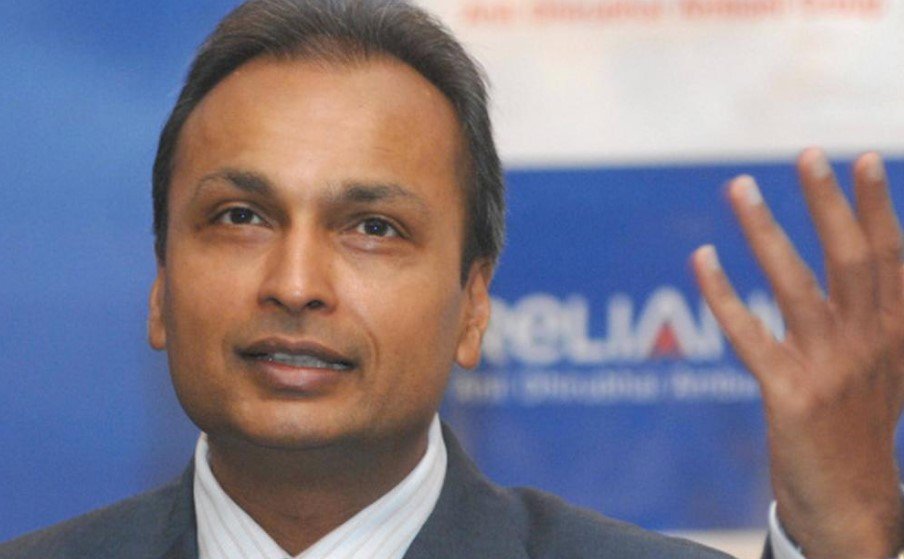
The list also covers commercial spots like the Reliance Centre in Delhi. Land in areas such as East Godavari and Kancheepuram adds to the mix.
Background of the Money Laundering Probe
The case stems from activities between 2017 and 2019. Yes Bank poured ₹2,965 crore into Reliance Home Finance and ₹2,045 crore into Reliance Commercial Finance.
By late 2019, these loans went bad. Unpaid amounts reached ₹1,353 crore for one firm and ₹1,984 crore for the other.
Investigators claim funds were diverted and laundered. This involved moving money through shell companies or fake deals.
Anil Ambani’s group has faced financial woes before. In recent years, debts piled up, leading to asset sales and legal battles.
This probe adds to past issues, like the 2020 bankruptcy filing for some units. It highlights ongoing scrutiny in India’s finance sector.
Experts point to similar cases where big firms faced ED actions for fund misuse. The focus here is on protecting public investments.
How the Attachment Process Works
Under the Prevention of Money Laundering Act, the ED can attach assets tied to crimes. This provisional order freezes properties to stop sales or transfers.
Owners get a chance to challenge it in court. If proven guilty, assets could be confiscated fully.
In this case, the order came fast after probes started. It shows the agency’s push against financial fraud.
Legal steps include hearings and evidence reviews. Ambani’s team might appeal soon.
This process aims to recover losses for victims, like banks and investors hit by defaults.
Impact on Anil Ambani and Reliance Group
Anil Ambani, once a top business leader, now faces more pressure. His net worth has dropped sharply from peak times.
The group, split from brother Mukesh’s empire in 2005, has shrunk. Sectors like telecom and power saw big losses.
This ED action could hurt ongoing deals or partnerships. Stock prices for related firms might dip.
Industry watchers say it signals tighter rules for corporate loans. Banks like Yes Bank have reformed after their own crises.
On a broader scale, India’s economy pushes for clean finance. Recent laws target money laundering harder.
What Happens Next in the Case
The probe continues with more evidence gathering. ED might question key people soon.
Courts will decide if attachments stay. Outcomes could take months or years.
For now, the group must navigate legal hurdles. Recovery plans might include asset sales elsewhere.
This event ties into 2025 trends, where ED cracked down on several high-profile cases. It keeps financial accountability in the spotlight.
Share your thoughts on this development in the comments below. Did this surprise you? Spread the word by sharing this article with others interested in business news.
