Tennis star Novak Djokovic has ended his ties with the Professional Tennis Players Association, a group he helped start in 2020. The 24-time Grand Slam winner cited concerns about transparency and governance as key reasons for his exit, announced on social media just weeks before the 2026 Australian Open.
Background on the PTPA Formation
Djokovic and Canadian player Vasek Pospisil launched the PTPA during the COVID-19 pandemic to give tennis players a stronger voice. They aimed to address issues like fair pay, better working conditions, and more say in how the sport runs.
At the time, many players felt the existing ATP and WTA tours did not fully represent their needs. The PTPA sought to act like unions in other sports, pushing for collective bargaining to protect players as independent workers.
The group gained attention for challenging the sport’s power structures. It highlighted problems such as unequal prize money and lack of player input in decisions.
Over the years, the PTPA grew to include both men’s and women’s players. It focused on reforms to make tennis more equitable for everyone from top stars to lower-ranked athletes.
Reasons Behind Djokovic’s Departure
Djokovic shared his decision in a post on X, stating his values no longer match the organization’s path. He pointed to ongoing worries about how decisions are made and how his image is used.
Sources close to the matter suggest internal disagreements played a role. These include debates over strategy and leadership styles within the group.
The split comes after the PTPA filed a major lawsuit in 2025 against tennis governing bodies. The suit accused them of anti-competitive actions and poor player treatment, but Djokovic was not named as a plaintiff.
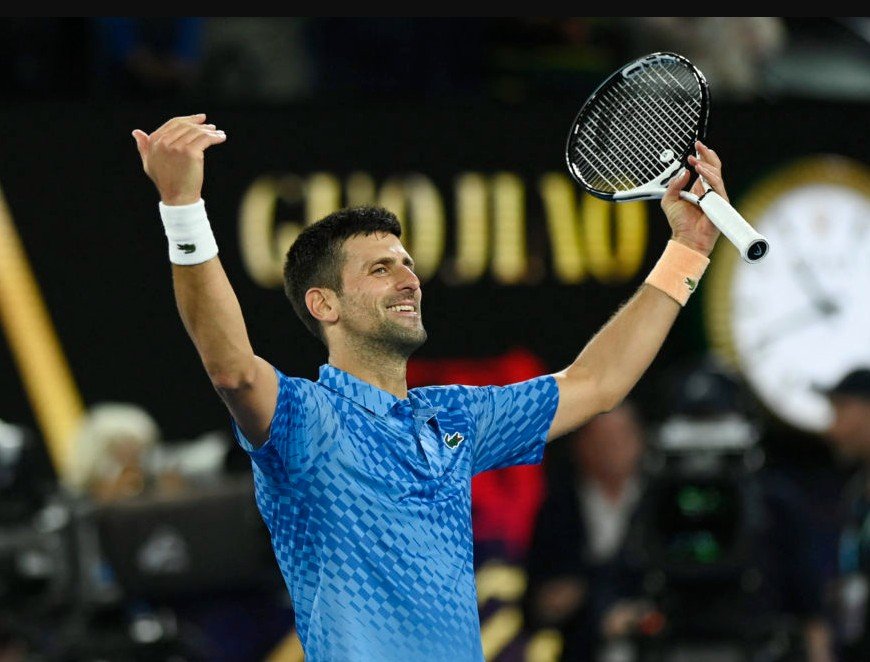
He explained in past statements that he wanted other players to lead such efforts. This move might reflect his desire to focus on his career and family as he nears retirement.
Public reactions vary, with some fans praising his honesty and others questioning the timing. Djokovic, now 38, remains a dominant force in tennis despite the off-court drama.
Impact on Tennis and Players
This exit could weaken the PTPA’s influence, as Djokovic brought star power and credibility. Without him, the group may struggle to attract new members or push for changes.
Players like Pospisil, who retired recently, have been vocal supporters. The organization continues to advocate for transparency in areas like anti-doping rules and tournament scheduling.
Tennis experts note that unions in sports often face growing pains. For instance, similar splits happened in basketball and football before they stabilized.
The lawsuit against the tours and Grand Slams is ongoing. It seeks damages and reforms to end what the PTPA calls systemic abuse.
Lower-ranked players stand to lose the most if the group falters. They rely on such advocacy for better financial support and career opportunities.
Here are key goals the PTPA still pursues:
- Fairer distribution of prize money across all levels.
- Stronger protections against injuries and over-scheduling.
- Independent representation free from tour influence.
- Reforms to anti-doping processes for consistency.
Broader Context in Tennis Governance
Tennis has seen rising calls for change in recent years. Issues like mental health support gained traction after stars like Naomi Osaka spoke out.
The sport’s calendar has expanded, leading to fatigue complaints. Premium events in places like Saudi Arabia have sparked debates over ethics and player welfare.
Djokovic’s history includes clashes with authorities, such as his 2022 Australian Open visa saga over vaccination rules. That event highlighted tensions between players and officials.
Other players’ associations exist, but the PTPA aimed to be truly independent. Its model drew inspiration from successful unions in team sports.
A table of major tennis governance bodies and their roles:
| Body | Role | Key Challenges |
|---|---|---|
| ATP | Manages men’s tour | Prize money disputes |
| WTA | Oversees women’s events | Gender pay gaps |
| ITF | Handles international play | Anti-doping inconsistencies |
| Grand Slams | Runs major tournaments | Player welfare concerns |
This structure shows why groups like the PTPA emerged to fill gaps.
Industry watchers predict more shake-ups as tennis grows globally. Streaming deals and new markets could reshape power dynamics.
What This Means for Djokovic’s Future
Djokovic plans to refocus on his game and personal life. He enters the 2026 season as a favorite, chasing more records.
His departure might ease tensions with the ATP, where he once served on the player council. Past conflicts there led to the PTPA’s creation.
Fans speculate this signals a shift toward legacy-building off the court. Djokovic has ventures in wellness and philanthropy.
As tennis evolves, his influence remains strong. This move underscores the challenges of leading reform in a solo sport.
What do you think about Djokovic’s decision? Share your thoughts in the comments and pass this article along to fellow tennis fans for more discussion.