Scientists have uncovered how axolotls and planarian flatworms regenerate lost body parts through body-wide signals, not just local cells. This breakthrough, detailed in fresh 2025 studies, shows the entire body coordinates healing, offering clues for human medicine.
New research from labs around the world reveals that regeneration in these animals involves complex signals across the whole organism. Published in journals and shared at conferences this year, these findings challenge old ideas and point to potential therapies for injuries in people.
The Amazing Power of Regeneration
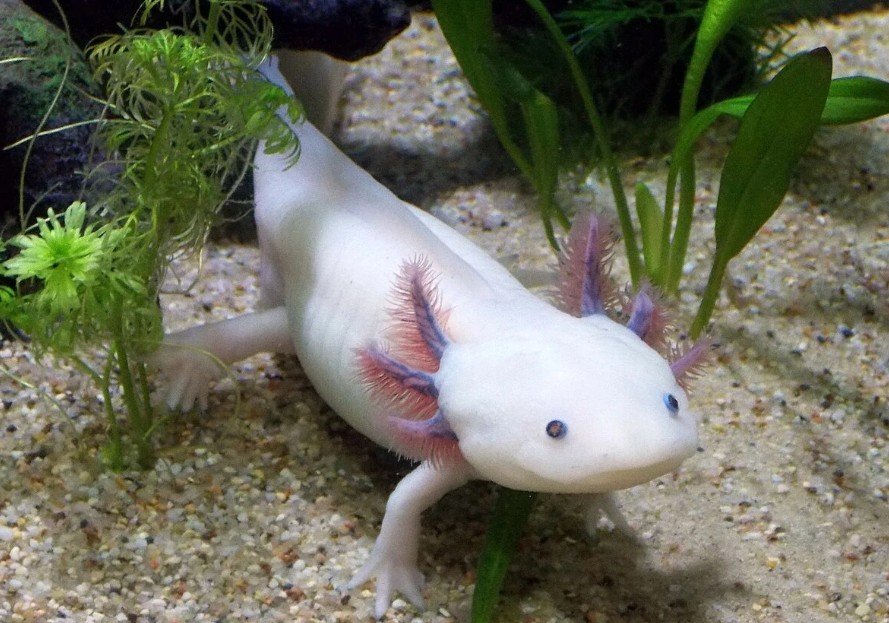
Axolotls, those quirky salamanders from Mexico, can regrow limbs, hearts, and even brain parts. Planarian flatworms take it further by rebuilding from tiny fragments into full animals. For years, experts thought this magic happened only at the injury site.
But 2025 studies show it is a team effort. Cells far from the wound send messages to guide growth. This body-wide dance ensures new tissues form correctly.
Recent experiments tracked these signals in real time. Researchers cut flatworms and watched stem cells respond to cues from distant parts. In axolotls, similar patterns emerged during limb regrowth.
This shift in understanding comes from advanced imaging and genetic tools. Teams in the US and Europe led the work, building on decades of observations.
Key Discoveries in 2025 Research
Fresh papers highlight how stem cells in these creatures ignore local rules and follow global instructions. A study from October 2025 found planarian stem cells, called neoblasts, react to signals from the whole body.
In axolotls, adrenaline plays a big role in kickstarting regrowth, according to a November report. This hormone helps cells multiply and form new structures.
Scientists also learned that muscle cells in flatworms provide position cues. They act like a map, telling stem cells where to build what.
These insights stem from live collections of over 40 flatworm species. Researchers mapped how regeneration evolved, noting some species lost the ability over time.
One team used genetic tricks to block signals and saw regeneration fail. Restoring them fixed it, proving the body-wide system’s importance.
How Axolotls Regenerate Limbs
Axolotls start with a blastema, a clump of cells at the stump. But new data shows the whole body fuels this process.
Signals from the nervous system and hormones guide the blastema. If a tail is grafted where a limb was, it turns into an arm, showing smart adaptation.
2025 research pinpointed bioelectric signals as key directors. These electrical cues tell cells when to stop growing.
Experts tested this by altering signals in lab axolotls. The results matched natural regrowth, confirming the theory.
- Axolotls regrow limbs in weeks, faster than most animals.
- They resist cancer better, linking regeneration to health.
- Critically endangered in the wild, with only 50 to 1,000 left in Mexico City canals.
This ability makes axolotls stars in labs worldwide.
Axolotls can even regrow parts of their thymus, a immune organ, as shown in a December 2025 study. This opens doors for immune system research.
Planarian Flatworms and Stem Cell Wonders
Planarian flatworms regrow from bits as small as one two-hundredth of their body. Their neoblasts drive this, turning into any cell type needed.
Unlike other animals, planarians lack stem cell niches. Instead, neoblasts listen to long-distance signals, a 2025 discovery that flipped old theories.
Muscle cells in their body wall send position info, helping rebuild heads or tails correctly.
A bizarre Mediterranean flatworm species shows stem cells work without niches, per an October study.
| Feature | Axolotls | Planarian Flatworms |
|---|---|---|
| Regeneration Speed | Weeks for limbs | Days for full body |
| Key Cells | Blastema cells | Neoblasts |
| Body-Wide Signals | Hormones like adrenaline | Metabolic support cells |
| Unique Trait | Regrow brain parts | Regrow from tiny fragments |
| Research Focus 2025 | Bioelectric cues | Signal evolution |
This table compares their powers, based on current studies.
Flatworms evolve regeneration abilities differently across species. Some freshwater types lost robust regrowth, linked to Wnt pathway changes.
What This Means for Human Health
These findings spark hope for regenerative medicine. Humans heal wounds but cannot regrow limbs like these animals.
By studying body-wide signals, scientists aim to boost human stem cells. This could help with spinal injuries or organ damage.
2025 trials already test similar ideas in mice, using axolotl-inspired methods. Early results show better healing.
Challenges remain, like controlling growth to avoid tumors. But experts see progress toward therapies.
Emotional stories from researchers highlight the wonder. One biologist called it nature’s blueprint for renewal.
Future Directions in Regeneration Studies
More work focuses on metabolism’s role. A December 2025 paper showed support cells fuel stem cells in flatworms.
Labs plan to map full signal networks using AI. This could reveal why some animals regenerate better.
Conservation ties in, as axolotls face extinction. Protecting them aids research.
Global teams collaborate, sharing data at 2025 conferences. Expect more breakthroughs soon.
Share your thoughts on this fascinating science in the comments below. If it sparked your interest, pass the article along to friends who love biology or medical news.