SpaceXAI released Grok Imagine Image 2.0 on August 7 as the new Quality Mode, adding region-level editing tools and ready-made templates while claiming the number-two spot on both major Arena image leaderboards behind OpenAI. The model is live now on grok.com/imagine and the iOS and Android apps. API access for the new version is listed as coming soon.
The timing pairs a clear commercial push with unfinished legal fights over the same image stack.
What Arrived in Quality Mode
Image 2.0 treats editing as a core capability rather than an add-on. Official materials stress that the first generation is rarely the finished asset, so the tools focus on changing only the intended region.
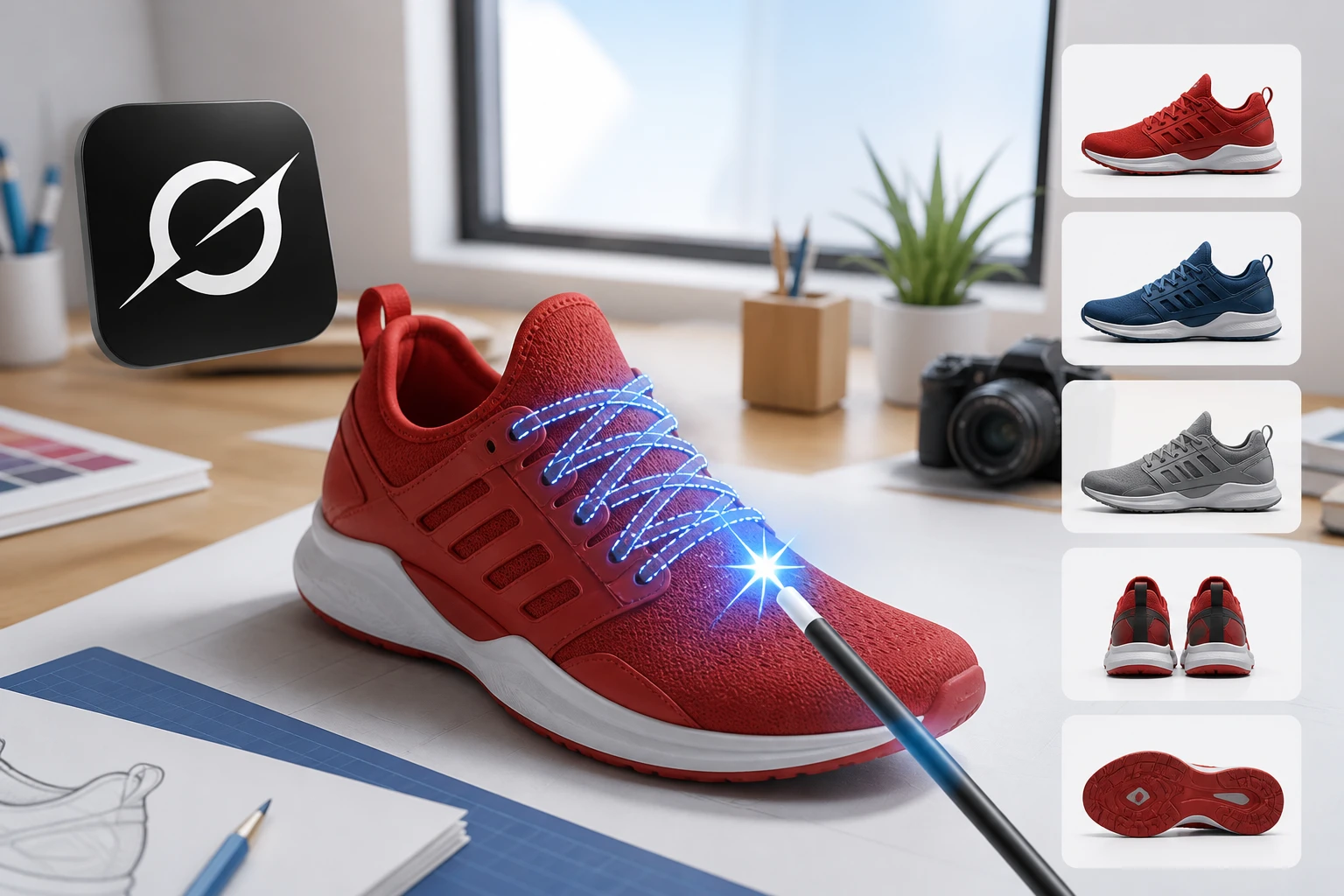
The update ships with a magic wand that alters the area a user points at while leaving everything else untouched, segmentation for exact area selection, one-click background removal that exports subjects with transparency, multi-reference editing that accepts up to five input images in one pass, and smart resize that recomposes a single image across nine aspect ratios from 1:2 to 2:1 while the model fills the new frame. The company says it trained the model for fidelity across photography, design and illustration, with special attention to typography and layout so dense visuals stay coherent and small text stays sharp.
These precise editing tools and templates package common jobs such as product shots, headshots, e-commerce listings, game assets and marketing posters into ready starting points. Users supply the inputs and receive a finished result configured for that task.
That package shifts the product from single-shot generation toward a short production loop. A user can lock a subject, swap a background, reframe for a new ratio, and keep typography legible without leaving the same session. The training focus on layout and small text is meant to keep those intermediate steps usable for print and screen work rather than just social previews.
The Arena Numbers in Black and White
xAI cites public Arena standings as of August 7 for its number-two claims. The figures are preliminary for the new model and carry wide confidence intervals because vote counts remain low compared with longer-running entries.
| Leaderboard | Rank | Model | Elo Score | Votes |
|---|---|---|---|---|
| Text-to-Image | 1 | gpt-image-2 (medium) OpenAI | 1380 ±5 | 69,194 |
| Text-to-Image | 2 | grok-imagine-image-2.0 (low) SpaceXAI | 1320 ±12 | 2,722 |
| Image Edit | 1 | gpt-image-2 (medium) OpenAI | 1463 ±4 | 184,189 |
| Image Edit | 2 | grok-imagine-image-2.0 (low) SpaceXAI | 1439 ±8 | 5,931 |
The text-to-image Arena overall rankings place the new Grok entry 60 points behind the OpenAI leader. On the Image Edit Arena single-image scores the gap shrinks to 24 points. Earlier Grok quality variants sat further down both boards, in the mid-teens or lower. Google Gemini image entries and several other proprietary models cluster nearby. The company notes its models appear under the SpaceXAI name on the public boards.
| Board | Elo Gap to Leader | Vote Ratio (Leader : Grok) |
|---|---|---|
| Text-to-Image | 60 points | 69,194 : 2,722 |
| Image Edit | 24 points | 184,189 : 5,931 |
The narrower edit gap matches the product’s stated focus on region tools. The wider text-to-image gap and thinner vote base leave the ranking claim more exposed once more ballots land.
How the Editing Stack Works
Real creative work is iterative. Image 2.0’s tools exist to support that loop without forcing full regenerations or external compositing software for every change.
- Magic wand, edits only the pointed region and leaves the rest of the frame untouched.
- Segmentation, selects precise areas for separate color, replacement or adjustment.
- Background removal, exports any subject on a transparent background ready for other software.
- Multi-reference, accepts up to five input images in a single generation so subjects, styles and scenes can combine without manual layers.
- Smart resize, picks any of nine common ratios and the model recomposes and fills the new frame.
On the consumer side the five-reference limit exceeds the three-image cap listed in the existing developer docs. Those docs still describe the prior quality model. The new version’s API endpoint remains unscheduled.
Real work is iterative. The first generation is rarely the final asset, so Image 2.0 adds tools for changing exactly what you mean and nothing else.
That line appears in the official announcement and captures the product framing.
Together the five controls reduce the need to bounce between a generator and a separate editor for routine fixes. A product shot can lose its background, pick up a new colorway from a reference, and stretch to a tall social ratio inside one flow. That is the mechanism the commercial templates then productize.
Templates Turn Common Jobs into Starting Points
Beyond freeform tools, Image 2.0 ships a set of preconfigured workflows. Each template covers one concrete task with the pipeline already set: photo edit, product color change, editorial product poster, reimagine, photo collage, mascot maker, background removal and change, e-commerce photos, UGC photos, professional headshot, icon maker, character sprite, props and UI kit, emoji creator, and merch maker.
The design goal is obvious. A marketer or small studio can drop in source assets and receive output shaped for listings, social, packaging or game UI without rebuilding prompts from scratch. Early user posts on X describe the combination of region tools and templates as feeling like a production environment rather than a one-shot generator, especially for client product shots and iterative design passes.
Key availability facts
- Live now as Quality Mode on grok.com/imagine plus iOS and Android apps.
- Speed Mode still runs the previous model for users who prefer it.
- API for 2.0 listed as coming soon with no date.
- Prior models remain reachable through the existing API endpoints.
Current current Imagine API pricing and limits list image generation and edits at roughly $0.05 per image (higher for some quality tiers) with up to three reference images and 1K/2K resolution. Enterprise notes include SOC 2 Type II, HIPAA eligibility and GDPR options.
Until the 2.0 endpoint opens, teams that need the five-reference path or the new templates stay on the consumer surface. The older API still covers scripted pipelines at the published per-image rate, but without the Quality Mode feature set.
The Reputation the Release Tries to Rewrite
The feature set and ranking claim arrive against a backdrop of regulatory and legal pressure that has defined public discussion of Grok’s image tools for months. The professional templates and e-commerce focus read as an attempt to shift that conversation toward commercial utility.
- July 2026, xAI sues Minnesota over the state’s first-in-the-nation law banning “nudify” apps and sites that generate non-consensual sexualized imagery, arguing First Amendment grounds while the company says its terms already prohibit such use.
- August 1, 2026, the Minnesota ban takes effect after a federal judge declines to pause it pending the suit.
- Ongoing, class-action suits allege Grok produced nude deepfakes of children and adults from real photos; earlier reporting put the volume of sexualized images generated in one short window at roughly three million.
- August 7, 2026, Image 2.0 ships with its editing-first pitch and Arena claims.
The same generators that now offer crisp product photography and layout-aware posters remain the subject of those cases. India has also pressed the company on obscene content timelines, an earlier regulatory pressure on Grok content that fits the pattern. Image 2.0 does not announce new safety filters or age gates in the public materials. The emphasis stays on fidelity, typography and ready-made commercial jobs.
That split is the release’s central tension. Better region control and multi-reference compositing make legitimate creative work faster. They also make targeted, high-fidelity misuse easier if the underlying guardrails stay porous.
Who Gains Ground in the Creative Stack
OpenAI still holds the top Elo slots on both boards with higher vote volume and tighter confidence intervals. Google’s Gemini image family occupies several nearby spots. xAI’s jump from mid-pack quality variants to a clear number-two provisional position marks the largest single move for its image line.
The practical winners sit outside the labs. Small studios, e-commerce sellers and game asset creators now have a free or low-friction path to region editing, transparent cutouts and multi-image consistency without jumping between separate tools. The templates lower the prompt skill floor for routine jobs. Whether the ranking holds once more votes accumulate will decide how long the “second in the world” claim lasts in marketing copy.
SpaceXAI’s broader product cadence reinforces the pattern. Grok 4.5, framed as the company’s first serious coding and agentic model and trained with Cursor, shipped the week before. Image 2.0 extends the same push into creative production tools. The company is no longer only a chat and reasoning player; it is stacking surface area across code, image and video.
The dual identity remains. A model that can lock identity across five references and render sharp small text for a marketing poster can do the same for material the company is already defending in court. Users who treat Image 2.0 as a production suite will measure it by turnaround time and consistency. Regulators and plaintiffs will measure it by what slips through. Both measurements are now live on the same model.
Why Thin Vote Totals Still Drive Headlines
The August 7 snapshot gives xAI a clean number-two line for press and product pages even while the confidence bands stay wide. Low vote counts on both boards mean the Elo figures can still swing once traffic rises.
Marketing copy can still lean on the provisional rank because the boards are public and dated. Competitors with denser vote histories hold tighter intervals and less room for sudden jumps. That asymmetry favors the newcomer in the short window after launch.
- Text-to-image rests on 2,722 votes against nearly 70,000 for the leader.
- Image edit rests on 5,931 votes against more than 184,000 for the leader.
- Earlier Grok quality entries sat in the mid-teens or lower on the same boards.
The company gains a temporary narrative advantage. Sustained position depends on whether later votes keep the low variant near the current Elo marks or pull it back toward the mid-pack cluster that includes Gemini and other proprietary models.
How Live Apps Outpace the Waiting API
Consumer Quality Mode is already live on the website and both mobile apps. Speed Mode keeps the prior model available for users who want the older behavior. The 2.0 API endpoint has no date, so automated pipelines stay on the documented three-reference path and per-image pricing.
That split shapes who can adopt the new stack first.
- Individual creators and small shops pick up region tools and templates immediately through the free or low-friction app path.
- Teams with scripted workflows wait for the endpoint or rebuild steps by hand inside the consumer surface.
- Enterprise buyers still see SOC 2 Type II, HIPAA eligibility and GDPR options on the existing docs, but those notes describe the prior model surface.
The five-reference consumer limit already exceeds the three-image developer cap. Until the new endpoint ships, that extra capacity and the full template list remain a browser and app advantage rather than an integration feature. The release therefore lands hardest where prompt skill and tool-switching cost matter more than API throughput.
Frequently Asked Questions
What new editing tools does Grok Imagine Image 2.0 include?
It adds a magic wand for region-only changes, segmentation for precise area selection, background removal with transparency export, multi-reference input of up to five images, and smart resize across nine aspect ratios that the model fills automatically.
Where does Image 2.0 rank on public Arena boards?
As of the August 7, 2026 snapshot cited by xAI, the low variant sits second on both text-to-image (1320 Elo) and image-edit (1439 Elo) leaderboards, behind OpenAI’s gpt-image-2 in each case, with preliminary status and far fewer votes than the leader.
Is the Image 2.0 API available yet?
No. Consumer Quality Mode is live on the website and mobile apps; API access for the new model is listed only as coming soon, while prior Imagine models remain on the existing endpoints with their three-reference limit and per-image pricing.
What templates ship with the release?
Ready workflows cover photo editing, product color change, editorial posters, collages, mascots, e-commerce and UGC photos, professional headshots, icons, character sprites, props and UI kits, emojis and merch, each preconfigured so users supply assets and receive task-shaped output.