Azerbaijan publicly rebuked close ally Israel on Monday over its cabinet’s unanimous vote to formally recognize the 1915 Armenian Genocide, calling the move a distortion of historical facts and urging the Israeli government to reconsider its decision. The statement, issued by Azerbaijan’s Foreign Ministry about a day after Sunday’s cabinet vote, escalated a dispute that began as a vote against Turkey and has now become a test of Israel’s energy and arms ties with Baku. Israel depends heavily on Azerbaijani crude and supplies much of Azerbaijan’s advanced weaponry, and the rejection lands inside that relationship.
Foreign Minister Gideon Sa’ar had proposed the resolution that the cabinet approved, putting Israel alongside 32 UN member states, including the United States, Canada, Russia, and Germany, that have already formally recognized the 1915 killings as genocide. Sa’ar put the scope of what the resolution covers at 1.5 million Armenians killed more than 100 years ago in the dying years of the Ottoman Empire. Azerbaijan’s objection cuts harder than Ankara’s because Baku’s commercial ties with Israel are far deeper than its public fights with the Jewish state would suggest. The two countries sit inside a mutual-defense pact, the 2021 Shusha Declaration, that pulls Baku into the diplomatic fallout Israel had tried for years to avoid.
Baku’s Rebuke, in Its Own Words
Azerbaijan’s foreign ministry posted the statement on its official channels on Monday through the Azerbaijani foreign ministry’s statement published Monday, signing off an unusually fast diplomatic escalation a day in the making. It placed the Israeli decision inside scare quotes around “so-called Armenian genocide” and labeled the cabinet vote “a matter of serious concern.” The wording tracks Azerbaijan’s longstanding position on the events of 1915, where Baku echoes Turkey in rejecting the genocide label.
The statement accused Israel of distorting the historical record around 1915 and of reducing a complex issue to a political decision with no sound legal or scholarly basis, language Baku had used in earlier disputes over the killings. It argued that the Israeli vote would not contribute to reconciliation or mutual understanding but would instead deepen existing divisions across the South Caucasus. The wording about undermining efforts to achieve lasting peace and stability in the region matched the language Baku uses on its separate peace track with Armenia, and the statement closed with a direct request for the Israeli government to reconsider.
The distortion of the historical facts surrounding the events of 1915, and the reduction of a complex historical issue to a political decision without a sound legal or scholarly basis, are unacceptable. Such actions do not contribute to reconciliation or mutual understanding. Instead, they deepen existing divisions and undermine efforts to achieve lasting peace and stability in the region. We call on the Israeli government to reconsider this decision.
Azerbaijan’s note landed the day after the cabinet vote, and the language borrowed heavily from Ankara without echoing Turkey’s separate line about Gaza. While Turkey accused Israel of trying to distract from International Criminal Court arrest warrants for Prime Minister Benjamin Netanyahu, Azerbaijan steered clear of that framing, and the contrast underlines what Baku actually wants from this exchange: it does not want to be drawn into the Gaza debate, and it wants the genocide label off the table. The diplomatic register is closer to quiet negotiation than open rupture, more request than threat, and the reference to lasting peace and stability in the region is the same framing Baku has used in its separate peace track with Armenia since 2023.
Azerbaijan’s Stakes in the Recognition Vote
Headlines focused on Turkey’s reaction. The harder pressure on Israel is commercial and strategic, and it is coming from Baku. Azerbaijan supplies much of Israel’s crude oil, with Israeli press describing Tel Aviv as “very reliant” on Azerbaijani energy, and Israel is also one of Baku’s most important arms suppliers, providing the advanced weaponry the Azerbaijani government uses to maintain a regional military edge over Armenia.
Behind those commercial ties sits a treaty commitment that binds Baku to Ankara. Under the 2021 Shusha Declaration, Turkey and Azerbaijan are obligated to support each other in the event of attack by a third party, the closest mutual-defense pact either country has signed in decades. Israel and Turkey both backed Azerbaijan in the 2020 Nagorno-Karabakh War, when Azerbaijan reclaimed large areas from Armenian control, and the Shusha pact was the political deliverable of that war. That shared history helps explain both the speed of Monday’s statement and the unusually direct language.
A regional analysis of Baku’s diplomatic posture quotes Dunya Basol, an academic who specializes in Israeli affairs, calling it “astonishing” that the Israeli cabinet would move ahead without regard for Baku’s sensitivity. His direct phrasing: “It is also astonishing that the Israeli Knesset would ignore Azerbaijan’s sensitivity on this issue and assume that the Azerbaijan-Turkey alliance is an ordinary one,” and the same analysis warned that Baku may now press Israel to block the resolution at the Knesset stage before it becomes formal state policy.
Israel and Turkey were not always this far apart. Their ties collapsed after the October 7, 2023 Hamas attack and the war in Gaza that followed, with Turkish President Recep Tayyip Erdogan comparing Israel’s actions to those of Nazi Germany and all but cutting his country’s once-robust trade ties with Israel. Through that period, Baku positioned itself as a quiet broker between the two governments, hosting talks last year over Syria and Gaza, and Monday’s statement shows that role is harder to play while Jerusalem pushes a decision Baku calls unacceptable, with the broker now speaking against the same vote it had been trying to bridge.
How the Cabinet Reached a Unanimous Vote
The Israeli cabinet’s Sunday vote was unanimous, a degree of agreement Israeli coalition politics rarely produces on a major foreign policy decision, and Foreign Minister Sa’ar formally proposed the resolution late the previous week. The cabinet’s unanimous Sunday vote on recognition framed the decision on X as a question of historical duty, with Sa’ar writing: “It’s never too late to do the right thing,” and adding that Israel “joins 32 countries that have fulfilled a moral duty by recognizing the historical truth, and rejecting attempts to deny it.”
Sa’ar followed up with a second post on the same platform laying out the historical scope, writing that the “horrific genocide, which took place more than 100 years ago and regarding which there is no real dispute over the historical facts, included the murder of 1.5 million people and the destruction of an ancient cultural and historical heritage.” The full record of Sa’ar and Baku statements after the cabinet vote traces the diplomatic exchange that followed, and Sa’ar’s emphasis on the absence of “real dispute” over historical facts is a direct answer to Turkey and Azerbaijan’s “distortion” line. By declaring the facts settled, he aimed to take the dispute off the table for future Israeli governments.
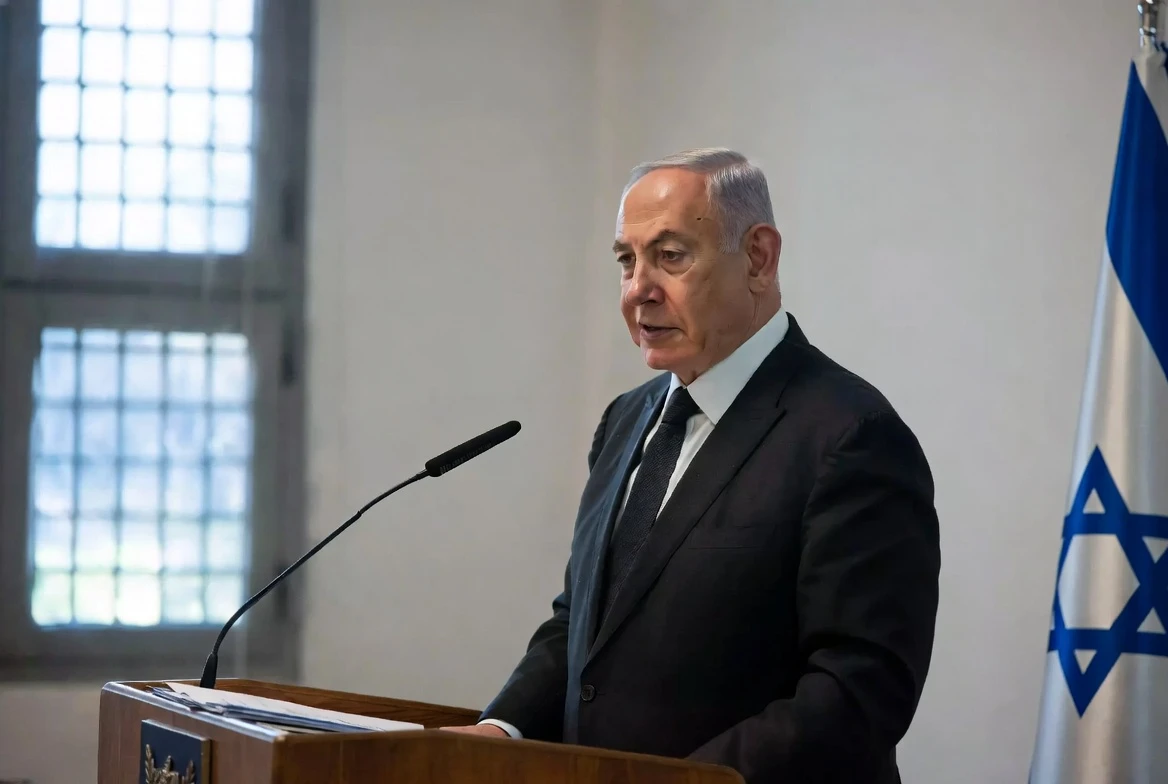
The vote had been publicly telegraphed by Netanyahu in advance. Asked at a press conference on Saturday night whether he supported the bill, Netanyahu, Israel’s longest-serving premier, said: “I certainly support it,” and Netanyahu declined to address whether his government had weighed Turkey’s reaction in advance.
Netanyahu had already publicly recognized the Armenian genocide once before, in August 2025, an unusual statement by a sitting Israeli prime minister that drew Ankara’s accusation of seeking “to exploit past tragedies for political motives.” The first recognition marked a turn, since Israeli governments had historically avoided using the word “genocide” to describe the killings because of diplomatic sensitivities toward Turkey, and those sensitivities collapsed after the October 7, 2023 Hamas attack and the war in Gaza. Sunday’s cabinet vote is the formal version of what Netanyahu said out loud about eight months earlier, and the unanimous margin suggests the new posture has political support across the coalition.
The recognition places Israel among 32 UN member states that have formally recognized the killings as genocide, including the United States, Canada, Russia, and Germany. The Holy See and the European Parliament have also formally recognized the genocide on their own platforms. The 32-state list has been growing for decades, with recognitions spread across Europe, North America, and parts of the post-Soviet space, and the new Israeli entry adds a Middle Eastern democracy to a tally that until now had been dominated by European and North American governments. With Sa’ar’s framing, Israel is positioning itself formally on the side of countries that have applied the genocide term while carving out its own diplomatic position in a region where Turkey and Azerbaijan reject the label.
How events lined up to Sunday’s vote
- August 2025: PM Netanyahu publicly states he recognizes the Armenian genocide for the first time, drawing Ankara’s accusation of “exploiting past tragedies for political motives.”
- The week before the vote: FM Sa’ar formally proposes the recognition resolution to the Israeli cabinet.
- Saturday night, June 27, 2026: At a press conference, Netanyahu says: “I certainly support it.”
- Sunday, June 28, 2026: The Israeli cabinet votes unanimously to recognize the 1915 killings as genocide.
- Monday, June 29, 2026: Azerbaijan’s Foreign Ministry publishes its statement of “serious concern.”
From the Cabinet to the Knesset
Sunday’s cabinet decision is a cabinet position, not yet state policy, and the resolution still needs to pass the Knesset before it becomes Israel’s formal diplomatic stance. Monday’s statement from Baku and the warning from the analyst Basol suggest Azerbaijan may now lobby Jerusalem behind the scenes to slow or dilute the bill before its Knesset passage, and that lobbying could happen through quiet channels, given that energy and arms deals between the two countries already flow through formal and informal relationships.
Turkey issued a parallel rejection Sunday, branding Israel’s recognition “political” and accusing Jerusalem of using the vote to distract from International Criminal Court arrest warrants for Netanyahu and the genocide proceedings Israel faces at the International Court of Justice. Turkey has long denied the genocide label, and Israeli governments had historically avoided using the word because of diplomatic sensitivities toward Ankara. Those sensitivities collapsed after the October 7, 2023 Hamas attack and the war in Gaza that followed, and the Erdogan government has accused Israel of “seeking to exploit past tragedies for political motives” since Netanyahu’s August 2025 statement, a line Ankara picked up in the hours after Sunday’s cabinet vote. Azerbaijan’s more recent role as quiet broker between Turkey and Israel, including hosting talks last year over Syria and Gaza, now sits inside that open disagreement.
The clearest parallel between the two rejection statements is the demand to reconsider. Both Turkey and Azerbaijan used diplomatic language urging Israel to soften or reverse its decision, framing the vote as a political act rather than a moral one. The complication for Israel is that Azerbaijan holds a different kind of influence from Turkey: the bilateral energy and arms flows run through Baku rather than Ankara, and the Shusha pact pulls Baku into Turkey’s diplomatic posture without giving Israel a comparable counterweight. The bill still needs to pass the Knesset, and one Israeli affairs academic told regional press that Baku may now weigh in directly with Israeli negotiators before that vote.
Where the three governments now stand
| Country | Position on the 1915 killings | Most recent action |
|---|---|---|
| Israel | Recognized as genocide | Cabinet vote on Sunday, June 28, 2026 |
| Azerbaijan | Rejects genocide label; calls the Israeli recognition “a distortion of historical facts” | Foreign Ministry statement on Monday, June 29, 2026 |
| Turkey | Denies the genocide label; calls the Israeli vote “political” | Foreign Ministry statement on Sunday, June 28, 2026 |
Frequently Asked Questions
What did Azerbaijan’s foreign ministry say about Israel’s Armenian Genocide vote?
Azerbaijan’s foreign ministry labeled the cabinet’s decision a “matter of serious concern” and called it a “distortion of the historical facts” of 1915 and “a political decision without a sound legal or scholarly basis.” It said Israel should reconsider, arguing the move “deepen[s] existing divisions and undermines efforts to achieve lasting peace and stability in the region.” The full statement was published Monday on the ministry’s official channels.
How many countries recognize the Armenian Genocide?
As of June 2026, 32 UN member states have formally recognized the 1915 killings as genocide, including the United States, Canada, Russia, and Germany. The Holy See and the European Parliament have also formally recognized it on their own platforms.
Why did Israel recognize the genocide now?
Israeli leaders tied the timing to the collapse in Israel’s relations with Turkey following the October 7, 2023 Hamas attack and the Gaza war that followed. PM Netanyahu first said publicly that he recognized the genocide in August 2025, and Foreign Minister Sa’ar put the cabinet resolution to a vote that the cabinet approved unanimously on Sunday, June 28, 2026.
What happens after the cabinet vote?
The resolution still needs to pass the Knesset, Israel’s parliament, to become the country’s official position. As one Israeli affairs academic warned in MEE, Baku may now press Jerusalem to slow or block the bill before the Knesset vote.
What did Turkey say about Israel’s vote?
Turkey, which has long denied the genocide label, called the Israeli decision “political” and accused Israel of trying to distract public attention from International Criminal Court arrest warrants for Prime Minister Netanyahu and the genocide proceedings Israel faces at the International Court of Justice.