As Atlanta prepares to welcome hundreds of thousands of visitors for the 2026 FIFA World Cup, a new push is underway to tackle a hidden but serious risk. Georgia officials and business leaders are relaunching a statewide effort to combat human trafficking, warning that global events can intensify existing dangers.
The move signals growing concern that the excitement of the World Cup could also create opportunities for exploitation, unless communities act early.
State Relaunches Anti Trafficking Program Before Global Event
Georgia Secretary of State Brad Raffensperger has announced the relaunch of the Georgia Businesses Against Trafficking program ahead of the World Cup in Atlanta.
The initiative, first launched in 2025, focuses on training businesses to recognize and respond to signs of human trafficking. It brings together companies, nonprofits, and community groups to build awareness at the local level.
Officials say the timing is critical as Atlanta prepares to host eight matches starting June 2026, with hundreds of thousands of visitors expected.
Key goals of the program include:
- Training employees to identify warning signs
- Providing clear steps on how to report suspicious activity
- Creating safe spaces for potential victims
The effort reflects a broader strategy to ensure that large scale events remain safe for both visitors and residents.
Why World Cup Raises Trafficking Concerns
Experts stress that major sporting events do not directly cause trafficking. But they can increase risks due to large crowds, tourism spikes, and high demand in hospitality sectors.
Heather Lively of Wellspring Living explained that these events can intensify existing vulnerabilities rather than create new ones.
Atlanta already faces ongoing challenges in this area. Data from recent reports shows:
- More than 650 trafficking related reports were recorded in Georgia in a single year
- Nationwide, over 1 million people are estimated to be victims of trafficking
The city’s status as a major travel and business hub also plays a role. With an expected 300,000 to 500,000 visitors during the World Cup, the pressure on systems increases significantly.
A recent citywide initiative aims to train over 5,000 people before the tournament, showing how seriously local organizations are taking the issue.
How Businesses Are Being Trained to Spot Signs
One of the most unique aspects of the program is its focus on everyday workplaces.
Participating businesses will receive:
- Specialized training sessions on trafficking indicators
- Educational materials for staff and customers
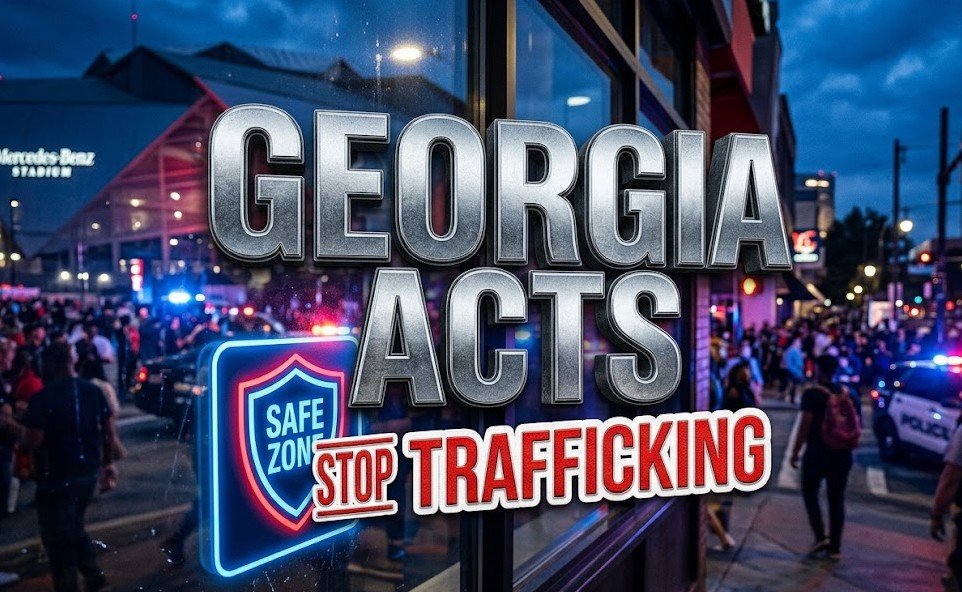
- Window signs showing the location is a trained safe space
These signs are designed to signal to victims that help may be available inside.
Common warning signs employees are trained to look for include:
- Individuals who appear controlled or fearful
- Lack of personal identification
- Signs of physical abuse or poor living conditions
- Unusual work arrangements or restricted movement
The program also encourages workers in hotels, transport, retail, and food services to stay alert, as these sectors often interact with large numbers of people.
Community Training Expands Beyond Businesses
The initiative is not limited to companies alone. Officials have announced a large scale public training event scheduled for May, open to anyone in the community.
This half day session will focus on practical steps people can take if they suspect trafficking.
Parallel efforts are already underway across Atlanta:
- Faith groups and nonprofits are hosting local training sessions
- Community leaders are working with law enforcement agencies
- Corporate partners are supporting awareness campaigns
These programs aim to build a network where ordinary citizens play a key role in prevention and early detection.
A Broader Push to Keep Atlanta Safe and Ready
The anti trafficking campaign is part of a wider preparation plan for the World Cup.
City officials are also focusing on:
- Transportation upgrades and crowd management
- Small business readiness programs
- Public safety coordination across agencies
Atlanta is positioning itself not just as a host city, but as a safe and welcoming destination.
At the same time, leaders emphasize that safety goes beyond visible measures.
“Education is one of the most powerful tools we have,” advocates say, highlighting that awareness can save lives.
The success of the program will depend on how well businesses, workers, and residents stay alert during the busy weeks of the tournament.
As the countdown to the World Cup continues, Georgia’s message is clear. Big events bring big opportunities, but also serious responsibilities. The hope is that with preparation and vigilance, the state can protect its most vulnerable while welcoming the world.
What do you think about this initiative? Should more countries adopt similar programs during global events? Share your thoughts and join the conversation.