Georgia, the charming country nestled between Europe and Asia, draws millions of visitors each year with its stunning mountains, historic cities, and rich wine culture. But as travel picks up in 2026 with new mandatory health insurance rules for all tourists, many spots have turned into overcrowded and pricey traps that can spoil your trip.
Travel experts and recent visitor reports highlight how these popular sites often promise more than they deliver, leading to frustration amid rising costs and crowds. With global tourism rebounding, knowing what to skip can help you focus on authentic experiences that make Georgia truly special.
Why Tourist Traps Are on the Rise in Georgia
Tourism in Georgia has boomed over the past few years, with visitor numbers climbing to over 7 million in 2025, according to official estimates. This surge comes from easier visa rules and social media hype showing off places like ancient fortresses and Black Sea shores.
Yet this popularity has a downside. Many sites now charge inflated prices for average experiences, especially in peak seasons like summer and winter holidays. Travelers often complain about long lines, pushy vendors, and a loss of that genuine local feel.
Recent safety advisories from governments like Australia and the UK stress caution in crowded areas due to petty theft risks. Plus, starting January 2026, all visitors must have health and accident insurance, adding a layer of planning that makes avoiding traps even smarter.
Experts suggest budgeting wisely, as average daily costs for food and activities have risen by 15 percent since 2024. By steering clear of hype, you can save money and discover hidden gems that showcase Georgia’s real warmth.
Overcrowded Tbilisi Old Town and Better City Alternatives
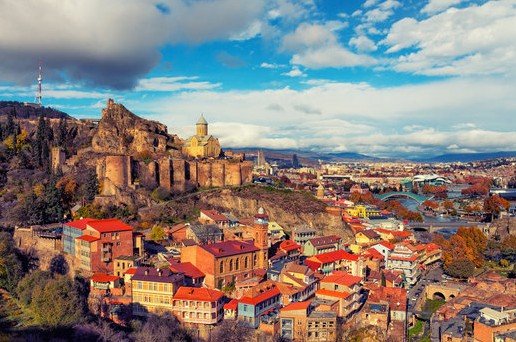
Tbilisi’s Old Town charms with its colorful balconies and cobblestone paths, but it has become a magnet for tour groups, causing constant bustle. Visitors report feeling overwhelmed by souvenir shops and cafes that jack up prices for basic items like coffee or khachapuri bread.
During summer months, the heat and crowds make it hard to appreciate the architecture. Recent posts from travelers describe it as more of a photo op than a relaxing spot.
Instead, wander into Sololaki district for quiet streets lined with art nouveau buildings and local eateries. Or try Avlabari, home to the Holy Trinity Cathedral and views over the Kura River without the hassle.
These areas offer a taste of everyday life, with affordable street food and fewer tourists. One tip is to visit early morning or late evening when the light hits just right for photos.
Batumi Beaches Packed with Tourists: Seek Quiet Shores
Batumi’s Black Sea beaches draw crowds for their pebble shores and lively boardwalk, but peak season turns them into chaotic spots filled with umbrellas and vendors. Water quality can dip due to overuse, and entry fees for loungers add up quickly.
Reports from 2025 show complaints about litter and noise, especially in July and August when families flock here. The area’s rapid development has led to high hotel rates, sometimes double those in nearby towns.
For a calmer escape, head to Ureki with its magnetic black sand beaches known for health benefits. Kobuleti offers similar vibes with pine forests and fewer people, perfect for a peaceful swim.
These alternatives provide clean waters and budget stays. Travelers recommend packing your own snacks to avoid overpriced beachside stands.
Here is a quick comparison of beach options:
| Spot | Crowd Level | Average Cost per Day | Unique Feature |
|---|---|---|---|
| Batumi Beaches | High | $50+ | Lively boardwalk |
| Ureki | Low | $20-30 | Magnetic sand |
| Kobuleti | Medium | $25-40 | Pine forests |
This table shows how skipping Batumi can cut costs while boosting relaxation.
Kazbegi Peak Season Crowds: Opt for Off-Peak or Other Mountains
Kazbegi, with its dramatic Mount Kazbek views and Gergeti Trinity Church, gets swamped in summer, leading to traffic jams on the Georgian Military Highway. Hikers face packed trails, and accommodation books out months ahead.
Visitor feedback from late 2025 notes how the once-serene area now feels commercialized, with guided tours pushing expensive add-ons like horse rides. Weather can turn quickly, adding risks in busy times.
Visit during shoulder seasons like spring or fall for fewer people and blooming landscapes. Or explore Svaneti’s tower villages and glaciers, which offer rugged beauty with better access to local homestays.
Racha region provides alpine meadows and lakes without the hype. These spots let you hike in peace and connect with welcoming communities.
Kakheti Wine Tours That Cost Too Much: Find Authentic Vintages
Kakheti’s vineyards are legendary for Georgia’s ancient winemaking traditions, but big tours often feel scripted and pricey, charging over $100 per person for tastings that skim the surface. Many include large groups and rushed visits.
Recent traveler accounts criticize the focus on quantity over quality, with some wineries prioritizing sales over education. In harvest season, roads clog with buses, dimming the rural charm.
Seek out family-run operations in villages like Sighnaghi for intimate sessions where owners share stories and qvevri methods. These cost less and feel more personal.
Try self-guided bike routes through the vines for flexibility. Pair it with local feasts to experience true hospitality.
Key tips for better wine experiences:
- Look for wineries with organic labels for sustainable options.
- Visit in October for harvest festivals and fresh grape picking.
- Combine with food tours to sample regional cheeses and breads.
- Ask locals for recommendations to avoid commercial spots.
Gudauri Ski Resorts and Budget Winter Choices
Gudauri’s slopes attract skiers with modern lifts and powder snow, but winter prices skyrocket, with lift passes hitting $50 daily and rooms over $200 a night. Crowds lead to long waits and a party atmosphere that not everyone wants.
Data from 2025 ski season shows a 20 percent price hike due to demand from European visitors. Safety concerns arise from inexperienced crowds on advanced runs.
For value, check Bakuriani with family-friendly pistes and lower costs. Goderdzi offers untouched terrain and cheaper rentals.
These resorts provide lessons and gear at half the price, plus cozy guesthouses. Plan for early bookings to secure deals.
Planning a Trap-Free Trip to Georgia in 2026
With Georgia’s new insurance mandate kicking in, pair it with smart itineraries that mix culture, nature, and food. Focus on public transport or rentals to reach offbeat spots, and use apps for real-time crowd updates.
Budget around $60-80 per day by eating local and staying in guesthouses. This approach not only saves money but uncovers the country’s heartfelt side.
Share your own Georgia travel stories in the comments below, or pass this guide to friends planning a visit. Your insights could help others craft unforgettable journeys.